
What is Content Repurposing? Ways to Repurpose Your Content
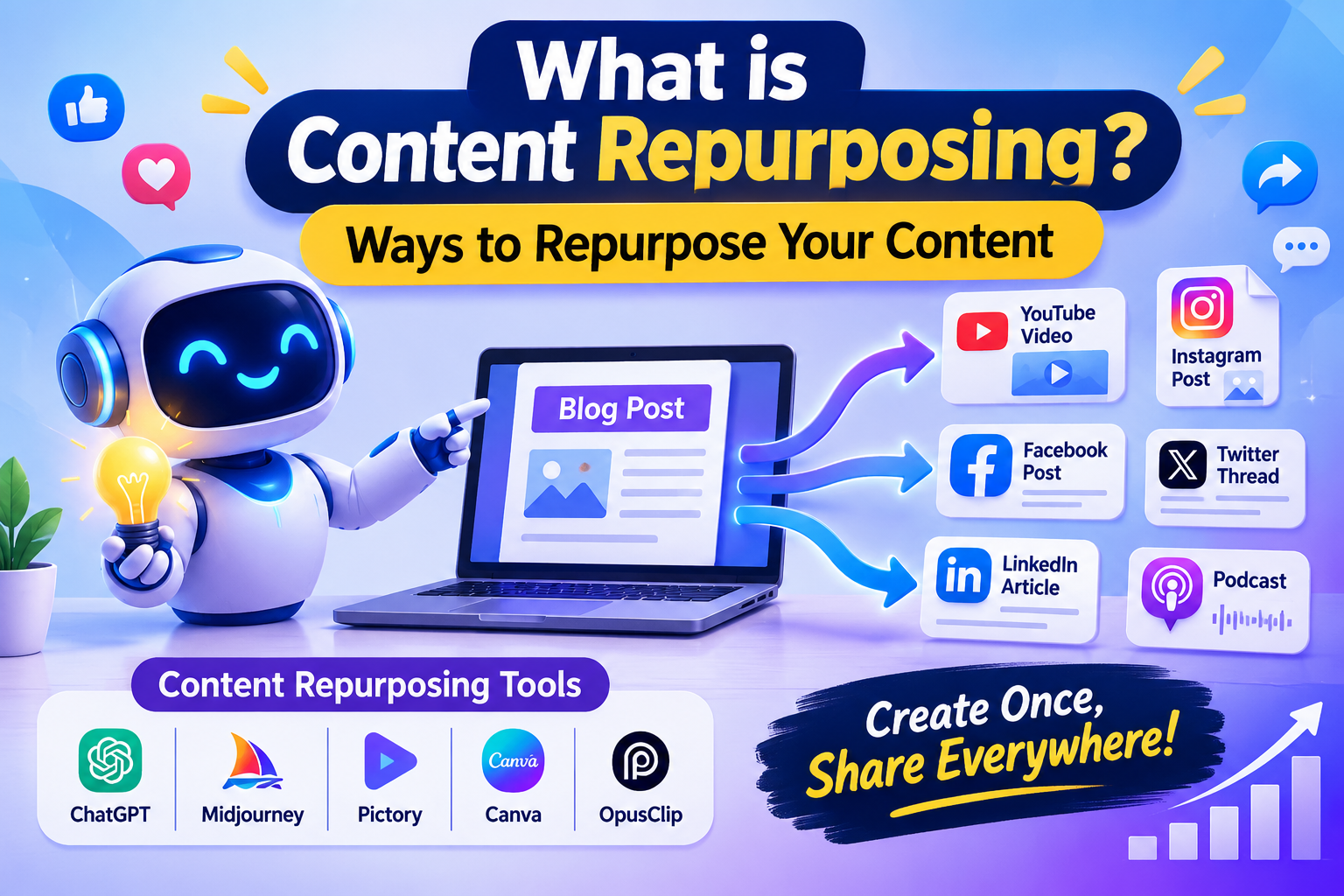
Take a look at the blog section of your website and social media channels, such as Instagram, X, LinkedIn and YouTube. How much content have you published so far and how well is it performing? A detailed report from Google Analytics can give you a clear insight into your website’s content performance and identify content that is worth reusing or repurposing.
That’s what we are going to discuss in this article, content repurposing. It involves modifying the format of the existing published content to create new content. Rather than copying the original, you adapt it to serve different audiences or to promote your business through multiple platforms.
Why Repurpose Content?
Whether you run a small business or manage an enterprise-level brand, content repurposing offers several benefits:
- It saves time and effort of creating every piece of content from scratch.
- It allows brands to continue promoting high-performing content even after it’s published.
- It helps you reach a wider audience through a variety of formats, such as social media posts, videos, interviews, podcasts, blogs and webinars.
- It helps your brand improve its visibility across multiple platforms.
- Repurposed content can attract referral traffic and earn qualified backlinks.
Content Repurposing Checklist
Content repurposing can help you attract a larger audience to your website. However, to get the best results, here’s what you must do:
- Use analytics tools, such as Google Analytics, to identify high-performing content that is worth repurposing.
- Pick evergreen content, such as tutorials and guides, that attract high volumes of traffic over time.
- Analyze which content formats and platforms are most popular among your target audience.
- Before repurposing content for a particular platform, adapt its length, format and presentation to suit that platform.
- Always update the original content before reusing it on other platforms to ensure accuracy.
Effective Ways to Repurpose Your Website Content
Content repurposing is not a big deal unless you learn to do it in an effective way. Below are some popular ways to do so:
Converting Textual Content into Visual Content
If you have plenty of evergreen written content on your website, why not convert it into videos or other forms of visual formats? However, simply revising your blog article into a video script may not be enough to get the audience’s attention. Use this opportunity to add visual elements to your script, such as animation, images and examples to make your script more engaging.

Example: You can convert a blog on AI-powered search engine optimization techniques to an educational video explaining different AI SEO strategies.
Repurposing Videos into Blog Posts
Why not turn your successful videos into blog articles? Start by transcribing the video and noting down the key points. Then, expand on individual points to create a detailed blog post. Include relevant examples, catchy headings and in-depth explanations to make the article more interesting and easy to understand. You can also add the link of your original YouTube video in the post.
Example: Find a high-performing video on your YouTube channel, such as one about Google Analytics trends and convert it into a blog post for your website.
Converting Research into Slide Presentations
Have research papers, reports or whitepapers that you want to share with your audience but worry they might find them difficult to understand? Try extracting the key findings and creating slides with them. Convert statistical data into charts and graphs and use concise text to summarize the major insights.
Example: You can convert a customer engagement survey into a slide presentation by highlighting customer responses and major findings.
Converting Blogs into Infographics
Did you know that presenting complex information through graphics can make it more sharable? Convert your evergreen blog articles into visual illustrations using icons, short text, charts, graphs and other design elements. Infographics work well on social media platforms and can be published as a single post or as part of a carousal.
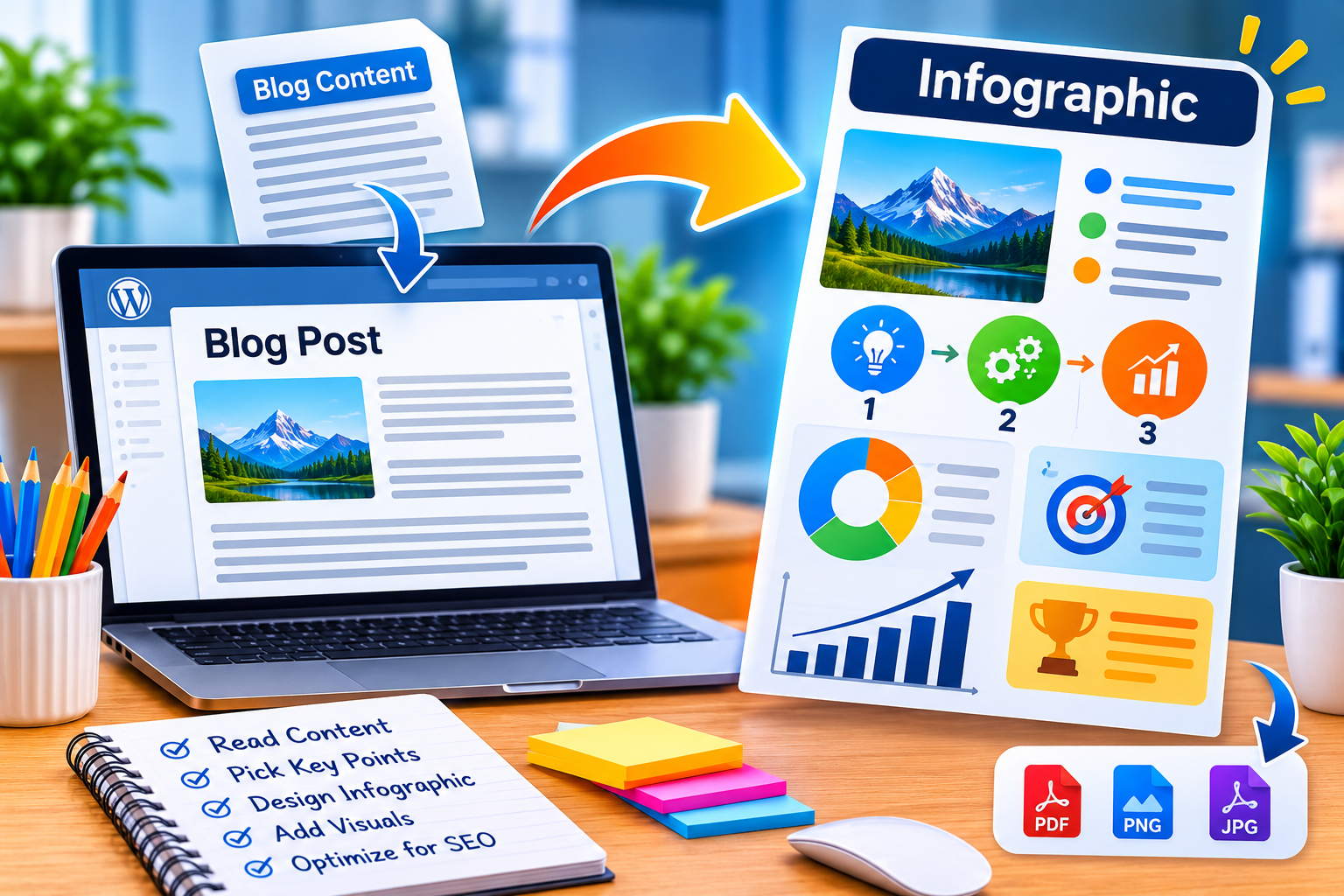
Example: You can convert a blog post about an SEO process into a detailed infographics showing different steps involved in the process with relevant graphics and minimal text.
Converting Long-Form Content into Short Videos
Learn to identify short segments from long-form content, such as interviews, webinars, YouTube videos and podcasts. These formats cover several topics which you can turn into individual Instagram Reels, YouTube Shorts or bite-sized videos for other social media platforms. Such short content is more likely to attract more views from your audience than the original long content.
Example: You can divide an expert interview on SEO keyword research into multiple short clips and publish them as a series on Instagram or X.
Repurposing Existing Content for Guest Posts
If you do guest posting, you can use your existing high-performing articles to generate ideas. Find articles that bring the highest traffic and identify topics from it for new guest posts. Now, instead of copying the original article as it is, explore specific subtopics that are worth expanding and create fresh content using it. Make the guest post more valuable for your readers by including practical examples, original research, expert opinions, etc.
Example: If you find an existing article on Types of SEO, you could create a separate guest post focusing on a specific topic from the original article, such as Local SEO or International SEO.
Republishing Existing Content
Why repurpose your content when you can get more traction on your website by simply republishing it? Pick your most evergreen content, check it for accuracy and updates, if required and it’s ready for republishing. However, instead of republishing it again on the same platform, choose a different one, such as Medium, LinkedIn or X.
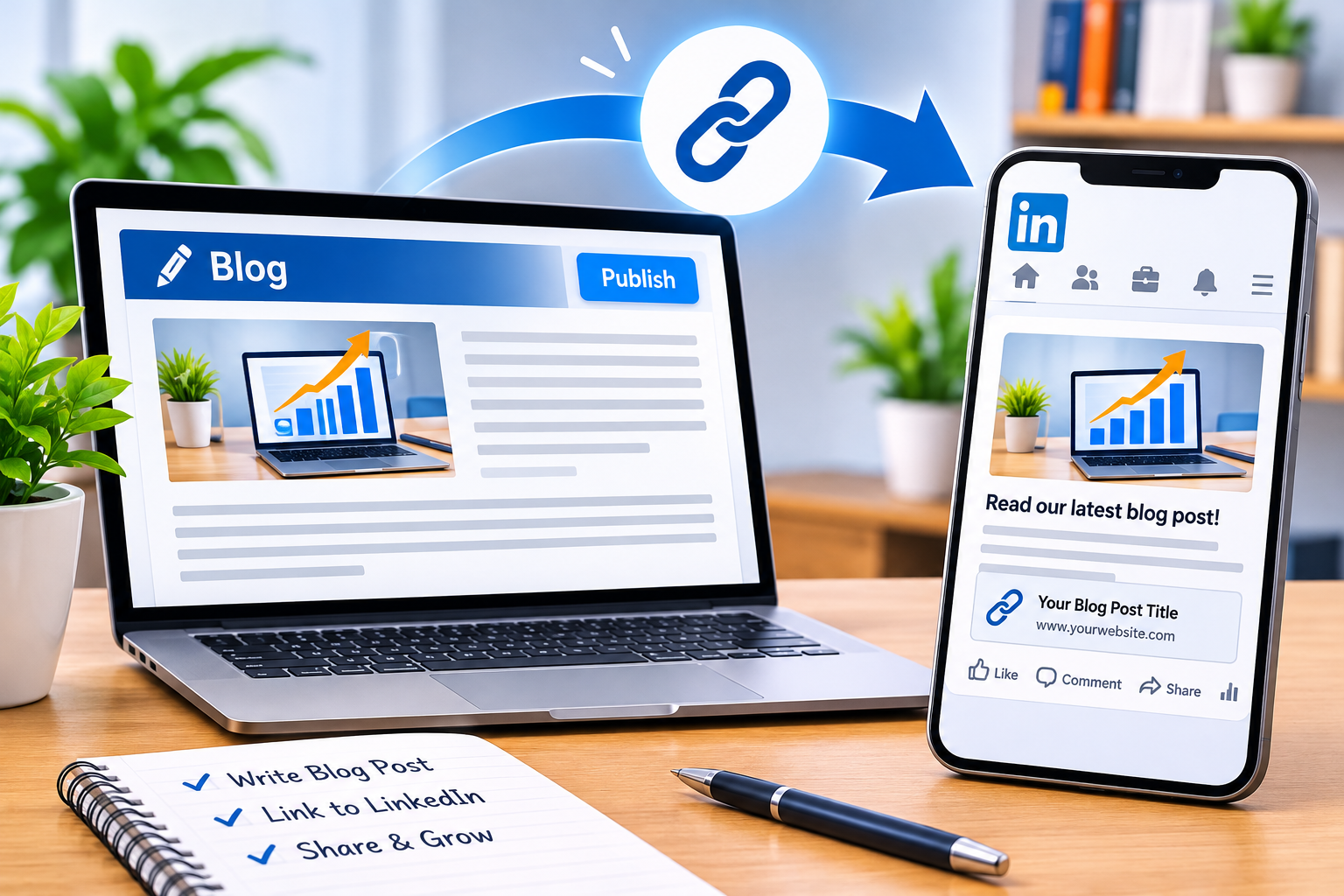
Example: If you have a high-performing blog post on emerging AI technologies on your website, create a fresh LinkedIn post around the same topic, add a fresh introduction and share the link to the original article.
Final Thoughts
Content repurposing is not just about reusing old content on your website. Its main purpose is to gain more visitors on your website or social media channels. The most exciting part is that you can do this in a number of ways, from turning blog posts into videos to converting long videos into small social media clips.
What matters is choosing the right format for each platform and keeping the information relevant and up-to-date. Wondering how to get started with repurposing your content? One Design Marketing Technologies (ODMT) can help you develop a well-planned content repurposing strategy to improve your brand visibility and make your existing content more valuable.