Google Algorithm Updates Explained for Beginners
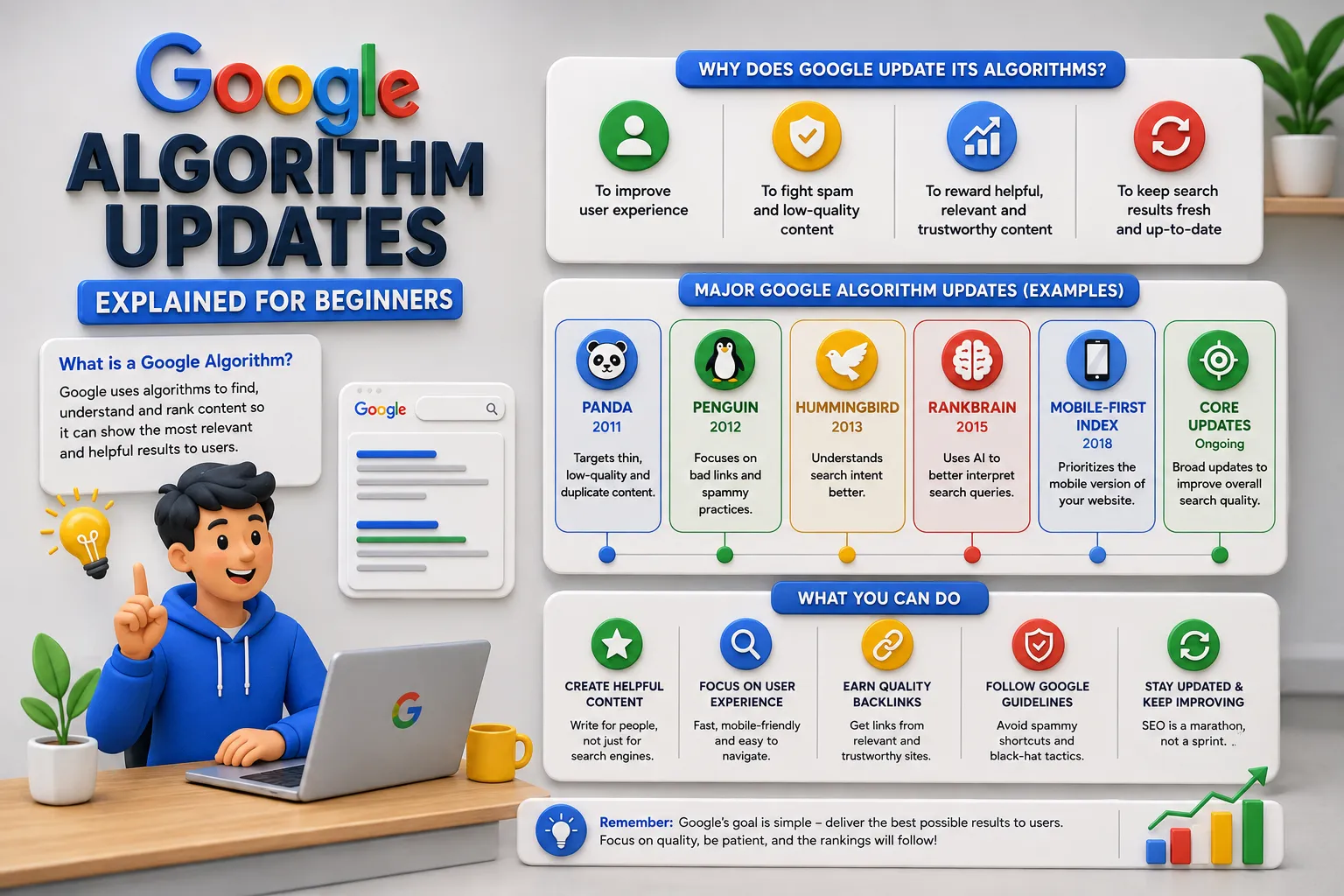
If you’re just starting out with Google algorithm, then you must understand its working process. The first thing to comprehend is that it’s crucial for search engine optimization and the next if you fail to comply with the algorithm updates, your website might face a penalty.
That’s the main reason to stay updated with Google algorithm update, and to keep your brand site safe, you need to adhere to the trends and implement effective SEO strategies. All of these can help a website get its deserved visibility and increased traffic. Businesses who do not adapt to these changes lose their credibility with Google and rank lower in the search results. All you have to do is to monitor and understand each update and only that way you can ensure a solid presence online. Let’s get started.
Understanding Google Algorithm Updates
Google algorithm updates are changes to the complex code that dictates how the search engine ranks sites in its search results. These updates from Google are aimed at improving the accuracy, relevance and quality of search results for users globally. The aim of this is to improve user satisfaction by showing the most valuable and relevant content. Changes to the algorithms take care of things like manipulative behavior, low quality content and keyword stuffing. The aim is to provide website owners with an incentive to create user-friendly, informative and high-quality content and a fairer, more trustworthy search environment.

These updates include three categories. Let’s take a look at them:
Core Updates: Core updates are major updates that make major changes to Google’s search algorithm. They want to improve the overall quality of search results . So they analyze how the content is ranking . The updates to the core can influence the rankings of websites and can lead to big changes in visibility in search.
Major Updates: These are the significant updates to the algorithm aimed at improving search quality in specific areas. They tend to be about fixing issues with user-friendliness, mobile-friendliness and spammy content. These updates are important, but they are not as important as core updates.
Minor Updates: Minor updates are small changes that fine-tune specific problems of the algorithms. These may affect some search results or some specific technical issues. The small updates of Google algorithms don’t have a lot of impact, but they are proof of the work of the search engines on user satisfaction.
Knowing about these updates and staying informed about them helps you make any needed adjustments to your website or adapt your SEO strategy to stay relevant.
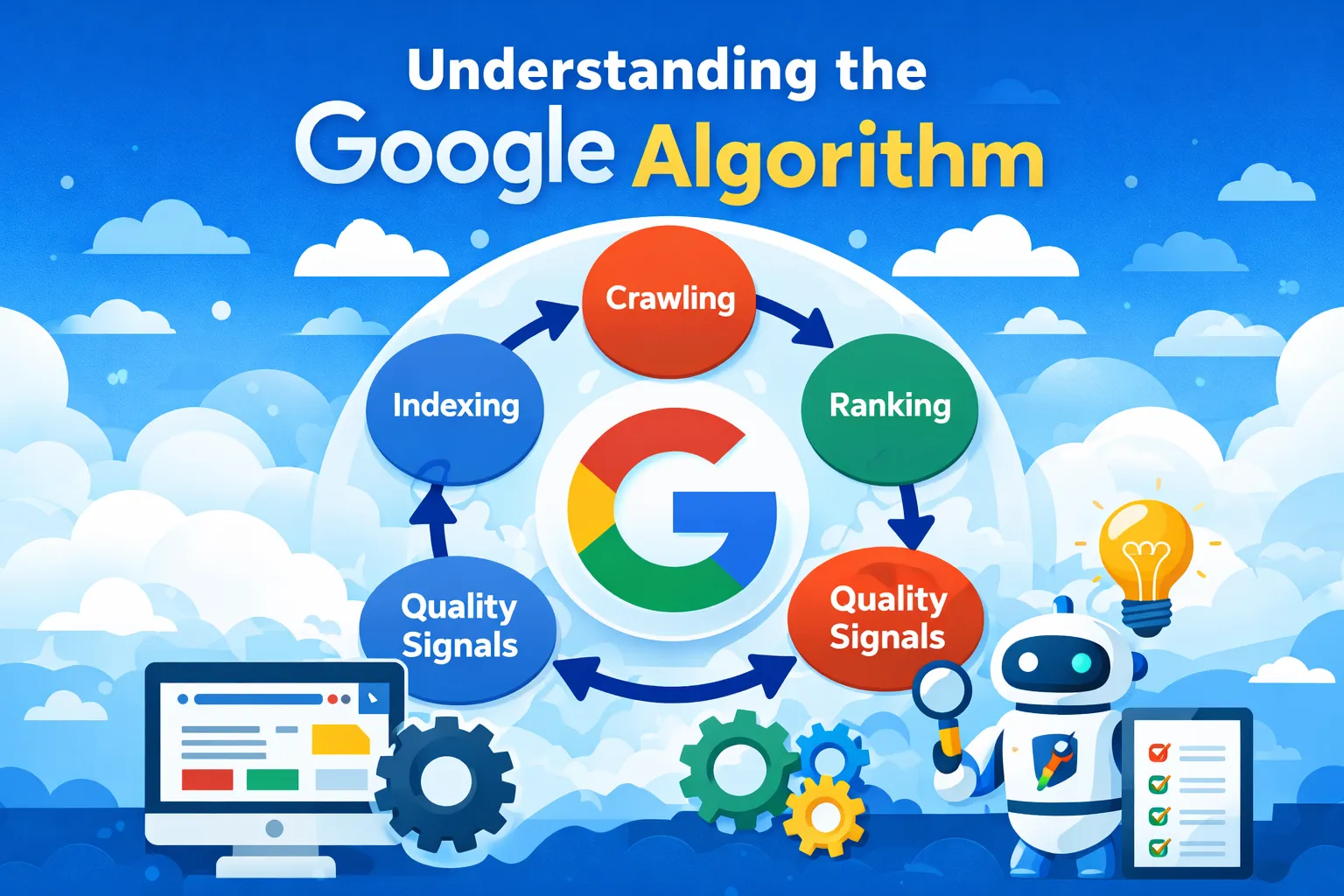
Google Algorithm
The Google Algorithm updates are of various types:
| Year | Update Name | Date | Duration | Reason (Impact) | Recommended Solution |
|---|---|---|---|---|---|
| 2026 | September 2026 spam update | 24 Sep 2026 | Information In-process | Google’s September 2026 Spam Update targets spammy and policy-violating practices globally across all languages, potentially affecting rankings for sites using manipulative or low-quality SEO tactics. The rollout may take up to two weeks. | Audit spam-policy compliance, remove manipulative tactics, improve content quality, and monitor ranking changes during the rollout. |
| 2026 | August 2026 spam update | 18 Aug 2026 | 2 days, 16 hours | Google’s August 2026 Spam Update targets spammy practices globally and may affect rankings for sites using manipulative or low-quality SEO tactics. | Follow Google’s spam policies, remove low-quality or manipulative content, focus on helpful original content and monitor rankings and Search Console during the rollout. |
| 2026 | June 2026 spam update | 24 Jun 2026 | 2 days, 1 hour | Spam content, AI-generated low-quality pages, unnatural backlinks, cloaking, hidden text, and manipulative SEO practices targeted. | Remove spammy backlinks, delete thin or AI-spam content, strengthen EEAT, improve content quality, perform technical SEO audit, and follow Google’s Spam Policies. |
| 2026 | May 2026 Core Update | 5 Feb 2026 | 21 days, 17 hours | Search ranking shifts, user intent changes | Create valuable content, optimize for AI search visibility, improve entity signals & enhance overall website trust |
| 2026 | March 2026 Core Update | 5 Feb 2026 | 21 days, 17 hours | Ranking changes, content quality reassessment | Improve E-E-A-T, refresh content |
| 2026 | March 2026 Spam Update | 24 Mar 2026 | 20 hours | Spam detection, low-quality content & links affected | Remove spam links, improve content quality |
| 2026 | February 2026 Discover Update | 5 Feb 2026 | 21 days, 17 hours | Discover traffic fluctuation, content visibility drop | Improve content freshness, CTR optimization, strong featured images |
| 2025 | December 2025 Core Update | 11 Dec 2025 | 18 days, 2 hours | Ranking volatility, content quality re-evaluation | Enhance EEAT, improve content depth & authority signals |
| 2025 | August 2025 Spam Update | 26 Aug 2025 | 26 days, 15 hours | Spammy backlinks & low-quality pages affected | Disavow toxic links, remove thin/spam content |
| 2025 | June 2025 Core Update | 30 Jun 2025 | 16 days, 18 hours | Search ranking reshuffle | Content quality audit & user intent optimization |
| 2025 | March 2025 Core Update | 13 Mar 2025 | 13 days, 21 hours | Algorithm quality adjustment | Improve helpful content & internal linking |
| 2024 | December 2024 Spam Update | 19 Dec 2024 | 7 days, 2 hours | Spam detection improvements | Remove auto-generated & keyword stuffed content |
| 2024 | December 2024 Core Update | 12 Dec 2024 | 6 days, 4 hours | Ranking shifts across industries | Improve topical authority & update outdated posts |
| 2024 | November 2024 Core Update | 11 Nov 2024 | 23 days, 13 hours | Major SERP volatility | Content gap analysis & competitor benchmarking |
| 2024 | Ongoing Ranking Issue | 15 Aug 2024 | 4 days, 11 hours | Temporary indexing & ranking issues | Monitor GSC & technical SEO fixes |
| 2024 | August 2024 Core Update | 15 Aug 2024 | 19 days, 4 hours | Content quality reassessment | Strengthen EEAT & improve user engagement metrics |
| 2024 | June 2024 Spam Update | 20 Jun 2024 | 7 days, 1 hour | Spam & manipulative links targeted | Backlink audit & cleanup |
| 2024 | March 2024 Core Update | 5 Mar 2024 | 45 days | Broad core ranking change | Improve content authority & UX signals |
| 2023 | November 2023 Reviews Update | 8 Nov 2023 | 29 days | Review content evaluation | Add first-hand experience & proof signals |
| 2023 | September 2023 Helpful Content Update | 14 Sep 2023 | 13 days, 11 hours | Low-value AI or thin content impacted | Create people-first, in-depth content |
| 2022 | December 2022 Link Spam Update | 14 Dec 2022 | 29 days | Unnatural link patterns penalized | Remove paid links & improve natural link building |
| 2021 | June 2021 Core Update | 2 Jun 2021 | 10 days | Core ranking fluctuation | Improve overall content quality & site trust |
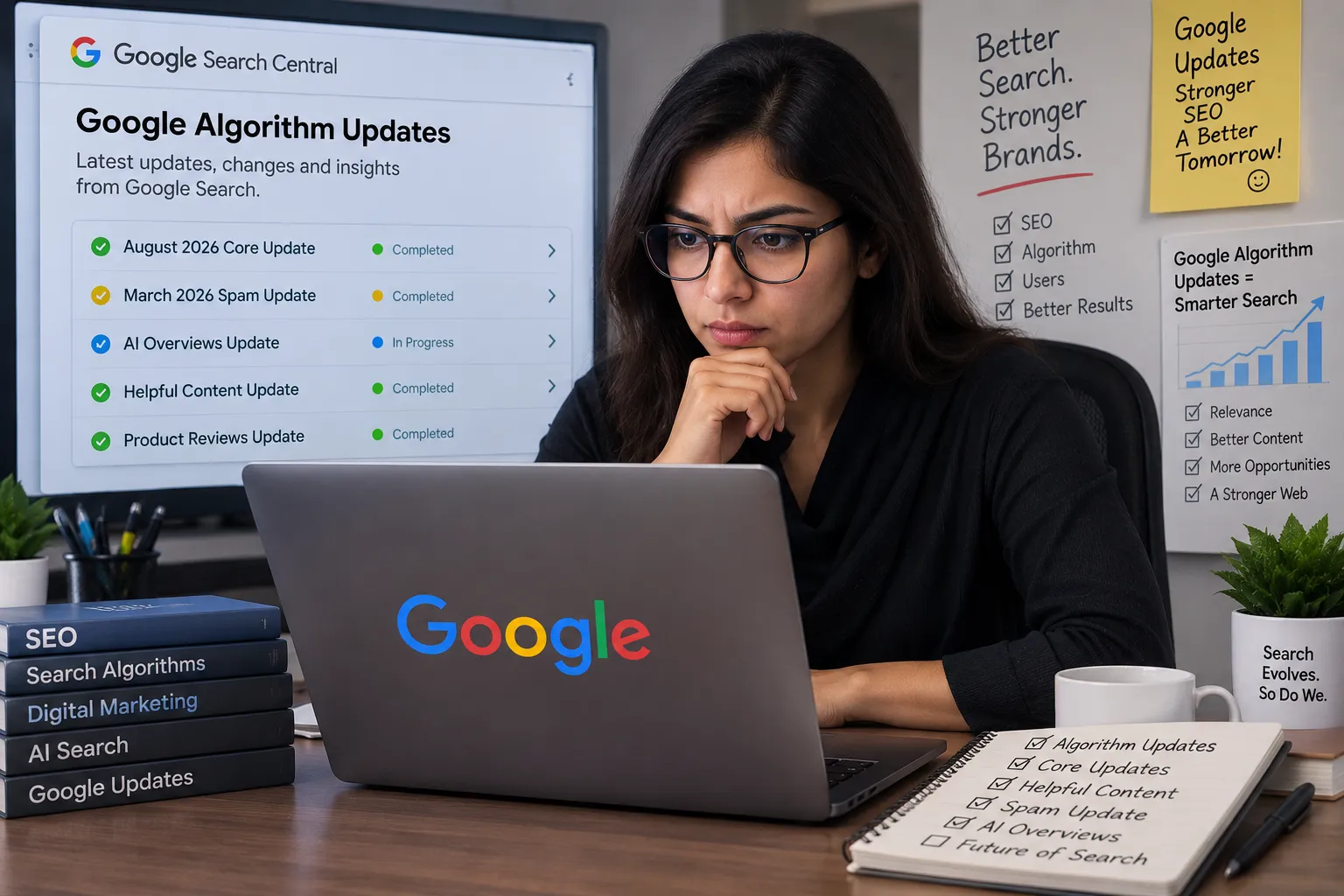
Algorithm’s Impact on Rankings and Traffic
If one thing directly impacts the rankings of websites, that’s algorithm updates. It often creates fluctuations in keyword placements. These alterations influence organic traffic and eventually lead to significant gains or drops. Also, website visibility can be affected, and it can impact the overall exposure and reach to the target audience.
Positive Impact Example:
After a significant update, a luxury products blog that had been diligently producing high-quality content received an improved boost in rankings. The update rewarded the informative and authoritative content, guiding the website to a higher position for relevant keywords. Consequently, organic traffic surged and led to enhanced conversion and engagement.
Negative Impact Example:
The case of a travel website that made use of duplicate and thin content suffered from an immediate drop in rankings due to the introduction of an algorithm change by Google. This affected the poor quality content and caused the website to fall in ranks for keywords relating to travel topics. This eventually led to a reduction in traffic, hence bookings.
These are just some of the many examples that highlight the need for adhering to Google’s guidelines.
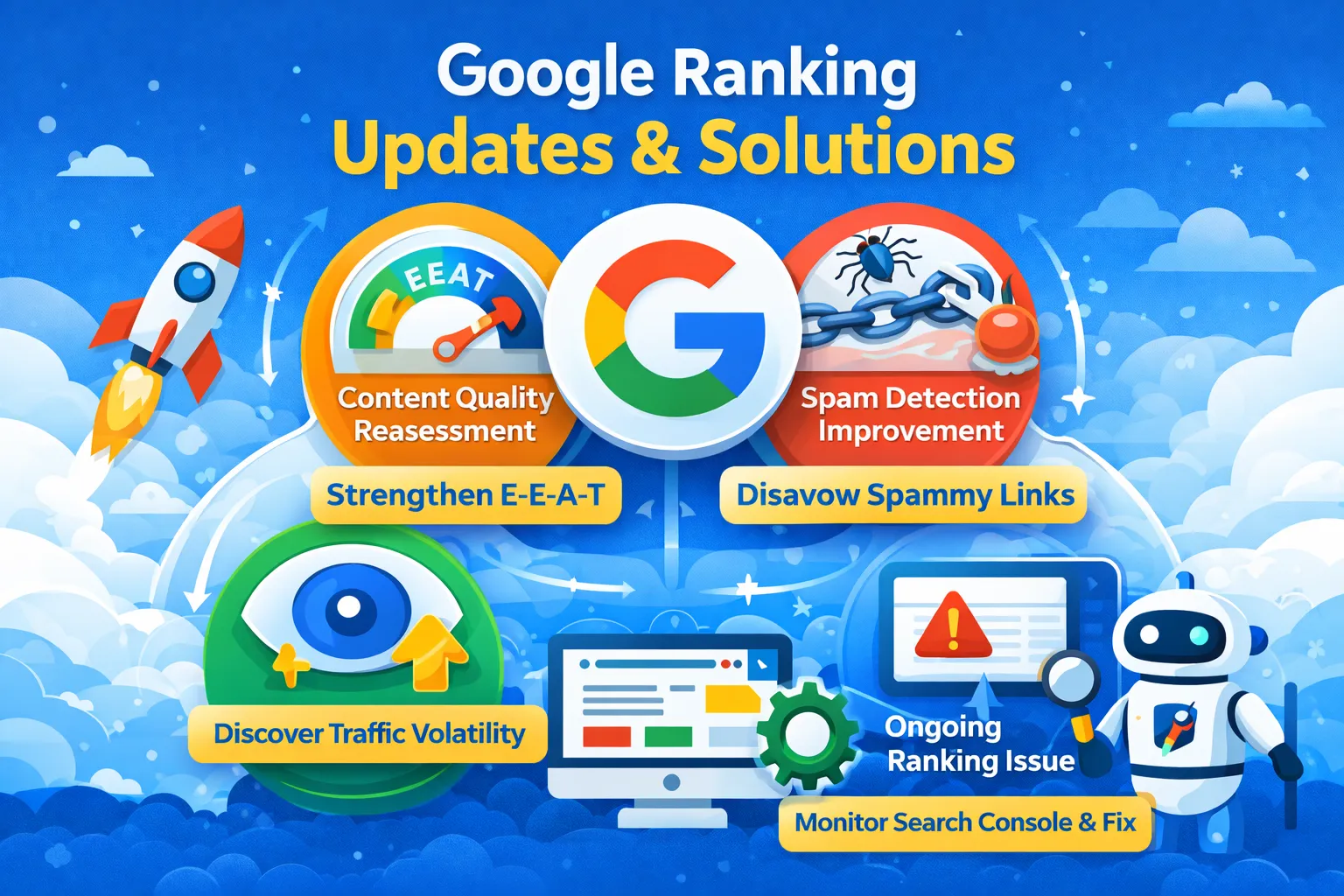
Preparing for Updates
If you’re preparing for updates, these are the steps you need to follow:
- Follow Google’s Official Channels: Subscribe to Google Search Liaison and Google Search Central blog to get updates directly from Google.
- Industry Forums and Blogs: Follow SEO blogs like SEMrush, Search Engine Land and Moz to get more insights on algorithm changes.
- Google Search Essentials conferences: Attend industry conferences (BrightonSEO, Pubcon etc.) where you’ll often hear experts discuss upcoming updates and trends.
- SEO Newsletters: Sign up for newsletters from trusted sources to receive regular updates on changes to Google algorithms and various SEO techniques.
- Social Media Groups: Get into social media groups dedicated to SEO, and engage with the experts on the topic.
- Google Search Console: At last, do not forget to check your website’s Google Search Console for any updates.
Once you begin using these resources, you will be able to stay ahead of any algorithm changes and adapt to the new strategy. In addition, it is necessary to constantly study Google Search Essentials to have an efficient online presence and adapt quickly to any algorithm changes. These are recommendations on how to use best practices according to Google standards for user experience, relevancy, and quality. Following the rules allows you to avoid penalties, as well as optimize the site for users’ satisfaction and search visibility.
Monitoring Performance of Your Website
| ASPECT | GOOGLE ANALYTICS | GOOGLE SEARCH CONSOLE |
| Traffic Analysis | Track website traffic, user behavior and engagement metrics | Analyze impressions, search queries, clicks and click-through rates. |
| Audience Insights | Gain geographic, demographic and device-related insights about your website visitors. | Get an idea about the type of users engaging with your site and their preferences. |
| Conversion Tracking | Track goals, conversions and ecommerce transactions. | Check how well your website converts target audiences and which pages contribute most. |
| Page Performance | Evaluate each page load times, user interactions and bounce rates. | Identify webpages with high click-through rates and optimize the underperforming ones. |
| Traffic Sources | Find out from where your traffic is generating, it can be referral, paid or organic. | Discover the sites lining to yours and how effective the channels are. |
| Keyword Analysis | Monitor organic keywords driving traffic and their performance. | Observe which search queries are leading users to your business website and their rankings. |
| Technical Issues | Highlight technical problems affecting site performance and usability. | Receive alerts about security concerns, crawl errors and mobile usability issues. |
| Indexing Status | Check how Googlebot crawls and indexes your webpages. | Confirm that Google is properly indexing the pages and identify any type of indexing issues. |
| Mobile Compatibility | Monitor your site performance on mobile devices and resolve related issues. | Make sure your website is mobile-friendly and solve the mobile usability problems. |
Following this process helps in comprehensive monitoring, allows you to optimize your site’s performance and align them with your goals properly.
The tracking of important metrics is essential in understanding the effects of Google algorithm changes on your website. It all starts by checking the changes in organic traffic because the organic traffic shows how visible your website is and how appealing it is to your targeted audience. If there are sudden drops in organic traffic, then it could mean that you have lost rankings because of the changes in the algorithm.
What Does a Drop Means?
A drop in this will mean that your content has become irrelevant to the user’s search. Finally, keep track of the keyword ranking. If you observe that there is any change occurring in the keyword ranking that is crucial for the ranking, then it means an algorithm update.
Through continuous monitoring of the above metrics, it is easy to modify the SEO strategies in case there is an algorithm update by Google.
Analysis of Algorithm Update Impact on Your Business Website
In analyzing the impact of an algorithm update on your business website, a good approach will be:
- Regular Optimization: Make sure to improve your content and SEO strategy through the details you received from the updates.
- User Engagement Metrics: Test the metrics, which must include conversion rates, bounce rates and the time visitors spent on certain webpages
- Backlinks Analysis: Check the changes in specific backlinks, their quality as low-quality links can affect your website’s rank on the result pages.
- Content Analysis: Check your website content for quality, proper user intent and relevance to user queries. Modify your content based on the criteria from Google’s new algorithm updates.
- Technical Audit: Go through the technical issues that might have been the reason for negative impacts, such as mobile usability problems and slow page load times.
- Compare Industry Trends: Compare your website’s performance to bigger industry trends. If you notice similar changes across the board, it’s likely due to an algorithm update.
- Isolate Affected Areas: Analyze the pages or sections of your site that experienced the most changes. This helps pinpoint where the update has the most impact.
- Identify Trends: Monitor crucial shifts in metrics. A sudden drop or spike indicates potential algorithm impact.
- Post-Update Monitoring: After the release of the update, monitor the same metrics during a certain period of time, typically several weeks.
- Pre-Update Benchmarking: Prior to updating, collect important metrics like rankings and conversions for benchmarking purposes and organic traffic.
Keep in mind these factors and it will help you understand the impact of algorithm update and make required shifts to grow the performance of your site.
The Algorithm update impacts keywords and web pages and is characterized by:
- Track Keyword Rankings: Observe the impact on keyword rankings with tools like Moz, SEMrush, and Google Search Console.
- Segmentation: You may separate the pages or keywords of your website into different segments, based on different themes or categories.
- Traffic Analysis: Look for traffic shifts in Google Analytics and look for those keywords and pages that have seen a major drop or bump in traffic.
- Landing Pages Review: Landing page review, organic traffic changes greater than 10% This is because these landing pages are going to be heavily affected by the google algorithm update.
- Relevance of website content: Check if website content is relevant to the search queries it is targeting.
- Review Landing Pages: Analyze the landing pages that had the biggest changes in organic traffic. That’s because these landing pages are affected by the update.
- Search Queries Check: Check the “Queries” report in Google Search Console to see the search queries that had a change in rank, clicks or impressions.
- Competitive Analysis: Conduct a competitive analysis of your traffic changes and ranking versus the performance of your competitors so you can understand what is happening in the industry.
- User Engagement: Verify user engagement metrics like conversion rate, time on page and bounce rate for these web pages. Bad engagement means bad web pages.
- Verify Penalties: Verify from Google Search Console whether there are any manual actions or penalties applied to those particular web pages.
- Content Quality: Check how good the content is in terms of various factors including relevance, accuracy, originality and comprehensiveness.
When you combine data from these steps, you can figure out the pages or keywords that were most impacted by the Google algorithm updates. This information helps you with the strategies for optimization and overall recovery.
Recovery Strategies

How can you recover from the bad effects of a Google Algorithm Update?
- Quality of Backlinks: Check the quality of your backlinks and eliminate the spammy and bad-quality backlinks. It is very important for you to build high-quality and relevant backlinks.
- Usage of Schema Markups: Use schema markups so that you can provide more information to the search engines and help them to understand the content of your site better.
- Improvement of Content: Review the correctness, relevancy, and accuracy of the affected content due to the Google penalty and improve it.
- Improving User Experience: Enhance the usability and accessibility of your website.
- Technical Audit: Analyze what are the technical issues like broken links, mobile-friendliness, etc. Solve all these problems immediately to improve user experience.
- Regularly Updating Website Content: Ensure that you update the content of your website regularly.
- Website Optimization for Mobile Devices: Make your website mobile-friendly because Google favors mobile-friendly websites.
- Different Forms of Content: Use different forms of content such as podcasts, infographics, videos to make the user experience engaging.
- SEO Strategy Safe from Google Algorithm Changes: Make use of a comprehensive SEO strategy that follows everything related to SEO according to Google guidelines.
- Realignment of Keyword Strategy: It is time to reassess your keyword strategy. Pay attention to the use of long-tail keywords and user intent.
By following these strategies, you will be able to lay down a solid base to overcome any negative impact and make your website future-proof.
Adapting to Changes
Adjustments in response to algorithm changes and SEO techniques are crucial in maintaining online presence and success. The search algorithms of Google are always changing in order to provide the best user relevance and experience. Failure to do so will definitely result in huge losses in terms of conversion, traffic and rankings.
It is only through adaptation that your business website can keep up with the latest trends in search engines. It helps in obtaining new opportunities, adapting to the latest trends and meeting the changing needs of users. In the end, companies that keep on adjusting their SEO strategies to suit the new changes in algorithms are more likely to prosper in the dynamic world and grow.
Relevant content, mobile optimization and great user experience are some of the important things for successful SEO.
- User Experience: Good and easy-to-use user experience is what retains the visitors and lowers the bounce rate, showing high quality to search engines. The fast loading speed, good navigation and well-designed call to actions will result in positive user experience.
- Mobile-Friendliness: With the fact that mobile devices drive the largest part of traffic on the web, mobile-friendliness is of critical importance. Google prefers to rank those sites that are mobile-responsive.
- Quality Content: Information-based content that educates and informs users and helps solve user problems becomes authoritative, builds trust with users and earns backlinks. It also improves dwell time, social sharing, engagement and helps improve ranking.
- The above points when combined together become the recipe for an effective Google Algorithm resistant strategy. Adapting to changes in algorithms and continuing to deliver value and user experience becomes key to user satisfaction and ranking.
Final Thoughts
Google algorithm updates information is crucial in case one is setting up a new business and aims at having their website ranked on all search engine result pages. The information will help one be ready for any upcoming updates. This will make sure that your website is always safe from penalties and gives good returns on investments. Even if you are still having concerns about Google updates, do not hesitate to turn to One Design Marketing Technologies and we shall take you all the way to success. Let us use our industry approved practices and optimize your brand website.
FAQ
What are Google algorithm updates?
This is a change to the ranking systems which Google uses to assess, organize and display in the search result pages. These updates ensure that there are more user-relevant and reliable search results.
How to check Google updates?
Begin with the Google search status dashboard. It has the lists of official rankings, rollout dates and completion details. You can also go through Google search central blog for deeper search announcements. Once you get the update dates, check if there’s any traffic decrease because of an update.
How often do I get to see an update?
Google releases these updates almost regularly. However, smaller changes aren’t declared because they are not noticed widely. Major updates happen several times a year. Spam and other ranking details may happen at different times of the year.
How do I recover from Google algorithm updates?
Review affected webpages, refresh content, improve content quality, make sure of the search intent, make your website mobile and user friendly, fix the backlinks and remove the ones that are affecting your site. Also, fix the page load time and other technical issues. For core updates, wait for a week before making the final decision.
What’s the latest Google algorithm update in 2026?
On Aug 18, 2026, Google launched a spam update. It is a Big update, nothing major, mainly focused on improving spam detection policies and identifying violating content on websites. It follows other notable updates released earlier this year, including the June Spam Update and May Core Update. The update was completed on June 26, 2026.