How Businesses Can Automate 70% of Their Marketing with AI
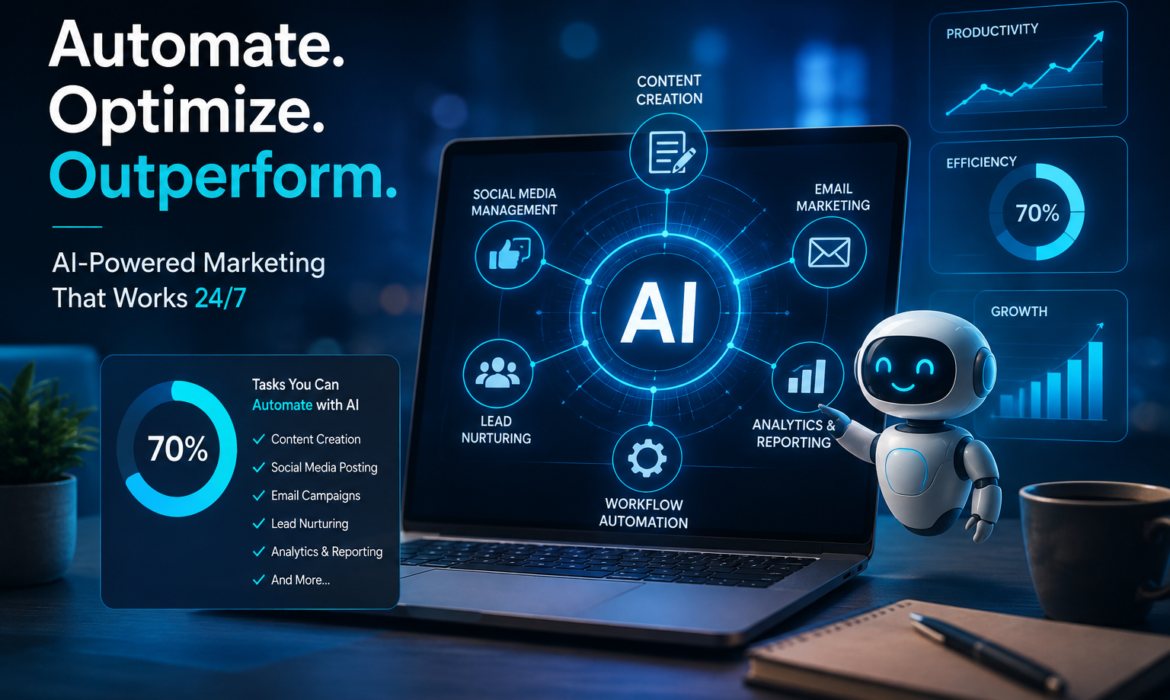
In this digital era, AI can become just anything you want. It’s like, with a wave of the wand, you can get everything, but here it only takes a voice command, which isn’t even bibbidi-bobbidi-boo. Artificial intelligence can be your chatty friend and you can use it for business in the form of AI marketing.
It’s indeed fascinating how B2C teams are using this platform for their practical growth. With the technological advancements, 70% of marketers expect AI to play a larger role in their business.
As more B2C marketers adopt artificial intelligence for brainstorming ideas, SEO and content creation, the platform is expected to claim a key space in the brand’s core marketing strategy. Whether you’re ready to use AI or exploring it for the first time, in this blog we will discuss everything that will help you utilize AI for 70% of your marketing strategies.
What is AI Marketing?
AI marketing refers to using artificial intelligence capabilities to plan, personalize, automate, analyze and execute marketing plans. It assists brands make improved marketing decisions using machine learning, generative AI, natural language processing, predictive analytics and data models.
AI in marketing helps businesses work smarter with visible business benefits such as increased customer satisfaction, greater productivity, better targeting and ultimately higher ROI.
What is Generative AI in Marketing?
Generative AI is a type of AI that’s capable of generating content in different formats such as audio, video, image and text. This Gen AI for B2C marketing helps in creating email variations, customer journey content, ad creatives, product descriptions, campaign copy and more.
What is AI Marketing Automation?
Automation in AI marketing is the way to automate, optimize and personalize marketing workflows across customer buying experiences. It efficiently uses customer data, predictive models and real-time behavior to decide what message to send, when to send and which channel to use.
For B2C brands, AI marketing automation is mostly useful because of the changing customer behavior. AI helps businesses react to those changes in real-time, instead of waiting for static campaign updates or manual analysis.
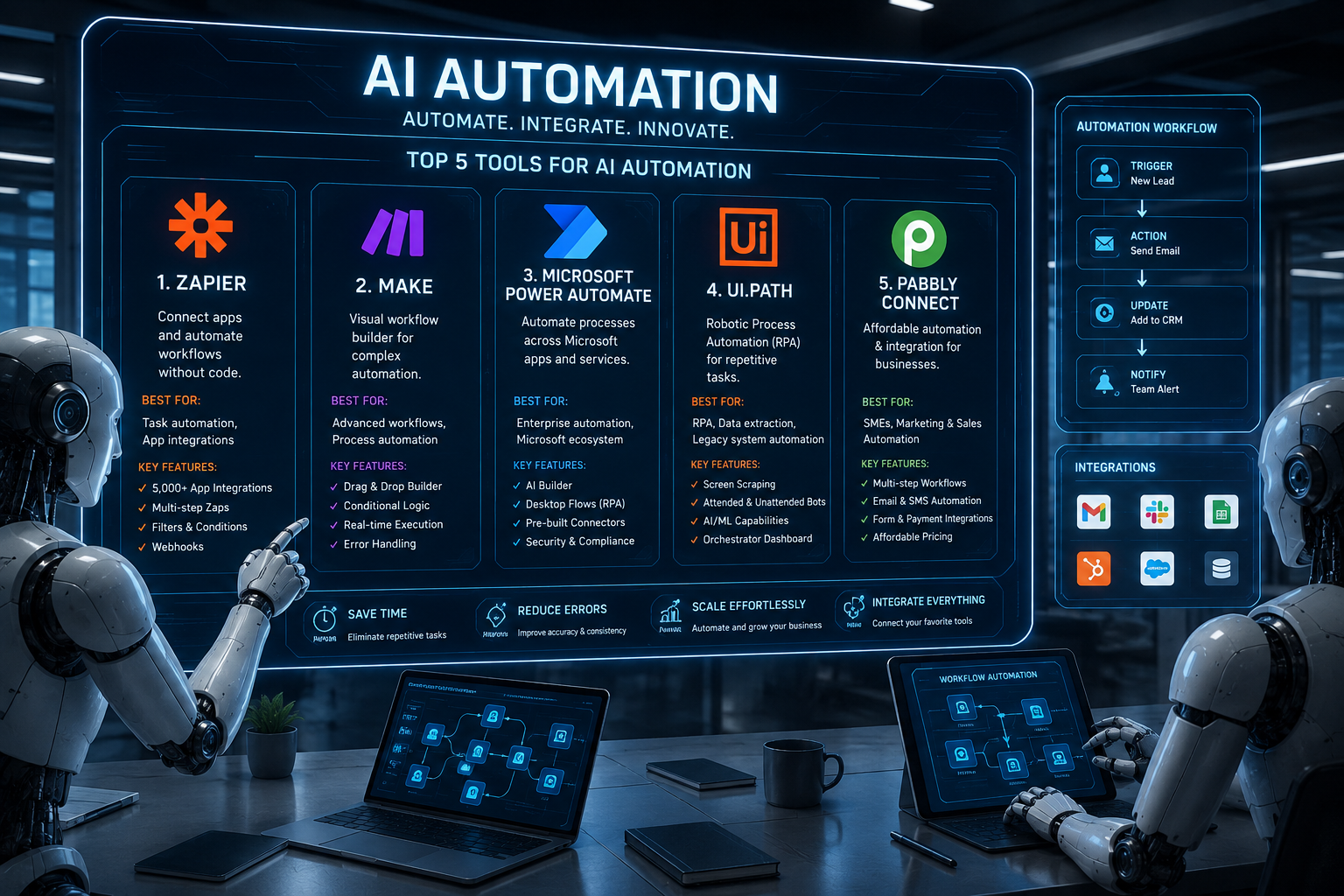
The Process of AI Marketing Automation
Artificial intelligence improves marketing automation through predictive, adaptive and personalized campaigns. It doesn’t only automate the repetitive tasks, but also helps businesses make better decisions across channels, content, segmentation and customer journeys.
Here are some of the biggest advantages of integrating AI in marketing automation:
- Enhanced Creativity: Generative AI for marketing uses human capabilities in ideating, brainstorming and creating marketing assets across various formats. Creative blocks are normal, but making it move despite the blocks is one of the biggest advantages of AI marketing.
- Faster and More Informed Decisions: AI is capable of sifting through large volumes of data and translating it into better insights helps businesses to make quicker and more informed marketing decisions.
- Real-Time Personalization: Customer behavior keeps changing, but AI marketing helps marketers to stay ahead of the curve with predictive insights, real-time analytics and unique optimization of campaigns.
- Comprehensive Automation: Automated processes such as posting on social media, efficient campaign management and sending timed emails can give you more time to do crucial tasks. Additionally, comprehensive workflow automation has fewer chances of making human errors.
- Increased ROI: In a 2024 report, it was stated that AI marketing campaigns have the capability of generating 20 to 30% greater return on investment compared to traditional marketing campaigns. With a strategic use of labor, money, time and data, AI can easily enhance the effectiveness of campaigns.
What are the Best Ways to Use AI Marketing?
As AI continues to evolve, its potential transcends as well. Today, AI is being used extensively by B2C companies to improve marketing automation, customer support, content creation, personalization and targeting.
Here are the types of AI Marketing use cases:
Personalization
According to a survey, 71% of consumers expect personalization, and 76% get frustrated if they don’t find it. Until recently, the meaning of personalization in marketing has changed. Customers are now asking AI platforms to get a better answer for their needs and the game has changed dramatically. Marketing and AI have brought the era of hyper-personalization, moving the tactics from a one-size-fits-all approach to highly relevant and individualized messaging.
AI can help analyze customer preferences and history to create improved and personalized content in real-time for a more engaging experience. Today, with AI-driven insights, you can tailor your communications based on how often target customers visit your app or site, which product they have shown interest in and more.
Ad Targeting
Struggling to understand buyer behavior? AI in digital marketing will help you map your target customer’s buying preferences, micro-segmentation and more. Further, AI helps brands with powerful analytics, which is useful for optimizing ongoing campaigns in real time.
Content Marketing
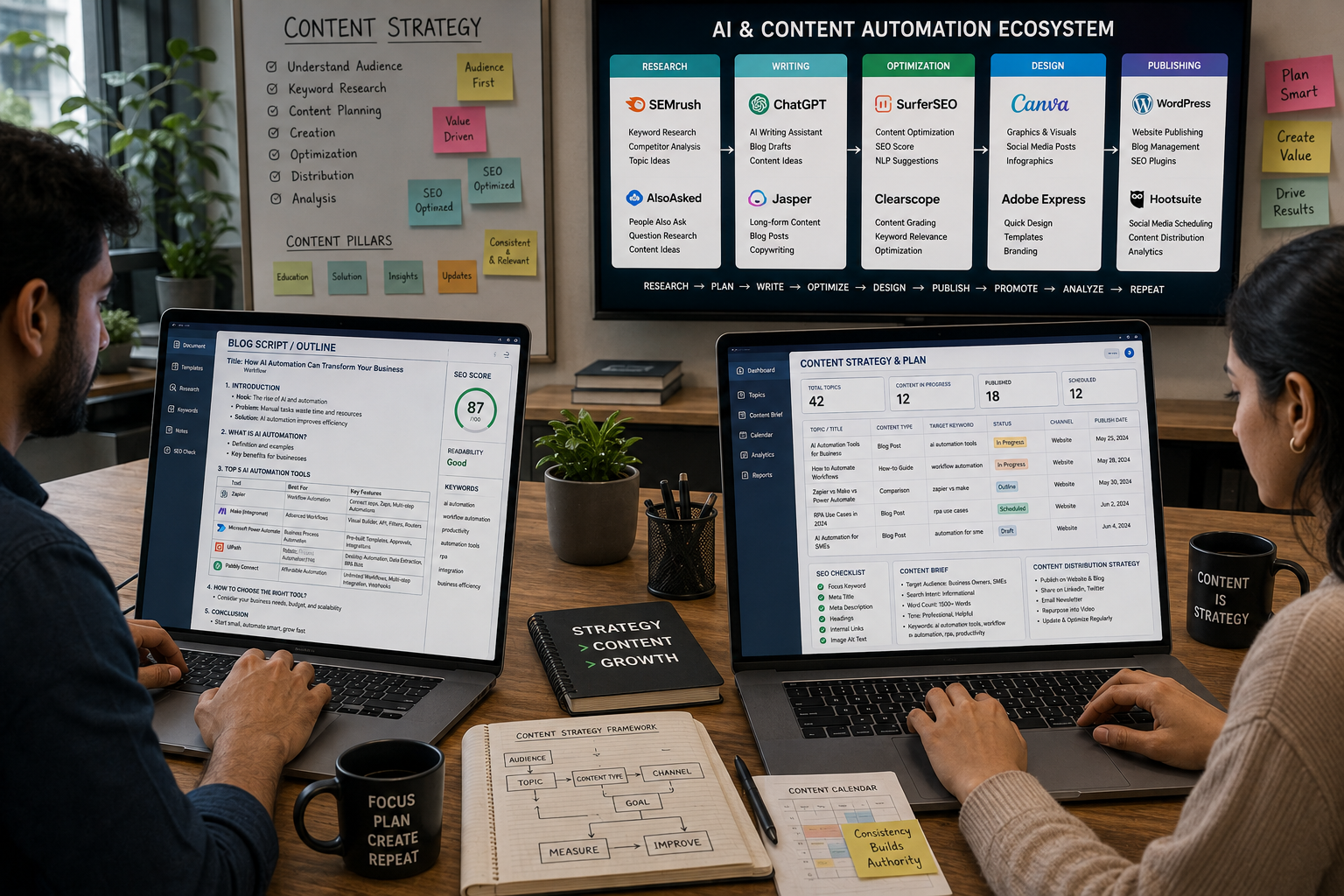
Think of creating, publishing and distributing content at the scale you need in just minutes. A 2025 report stated that 55% of businesses utilized content creation as the most popular method for B2C AI. Generative AI models are now widely used to create videos, images and text for companies — all adapted based on your brand requirements.
Product Marketing
AI marketing helps with the core aspects, such as positioning, messaging and promotions. Businesses can now develop detailed customer personas and conduct in-depth competitor analyses with AI for accuracy. Additionally, B2C companies can leverage generative AI for product marketing by creating unique and relevant content and saving time and effort.
Email Marketing
If you want your customer relationship emails to be data-driven, automated and timely and personalized, AI for email marketing can make all of these possible. Moreover, with AI-based content optimization, you can increase customer engagement through your campaigns. An email marketing automation platform with built-in AI tools equips you with everything you require for smarter AI-powered processes.
Customer Support
AI chatbots aren’t something new, but they’re always evolving. With machine learning and natural language processing, bots are becoming smarter and offering more personalized conversations with customers.
Structured Customer Journey
AI can help businesses build and optimize customer journeys across multiple channels. Instead of manual practices, marketers can use AI to recommend journey steps, adjust timing and personalize touchpoints based on real-time customer behavior. This makes AI marketing automation more adaptive than traditional work processes, where every section requires manual definitions.
Campaign Decisions and Optimization
AI can also help marketers decide the next best action for their target audiences. These include selecting the right product, channel and journey path, content and send time. For example, if a customer wants to buy something, AI can recommend the best product or offer to move them closer to conversion. This is where AI marketing is working beyond simple automation. Marketers can set goals while AI helps optimize those boundaries.
How Businesses Can Automate 70% of Their Marketing with AI in 2026
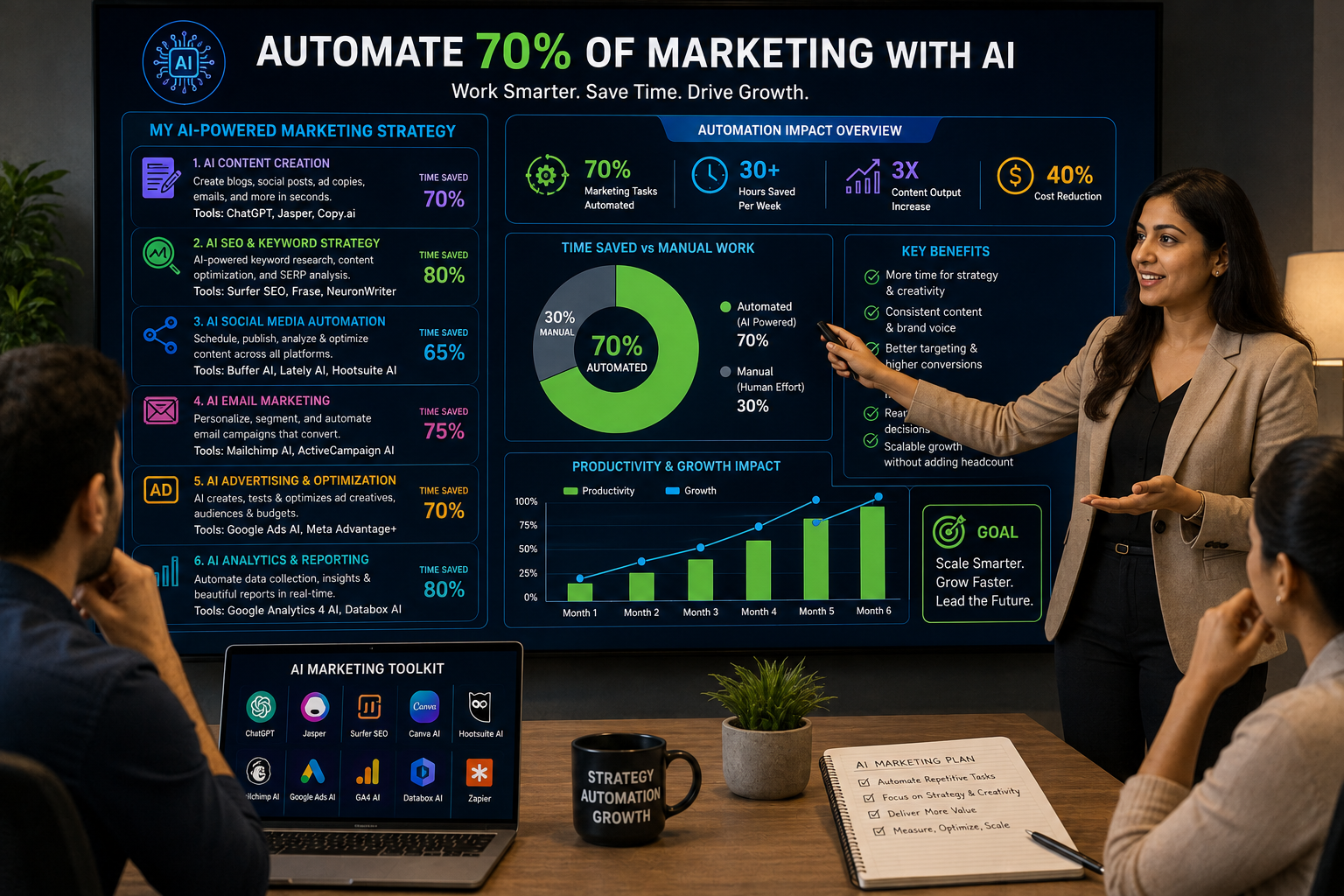
When you begin with AI marketing automation it doesn’t mean replacing your entire marketing strategy. The best approach is to start with one or two cases, test AI-assisted workflows and expand gradually as you gain confidence. Below are some of the strategies that can help you automate 70% of marketing with AI.
Enhance Content and Customer Experience
One of the key benefits of AI for B2C marketing is the automation of many customer conversations and creative tasks. With chatbots that enable human-like chats and generative AI utilizing human creativity, businesses can use automation to focus on main tasks.
Forecast Customer Behavior
Predictive AI has the power of forecasting future outcomes using machine learning and behavioral data. For example, Netflix uses predictive analytics to forecast and recommend what its customers would be interested in the next streaming. It anticipates customer needs as a winning strategy for marketers.
Begin with One Customer Journey
Instead of trying to start automation on everything, begin with one journey that already matters to your business. This could be onboarding, repeat purchase, loyalty engagement, abandoned cart recovery and reactivation.
For example, an eCommerce company might begin with abandoned cart recovery. AI can help identify who is most likely to convert, which products or services to offer, when to send the message and which channel to select. The moment you see results from one journey, you can expand AI marketing automation to other stages.
Set Goals for AI Decisions
AI marketing decisions work best when businesses set clear boundaries and goals. You might have goals like improve email engagement or increase repeat purchase. Then you can define guardrails around message frequency, discount limits, brand voice, channel preferences and more. This gives AI room to optimize while keeping the marketing team in control.
Budget Optimizations for Improved ROI
Taking care of the budget when you’re trying to engage with the right audience can be challenging. AI-driven optimizations help businesses to make instant decisions about where to redirect spending. This includes boosting platforms with real-time analysis and spending on high-performing assets.
Final Thoughts
As B2C AI marketing becomes more polished and extensively used, integrating it in your business strategy is a must when you want to stay ahead of the market competition. Using artificial intelligence in marketing can help your brand improve campaign efficiency, optimize marketing automation and personalize customer experiences.
If you’re interested in harnessing AI for your company’s marketing efforts, schedule a meeting with One Design Marketing Technologies today and elevate your digital marketing experience.
FAQ
What kind of data businesses need for AI marketing?
B2C businesses typically need customer behavioral data, profile data, campaign engagement data, purchase history, channel preference data and product interaction.
What are the 5 types of AI tools marketers use?
The 5 main types of tools marketers use are Natural Language Processing tools for text understanding, Computer Vision for visual recognition, Virtual Assistants for user support, Machine Learning for data analysis and Generative AI for content creation.
Can AI help me create better social media posts?
Yes. AI changes the game for social media marketing. Using AI tools, businesses can provide a better impact on post scheduling and content creation. It can also help you get better engagement and get more from each post.
Can AI improve the customer experience I offer through my site?
Yes. AI can significantly improve the customer experience that you offer your target audiences through increased time and personalization. With this, you can anticipate their needs early.
What’s the future of AI in digital marketing platforms?
The future of AI-powered digital marketing includes automated video content, voice search optimization and hyper-personalized ads. Businesses that are harnessing the capabilities of AI will enjoy strong competitive benefits in the marketplace.
Explore Our Digital Marketing Services
Our Core Services
AI SEO Services
SEO by Location
SEO by Industry
Law Firm SEO Services
Healthcare SEO Services
Real Estate SEO Service
Dental SEO Services
Chiropractic SEO Services
HVAC SEO Services
Car Dealer SEO Services
Catering SEO Services
Fitness SEO Services
Gym Trainer SEO Services
Jewelry SEO Services
Limousine SEO Services
SEO for Luxury Travel
Insurance Agents SEO Services
Junk Removal SEO Services
Small Business SEO Services
Yoga Studio SEO Services