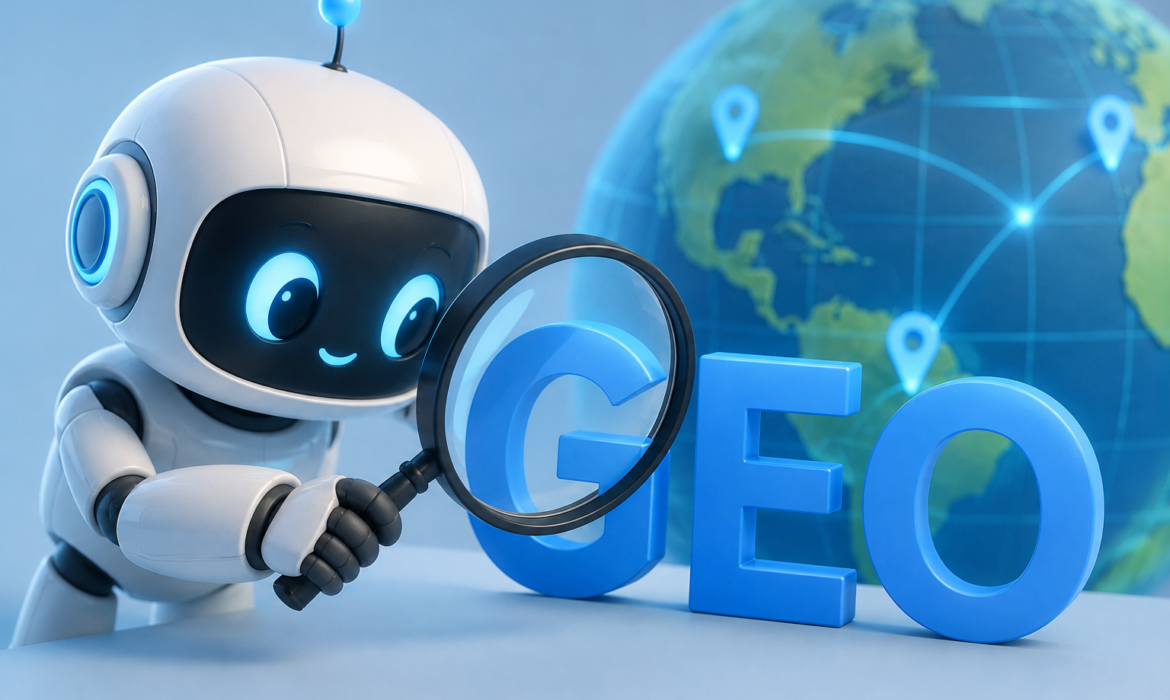
A Guide to Mastering Generative Engine Optimization in 2026
According to the prediction of Gartner, the volume of traditional search will drop by 25% in 2026 as customers are shifting towards more helpful AI-generated responses from Google. Google’s AI Overviews has now reached over 2 billion monthly users. For example, ChatGPT serves 800 million customers each week and other platforms process the request of hundreds of millions questions every month. So, in such a competitive environment, if you want to increase your website’s visibility, this is the time you need to understand the importance of Generative engine optimization (GEO).
It’s crucial for businesses to get discovered and no longer worry over ranking on the first page. Today it’s about getting mentioned in the AI-generated answers, and it’s the objective. And in 2026 GEO isn’t even an option; you certainly need it for your brand. Wondering how to master it? In this article, we’re going to help you with the strategies and plans that actually work. Let’s get started.
What is Generative Engine Optimization?
GEO is the process of aligning your digital presence and content so that AI platforms such as Copilot, Gemini, Google AI Overviews, Claude, Perplexity, ChatGPT and other places can discover, cite and mention your brand as a trustworthy site in the answers of your target customers.
In traditional or regular SEO it’s only about ranking your site among those blue links; GEO on the other hand is about claiming a place in the AI domains and getting cited in the responses. The competition is tough, but the result is better. The moment an AI engine mentions your company in a reply, it endorses your brand that no organic listing can ever give you.
A Step by Step Guide to Master GEO
So, are you ready to explore the realm of GEO? If you are, here is the step by step guide that will help your brand effectively.
Step 1: Technical Improvements
Truth to be told, if AI can’t read your content, it will not recommend your brand. This is the section many businesses often forget. If you look at the large language models, you’ll see that these do not just blindly crawl and index content. Neither do they check how aesthetically beautiful your webpage is. Rather, their algorithms specifically rely on the machine-readable signs to comprehend what your page wants to convey, who you are and whether your website deserves to be cited.
Technical AI Ready
Before investing in your SEO strategies, check if your site is ready for technical AI. Clean HTML matters, as this ensures the content you want to share and want them to get read. And it isn’t a new principle, it still touches the rules of traditional SEO, the only shift is that the new AI crawlers are stricter.
Add Useful Content
For better visibility, add FAQs, comparisons, product details, and organizational information. Schema helps AI models that crawl your site and manages the relationships between your content, brand and the topics you want to display. Additionally, H1, H2 and other tags are similarly crucial to build a good structure.
Step 2: Improved Keyword Research
Today keywords alone can’t do the magic, but the prompt-oriented ones are making new waves. This is perhaps one of the most confusing parts for marketers who have been working with keywords for years. In regular SEO, there were phrases like “best mobiles 2026.” In the GEO realm, the user asks questions that will start a conversation, such as “what is the best mobile for better battery life under $1000?”
Other Platforms
Other than general AI platforms, there are Quora, Reddit and other niche forums, where you will get a “People Also Ask” section for understanding how your potential audience structures their issues naturally.
Track Keywords
Track how keyword infused prompts evolve with time, as user behavior in AI search is neither predictable nor static. As customers become more sophisticated in how they use these tools, the answers become more layered and specific. You also have to optimize GEO maps prompts to retrieve direct AI answers.
Step 3: Answer-First Webpage
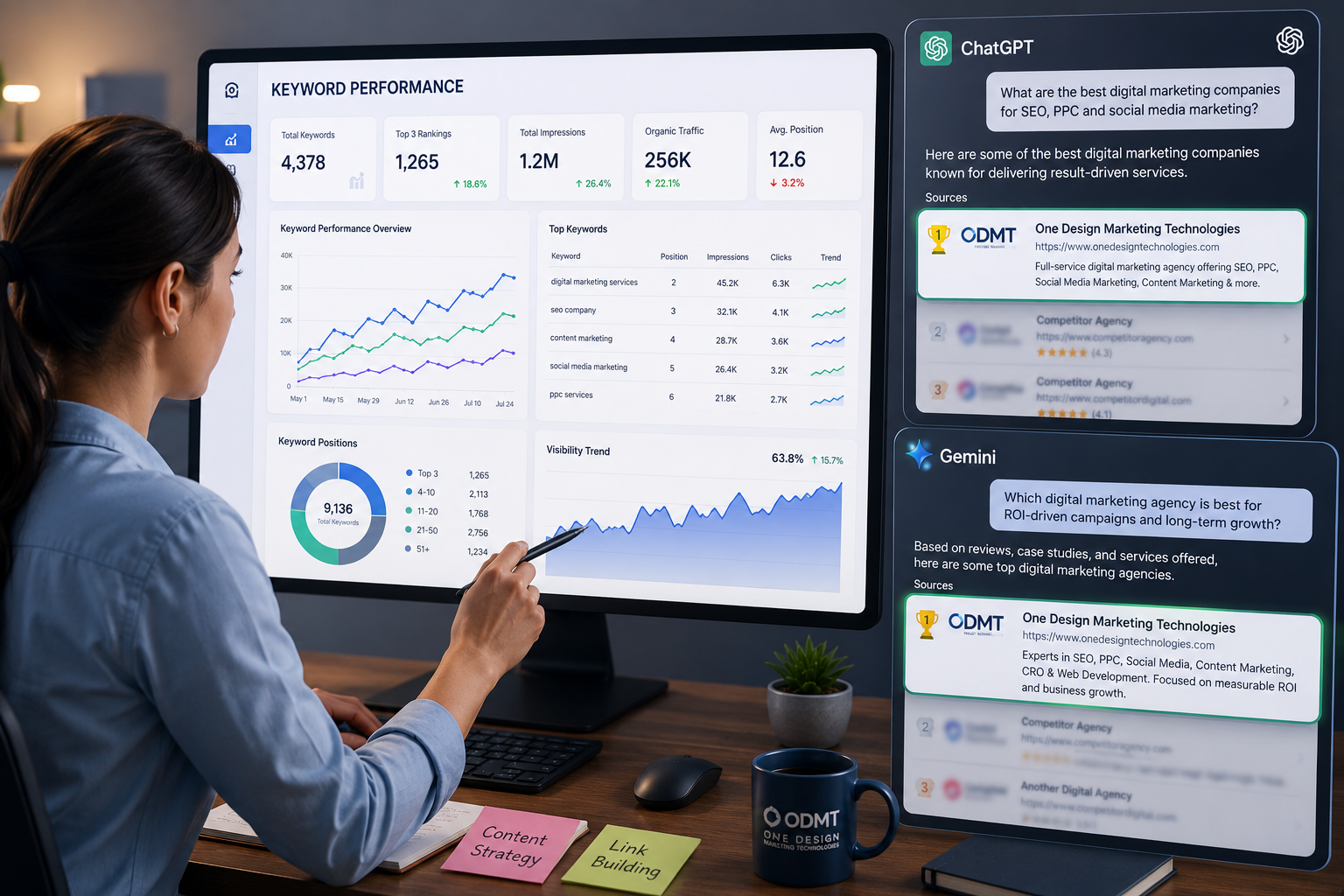
Write and structure your content in a way that AI will quote them. This is the design principle that separates GEO-optimized content from regular SEO details. Here every webpage must align with LLM structures.
Clear Headings
This suggests a clear pattern, provide the questions properly, offer a direct answer using two to three lines and then support the same with suitable context, comparisons and proof. Additionally, you have to format your questions with H2 and H3 headings.
Step 4: Content Strategy
Focus on definitions only and not articles or blogs. Make sure your content answers directly to customer questions. Each paragraph must be straightforward, only that way AI platforms will pick them.
Self-Explanatory Paragraphs
Review each content piece to check if it provided factual response to customer queries. No fluff, no mentioning anything else, just direct answers.
Depth Matters
Make sure the content offers information only and not details that are not useful. The paragraphs on your webpage, must answer the queries made on AI search engines.
GEO Optimization
Identify the content that is selected by AI platforms, alongside the ones that are left behind. Recognizing these patterns will help you optimize in a better way.
Step 5: the Power of Mentions over Backlinks
Backlinks are important, but today getting mentioned on AI platforms is significant. That’s the reason Google AI Overviews and other channels are important for digital marketing.
Forum Discussion Matters
Reddit and Quora discussions are influential because users mention different brands , and AI platforms listen to those discussions and grab those responses to inject them in their responses.
Don’t Ignore Backlinks
Although the world is leaning towards AI answers, you still shouldn’t ignore backlinks. They still help you achieve credibility among your customers.
Step 6: Improved Interlinking for AI Mapping
Interlinking is important for search engine optimization, but as it pertains to GEO, the purpose of these links changes. The goal is not just to keep authority on all pages, but rather to help AI models understand the relationships between concepts on the site.
Links Must Explain the Content
A link that says “get more information” or “contact us” is not enough and does not tell exactly what it is for. But a link with the text “guide to GEO tools and step by step solutions” tells AI models what is the relation between the source page and the destination page.
Step 7: Optimize for AI Snippet Clicks
You are already half winning when your targeted customer can see your brand website without clicks. The moment your site is pointed to in an AI-generated answer, it adds value to your marketing strategies.
Clickable Excerpt
When AI models cite your brand as a source, the customer will see a small snippet next to the brand name. This is the headline and the very thing that makes the first impression. If this is generic stuff like “we provide the best solutions for small businesses” people will scroll past faster than anything. If it’s interesting, customers will click on the link.”
Consider the Headlines and Subheadings
Recreate your headings and subheadings. Make sure they have H1 and H2 headings and must have keywords in them. Write them in a way so AI platforms pick them immediately.
Step 8: Test Your Progress with GEO
Generative engine optimization isn’t a one-time thing; it’s a continuous process of testing, measuring and refining. In the regular SEO, trackers and analytics tools give good measurement ideas, GEO on the other hand is still in the nascent stage. This is all the more reason to conduct manual testing.
Test Across Various AI Platforms
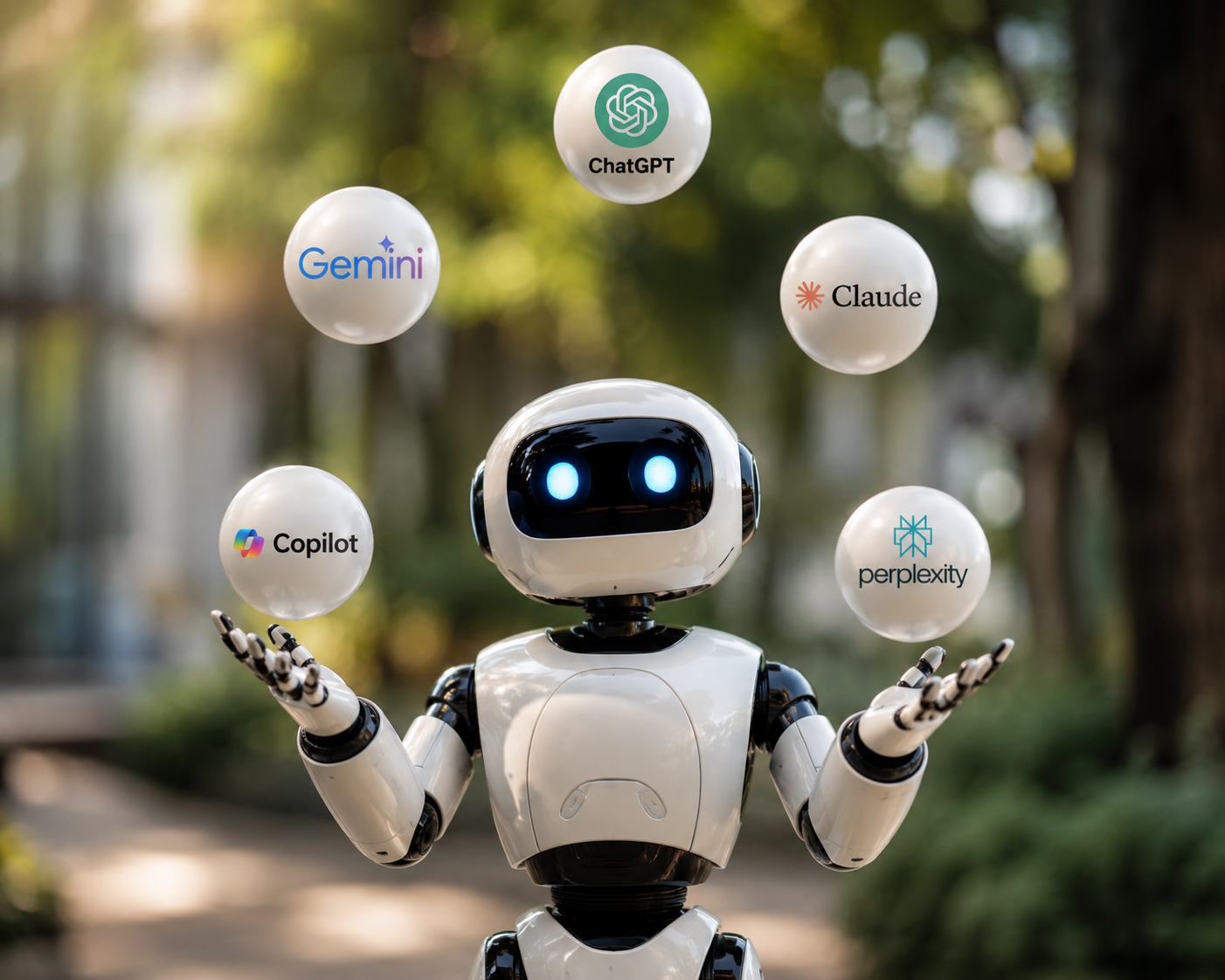
Whether you like Gemini or ChatGPT, it’s time to let go of the biases and test your webpages and content on all platforms. This will help you identify AI engine-specific patterns.
Final Thoughts
The fundamentals are simple, SEO optimizes for website ranking, and GEO does the same for the brand getting mentioned in the AI-generated answers. Do your research, track your site performance, monitor your competitor strategies, plan foolproof strategies and take a measurable action that aligns with your company requirements.
And if you’re getting overwhelmed by these tasks, and want to focus on your business, seek help from the best SEO company. Contact One Design Marketing Technologies today, and get the solutions for all your GEO problems and we’ll be happy to help.
FAQ
How to optimize my website for AI search engines?
Concentrate on earned media, optimize your webpages and test them across various AI platforms to see where you stand. Create strategies based on AI prompts.
What is the difference between regular SEO and generative search engine optimization?
Regular SEO works to rank links; GEO helps brands get mentioned in the AI-generated answers whenever a customer conducts a search. It’s the new and more useful way of getting what one is looking for. Businesses can harness this power of AI to become a trustworthy site among their targeted customers.
Can a small company compete against big brands in AI search results?
Yes. With the right AI optimization, small companies can compete against big brands. AI responses often mention small brands rather than big ones, and that’s your cue. Create better strategies to receive the best results.
How does answer engine optimization (AEO) align with AI SEO strategy?
AEO focuses on formatting content so it gets mentioned by AI systems. It’s a part of the AI SEO strategy and it works alongside LLM SEO. It works as a question answer formatting to increase the chances a website gets cited.
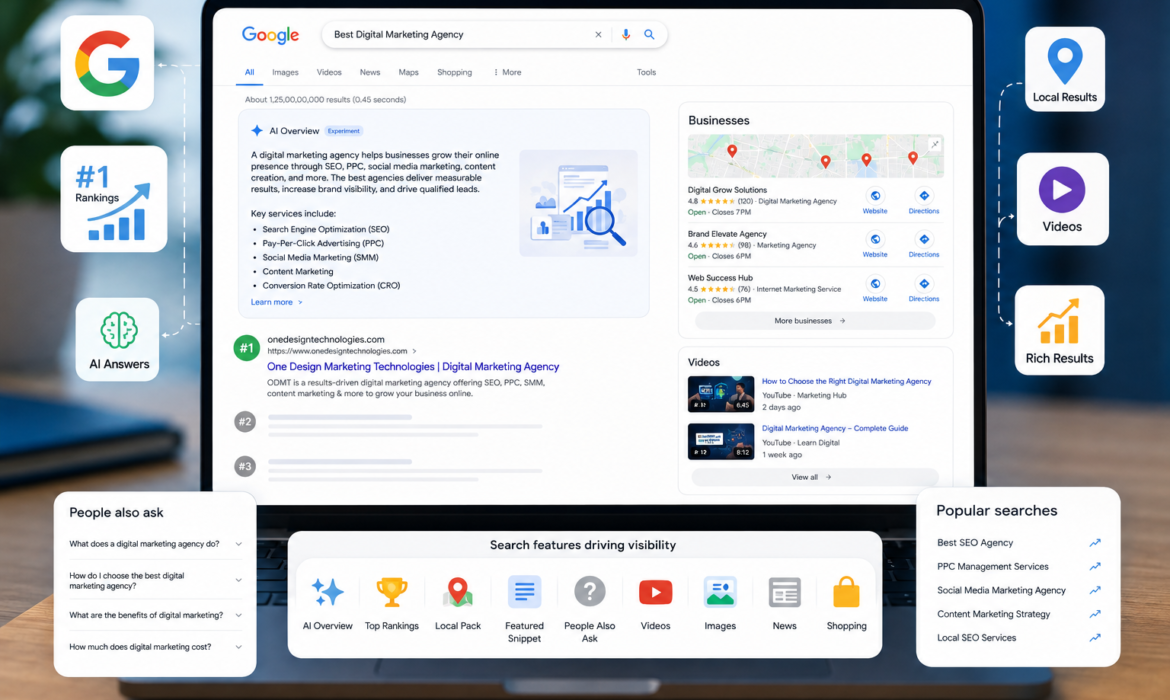
Rankings Aren’t the Whole Search Story Anymore
For years, SEO success was measured by a simple question: Where does your website rank on Google? A first-page placement, especially one of the top three spots, was considered the most obvious sign that an SEO strategy was paying off. But search has evolved. Today, people can get answers through AI Overviews, People Also Ask sections and other search features without clicking on a traditional blue link.
This means rankings still matter, but they don’t tell the whole story. While a site might rank well for a keyword and get no traffic, another brand can get exposure via a number of search experiences without actually holding the traditional number one position. Modern SEO is increasingly about being visible wherever your audience searches for information.
Search Results Have Become More Than Blue Links
Google’s search results are no longer a simple list of websites in order of first to tenth. Depending on the query, users may see maps, images, videos, reviews, shopping products, featured snippets, related questions and AI-generated answers before the traditional organic listings.
This has altered the very definition of visible in search. A business could be listed in a local map pack, have its content cited in an AI answer and be featured in a snippet for the same query. None of these appearances can be explained by analyzing a traditional keyword ranking alone. So for businesses, the goal is shifting from winning a single position to building broader search visibility across multiple search experiences.
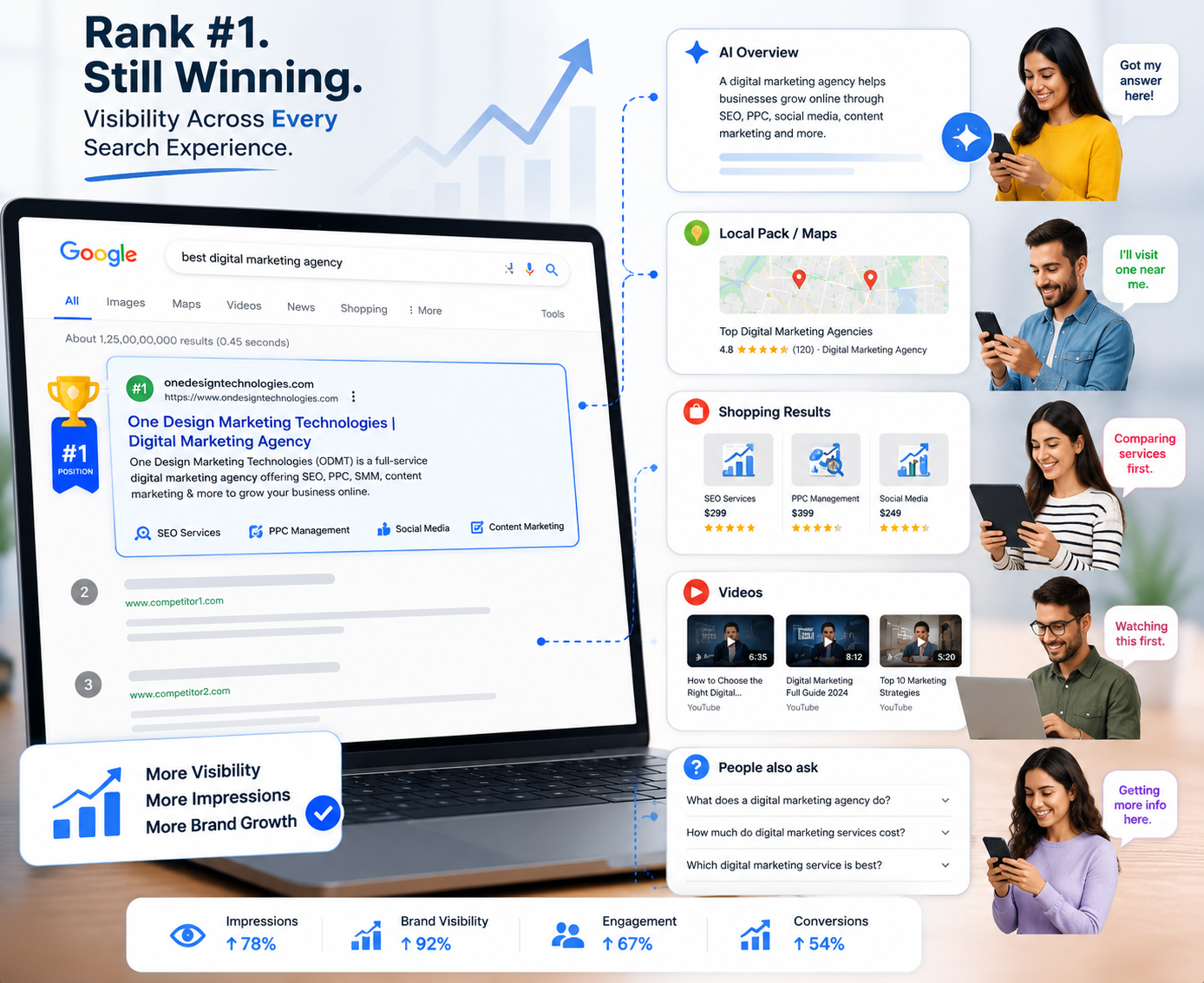
A Number-One Ranking Does Not Guarantee Traffic
Number one sounds good but position alone doesn’t always guarantee clicks. The decision for users to visit a website depends on search intent, SERP features, the familiarity of the brand and the type of query. For example, a person looking for a simple definition may get the answer directly from the search results. Someone seeking a local restaurant may be engaging with map listings, and not a website. A person interested in comparing products might review shopping results, reviews, images or videos before clicking on an organic result.
This means SEO teams need to look beyond rankings and ask questions that are more meaningful. Are people spotting the brand? Are they clicking? Are they interacting with the content? Are the correct visitors arriving at the website? Most importantly, are those visitors taking meaningful actions?
Search Intent Matters More Than Position Alone
Understanding search intent is the foundation of a successful SEO strategy. Users don’t always search with the same purpose. Some are looking for information, some are comparing options and researching products and some are getting ready to make their purchase. Imagine someone looking for “best running shoes for beginners.” Ranking for this phrase is helpful, but the real opportunity is in understanding the searcher’s intent.
They may be looking for recommendations, comparisons, pricing information, reviews or buying advice. Content that satisfies this intent can appear on multiple search surfaces. It may rank organically, appear in related questions, earn backlinks, drive brand searches or be a valuable resource for AI search experiences.
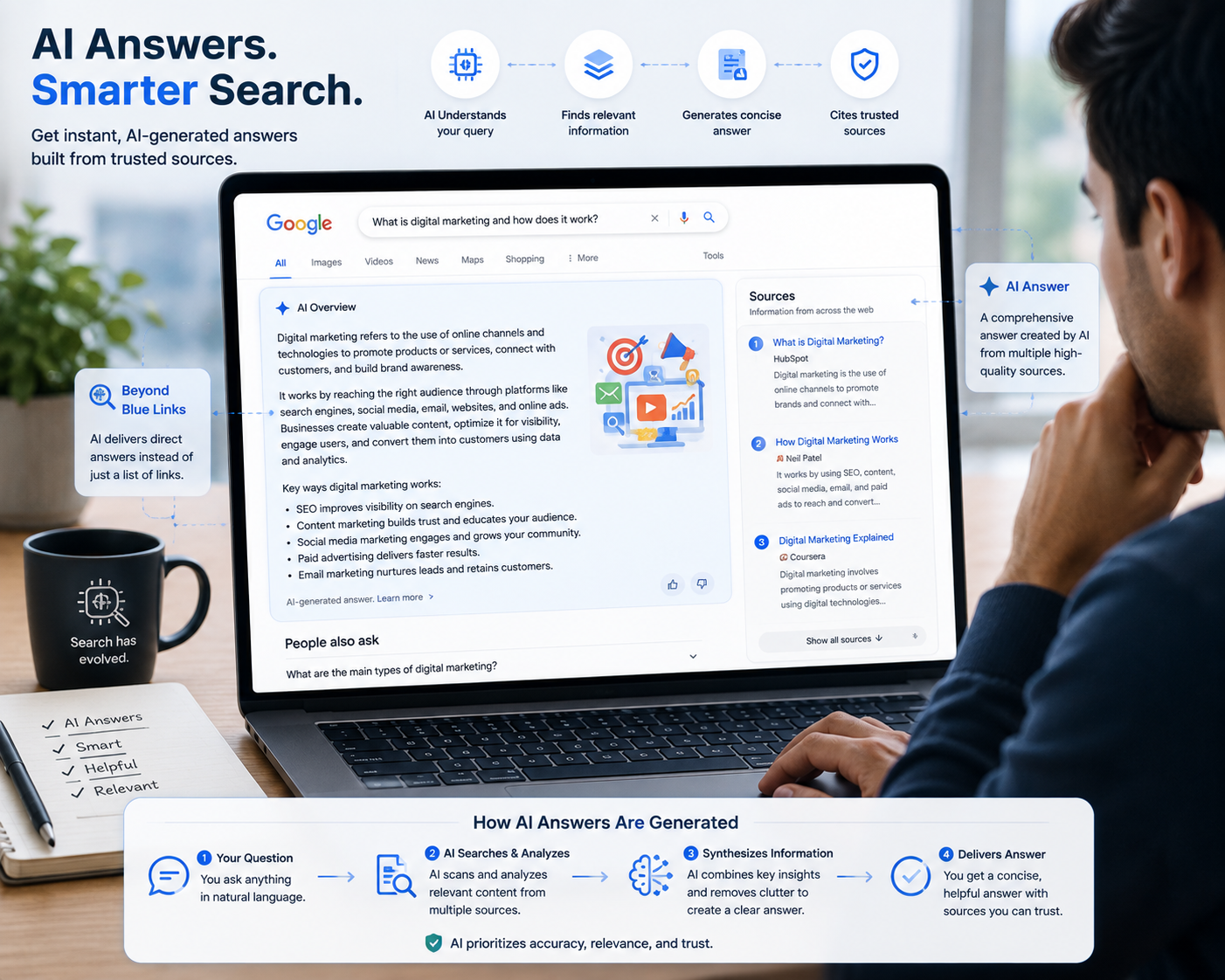
AI Search Is Changing How Visibility Works
With the rise of AI-powered search, the old ranking model has become even less complete. Search engines and AI platforms can now summarize information from multiple sources and provide users with direct answers. Instead of visiting ten different websites, a user might get a synthesized answer that pulls information from a number of places.
This is a new challenge for SEO: brands must now become sources that search systems can understand, trust and potentially cite. It takes more than regurgitating keywords. Clear messaging, good topic coverage, factual accuracy, recognizable entities, authoritative sources and useful content all help define a brand online. The attention is slowly shifting from just asking, “Where do we rank?” to “How often does our brand become part of the answer?”
Brand Visibility Is Becoming a Bigger SEO Metric
Search visibility doesn’t just mean website traffic. Today a user finds a brand in an organic result, tomorrow they see its social content, later they find its business profile and finally they search for the brand directly.These interactions support brand awareness and can influence future searches and conversions.
Hence, when you’re planning an SEO campaign, it’s important to think about branded searches, mentions, local presence, reviews, third-party references and placements on relevant platforms. A brand that is present at every stage of a customer’s research journey can build better recognition than one that ranks high for only a few keywords.
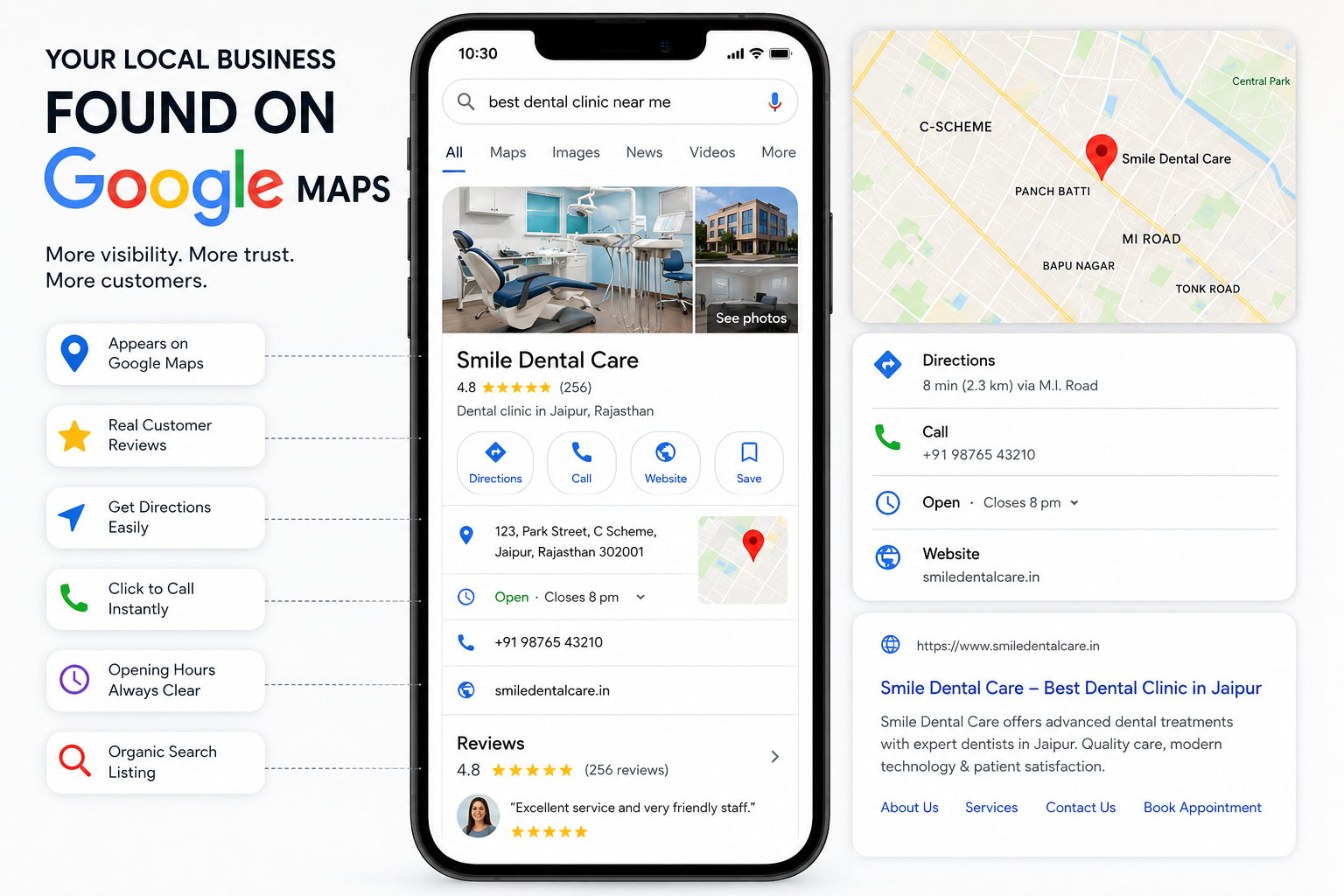
Local SEO Shows Why Rankings Can Be Misleading
Local search is another good example of why traditional rankings don’t tell the whole story. Your local business can be seen on Google Maps, local packs, business profiles, review sites and organic results. The user may never go to the website itself. Instead they might call the business, ask for directions, check the opening hours, read reviews or visit the physical location.
If an SEO report is only tracking the organic position of the website, it may be missing out on these valuable interactions altogether. In addition to traditional rankings, local businesses need to monitor actions such as calls, direction requests, profile views, reviews and local search visibility.
Content Quality Is More Important Than Keyword Position
Today, SEO needs content that is useful enough for real people, not just pages slapped together around single keywords. Strong content answers questions clearly, provides relevant details, demonstrates expertise and helps readers move towards their next decision. Also, it provides search engines with enough context to understand the topic and relationship between different topics.
This is where topical authority is important. Rather than creating dozens of disconnected pages targeting isolated phrases, businesses can create comprehensive content around the subjects their audiences care about. A well-connected content ecosystem can improve visibility over a larger swath of searches and create more opportunities for discovery.
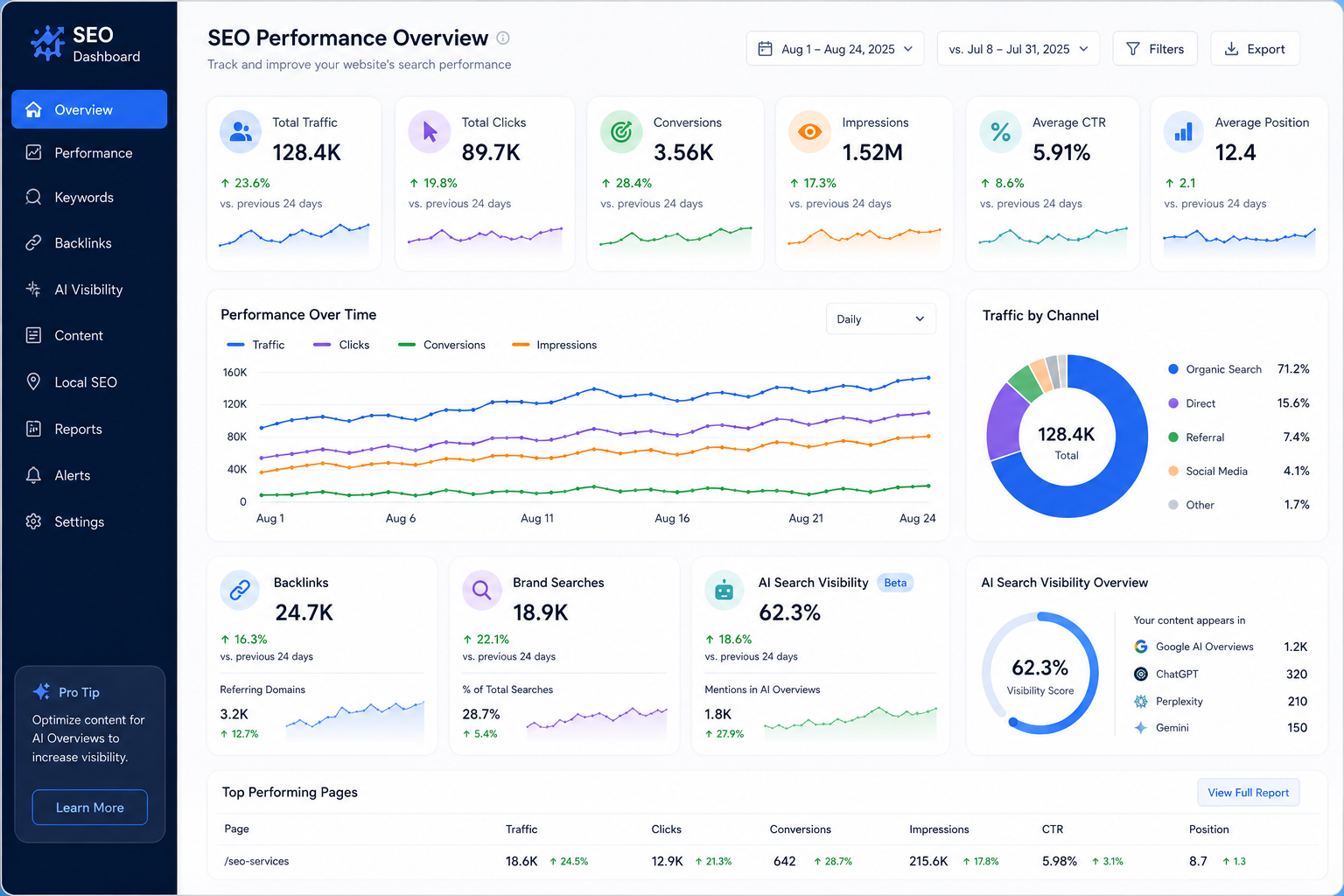
What Should SEO Teams Measure Instead?
Rankings should still be a part of SEO reporting, but they shouldn’t be the only metric. A more comprehensive measurement framework might look like:
- Qualified traffic and organic traffic
- Click through rates
- Search impression
- Leads & Conversions
- Growth in branded search
- Featured snippet placement
- Map view and local pack
- AI Search Results
- Brand mentions and backlinks
- Engagement & assisted conversions
These metrics paint a clearer picture of how SEO is helping the business grow. For example, a keyword might move from rank three to rank five, while organic conversions are rising. Looking only at rankings would suggest poor performance. Looking at the complete picture could reveal that the website is attracting more qualified visitors from a broader set of queries.
SEO Success Is Becoming a Visibility Game
SEO’s future will not be defined by one ranking position. It will be affected by the consistency of a brand’s look and feel throughout the search journey. Businesses need content that answers questions, websites that provide strong experiences, technical foundations that support discoverability and brand signals that establish credibility.
Rankings still provide useful insight. They help identify opportunities, measure progress, and understand competitive performance. But they should be treated as one part of a much larger picture. The real goal is not just to get to number one. It is to be useful, believable, memorable and to be seen when your audience is looking for what you have to offer. In today’s evolving search environment, search visibility is a much better way to measure SEO success than a single ranking position.
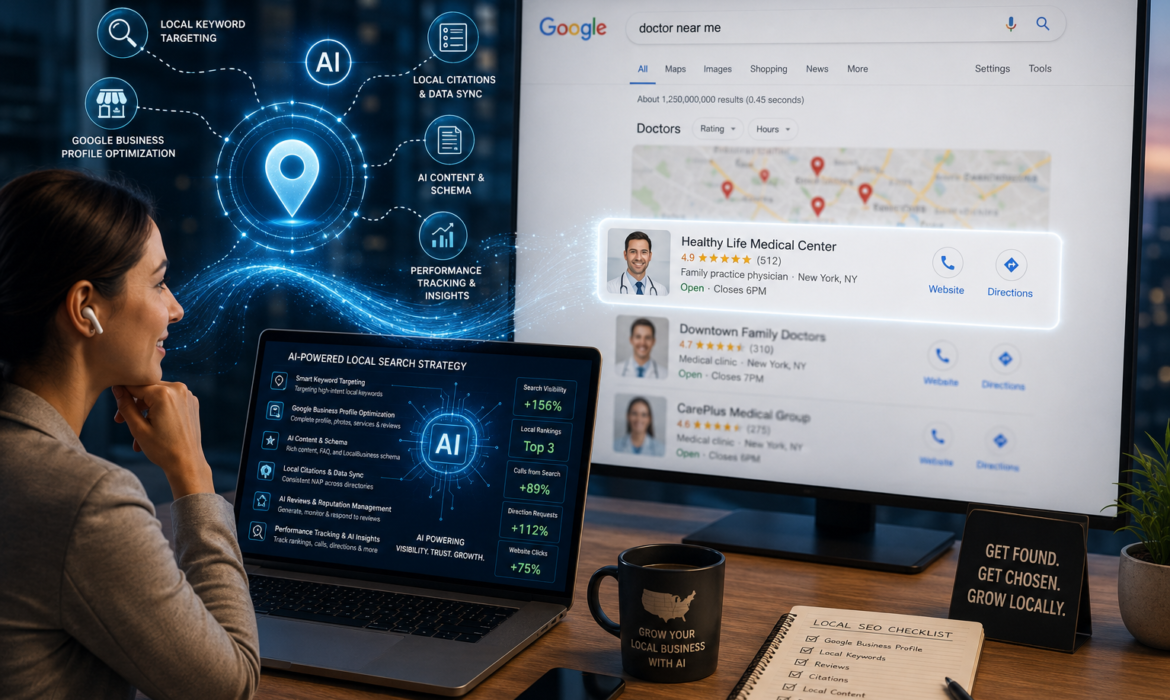
The Role of AI-driven Local SEO in Assisting USA Businesses to Win Google SGE
Google search is undergoing a dramatic shift as artificial intelligence is becoming a bigger part of how people discover local businesses. In the past, a location based query would mainly return traditional blue link results for the user. Today, Google’s AI-enhanced search experiences can summarize what’s out there, compare options and give direct recommendations.
Google initially called this experience Search Generative Experience (SGE). However, technology has now grown into Google’s wider AI search and AI Overviews experience. For USA companies, this change opens up a new opportunity to be seen by users even before they click on traditional search results. AI-driven local SEO helps businesses understand search intent, improve local relevance, organize information and create useful content that AI is able to reliably interpret.
The Shift From Traditional Local Search to AI Search
Traditional local SEO was about rankings, keywords, backlinks, Google Business Profile optimization and proximity. These factors still matter, but AI search adds a whole new level of complexity to the mix. Search engines are increasingly being asked to know what a business does, where it does it, who it serves and why it should be recommended.
AI-driven local SEO addresses this broader need with a combination of classic optimization, structured data, semantic relevance, customer behavior and content quality. Instead of just optimizing only for phrases such as “best dentist in Chicago,” businesses need content that answers related questions organically. What do the services do? Which neighborhoods are included? What makes us unique? All in all, clear answers provide artificial intelligence systems with more robust signals to evaluate local businesses.
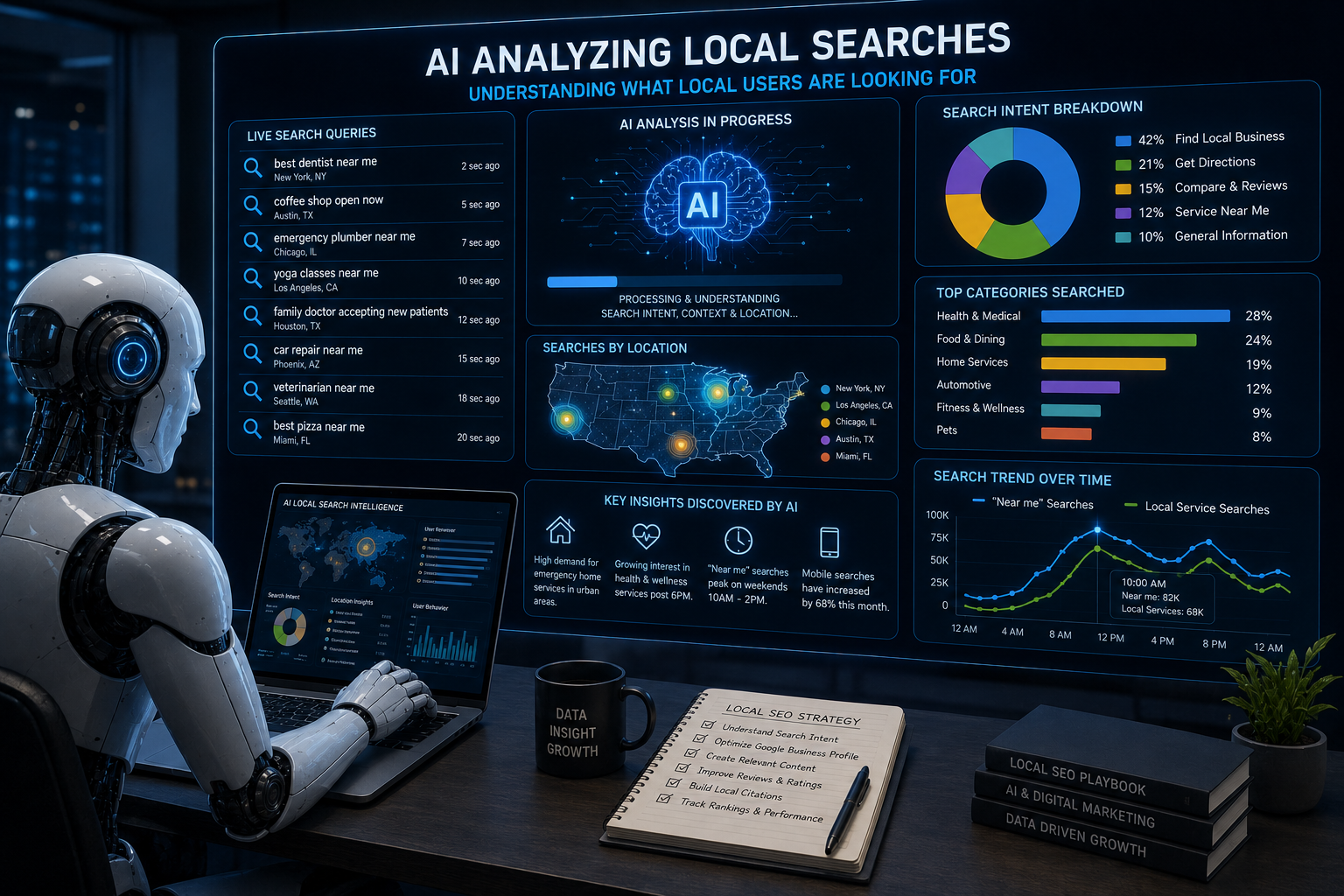
Using AI to Understand Local Search Intent
One of the biggest benefits of AI-driven local SEO lies in its ability to analyze search intent beyond exact keyword matches. Someone searching for “how much does plumbing repair cost in Texas?” has a different need than someone searching for “emergency plumber near me.” Both searches involve the word “plumbing,” yet their expectations are completely different.
AI is able to detect relationships between search queries, questions from customers, competitor content and local trends. These insights can help businesses develop content that actually meets customer needs, rather than just regurgitating the same keywords over and over again. Also, this approach supports conversational searches, which are becoming more important as users ask longer, more specific questions and expect direct, useful answers.
Strengthening Google Business Profile Signals With AI
The significance of a well-optimized Google Business Profile still stands for businesses seeking to reach customers in specific American cities, towns and neighborhoods. But maintaining up-to-date information takes a little more than just adding a business description and a few photographs. AI-driven local SEO is helpful for businesses in identifying gaps in their profile, keeping an eye on customer reviews, monitoring common questions and finding ways to better improve their profile.
Business categories, service descriptions, hours of operation, locations, attributes and frequently asked questions should be consistent across key platforms. Reviews deserve special attention, since they show how customers tell about real experiences. Knowing these patterns can help companies craft their offerings and create content that speaks with a real customer voice.
Creating Content that AI Search Can Understand & Trust
For visibility in AI-powered search, you need content that is genuinely useful, not just content built to appease an algorithm. AI-driven local SEO encourages businesses to build clear, specific and trustworthy resources that answer the questions customers are asking. For example, a roofing company could publish content on storm damage inspections, local roofing regulations, seasonal maintenance and repair timelines.
These topics provide useful context around its core services while naturally demonstrating local expertise. Content should also include relevant locations, service areas, supporting facts and clear explanations without unnecessary keyword repetition. When information is organized logically, AI systems can understand relationships between topics, services, locations and businesses more effectively.

Strong Local Entities and Consistent Business Information
AI search relies heavily on understanding entities and how they relate to one another. A business should never have a single name on the internet. Google Business Profile, directories, review sites, social profiles and other mentions should be saying the same thing on its website. AI-driven local SEO helps make these connections by keeping business names, addresses, phone numbers, services, locations and descriptions accurate across relevant sources.
Search engines can use local schema markup to understand business data in a structured way and provide more context. The goal is to make it easier for search engines to understand precisely who the business is, what it does, where it does business and who it does business with.
Using Customer Reviews as AI Search Signals
Customer reviews can be a useful source of information for potential buyers and for AI-powered search systems. Reviews naturally include descriptions of service, location, experience, staff interaction and particular customer needs. AI-driven local SEO can evaluate these conversations to help businesses identify common themes and understand how customers perceive their brand.
Frequent references to “same-day service” or “friendly staff” could indicate strengths to focus on in website content and business profiles. Never write fake reviews or try to influence feedback from customers. Instead, they should be consistent in delivering good experiences, encouraging genuine reviews, responding professionally and using legitimate feedback to improve not only their customer service but also their digital presence.

AI Search Visibility Beyond Traditional Rankings
Traditional keyword rankings might not be enough to get the full picture of local search performance any longer. A business may rank well across multiple keywords but have limited visibility in AI-generated answers or recommendations. Therefore, AI-driven local SEO requires more comprehensive measurement.
Moreover, businesses should track branded searches, local organic traffic, Google Business Profile activity, calls, directions requests, review growth, feature visibility and conversions. They can see which questions are driving traffic to their website and whether their content is answering those questions well. Over time, these insights show if optimization efforts are helping real visibility. Ultimately, the aim shouldn’t be to chase rankings, but to become a reliable, recognizable and useful local resource.
Prepare Your Business for the Future of Local Search
Google’s AI-powered search environment is reshaping the way people discover and vet businesses across the USA. For businesses that rely on a local customer base, these developments can’t be dismissed as some far-off trend. AI-driven local SEO is a practical way to adapt by combining good local foundations with valuable content, structured data, customer insights and consistent business signals.
This is not about impacting results created by AI. The business must be one that search engines understand and that customers trust. As AI continues to influence search experiences, businesses that build real local authority now will be best placed to gain visibility, attract qualified customers and compete in a more intelligent search environment.
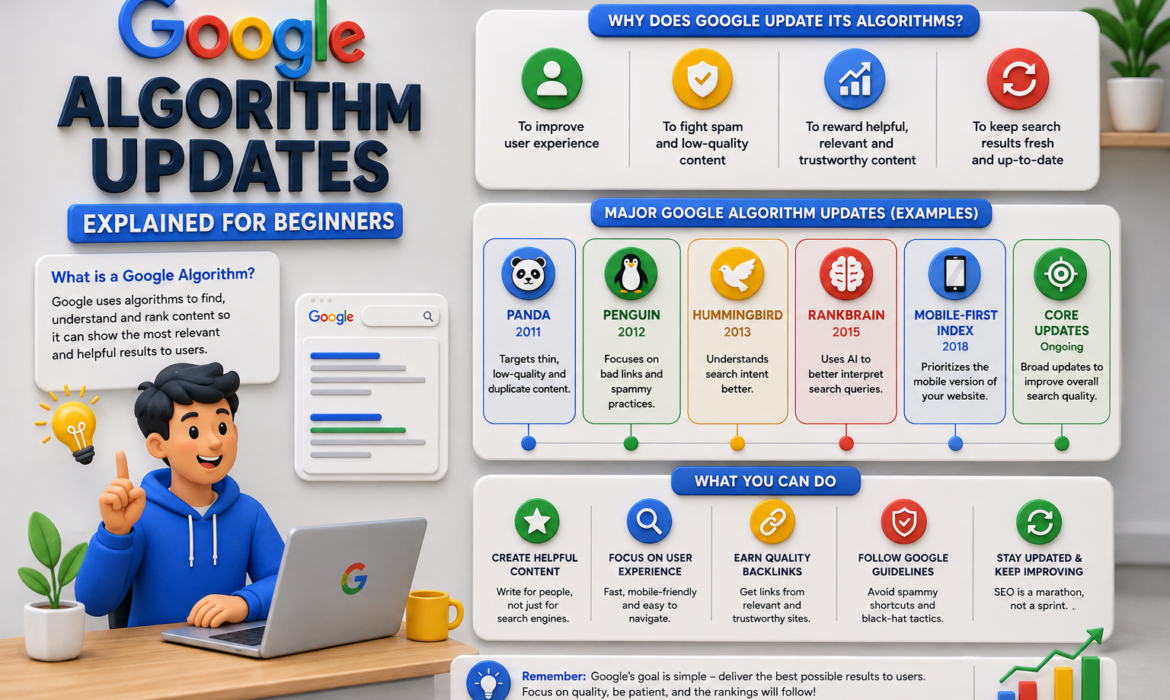
Google Algorithm Updates Explained for Beginners
If you’re just starting out with Google algorithm, then you must understand its working process. The first thing to comprehend is that it’s crucial for search engine optimization and the next if you fail to comply with the algorithm updates, your website might face a penalty.
That’s the main reason to stay updated with Google algorithm update, and to keep your brand site safe, you need to adhere to the trends and implement effective SEO strategies. All of these can help a website get its deserved visibility and increased traffic. Businesses who do not adapt to these changes lose their credibility with Google and rank lower in the search results. All you have to do is to monitor and understand each update and only that way you can ensure a solid presence online. Let’s get started.
Understanding Google Algorithm Updates
Google algorithm updates are changes to the complex code that dictates how the search engine ranks sites in its search results. These updates from Google are aimed at improving the accuracy, relevance and quality of search results for users globally. The aim of this is to improve user satisfaction by showing the most valuable and relevant content. Changes to the algorithms take care of things like manipulative behavior, low quality content and keyword stuffing. The aim is to provide website owners with an incentive to create user-friendly, informative and high-quality content and a fairer, more trustworthy search environment.
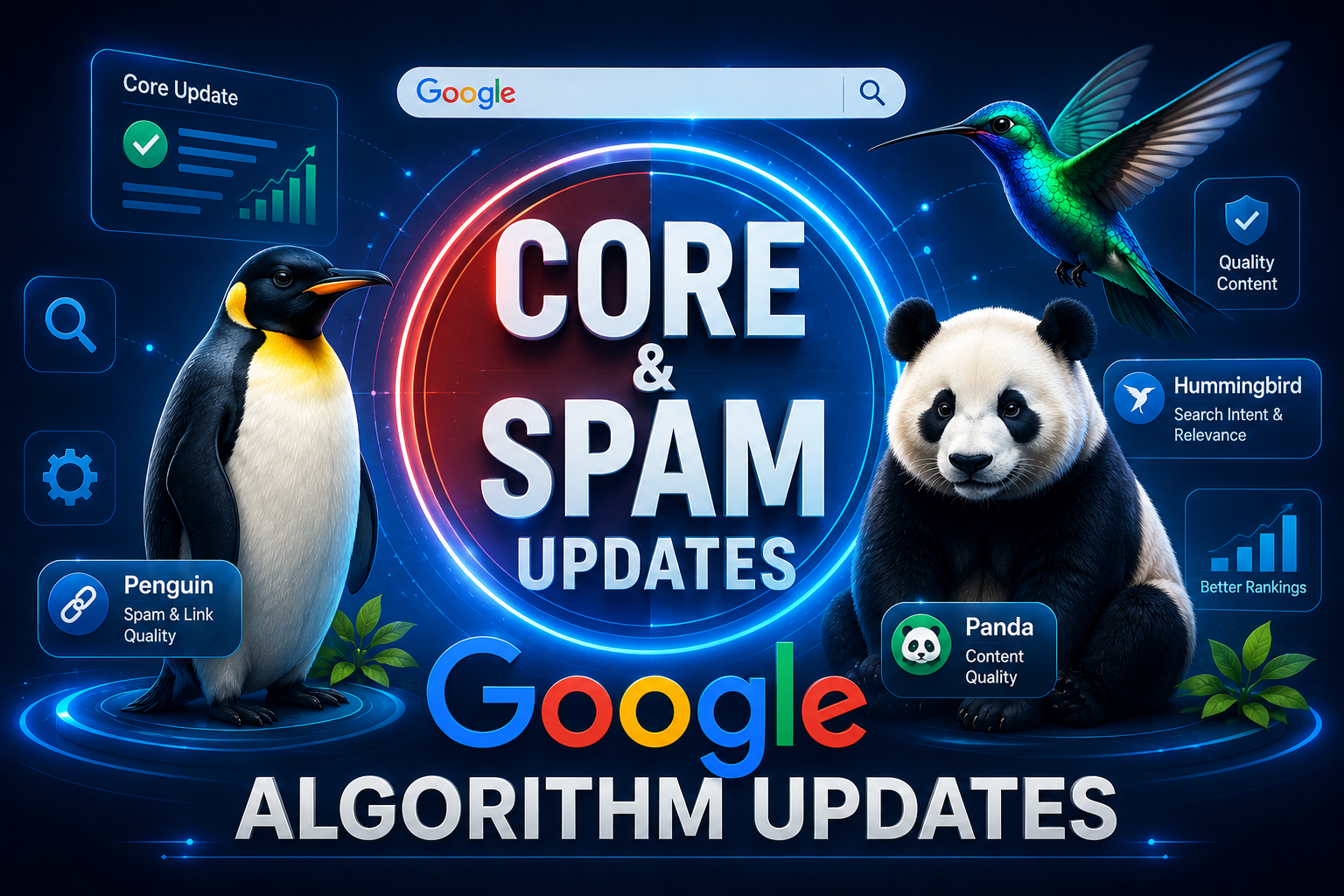
These updates include three categories. Let’s take a look at them:
Core Updates: Core updates are major updates that make major changes to Google’s search algorithm. They want to improve the overall quality of search results . So they analyze how the content is ranking . The updates to the core can influence the rankings of websites and can lead to big changes in visibility in search.
Major Updates: These are the significant updates to the algorithm aimed at improving search quality in specific areas. They tend to be about fixing issues with user-friendliness, mobile-friendliness and spammy content. These updates are important, but they are not as important as core updates.
Minor Updates: Minor updates are small changes that fine-tune specific problems of the algorithms. These may affect some search results or some specific technical issues. The small updates of Google algorithms don’t have a lot of impact, but they are proof of the work of the search engines on user satisfaction.
Knowing about these updates and staying informed about them helps you make any needed adjustments to your website or adapt your SEO strategy to stay relevant.
Google Algorithm
The Google Algorithm updates are of various types:
| Year | Update Name | Date | Duration | Reason (Impact) | Recommended Solution |
|---|---|---|---|---|---|
| 2026 | August 2026 spam update | 18 Aug 2026 | Information | Google’s August 2026 Spam Update targets spammy practices globally and may affect rankings for sites using manipulative or low-quality SEO tactics. | Follow Google’s spam policies, remove low-quality or manipulative content, focus on helpful original content and monitor rankings and Search Console during the rollout. |
| 2026 | June 2026 spam update | 24 Jun 2026 | 2 days, 1 hour | Spam content, AI-generated low-quality pages, unnatural backlinks, cloaking, hidden text, and manipulative SEO practices targeted. | Remove spammy backlinks, delete thin or AI-spam content, strengthen EEAT, improve content quality, perform technical SEO audit, and follow Google’s Spam Policies. |
| 2026 | May 2026 Core Update | 5 Feb 2026 | 21 days, 17 hours | Search ranking shifts, user intent changes | Create valuable content, optimize for AI search visibility, improve entity signals & enhance overall website trust |
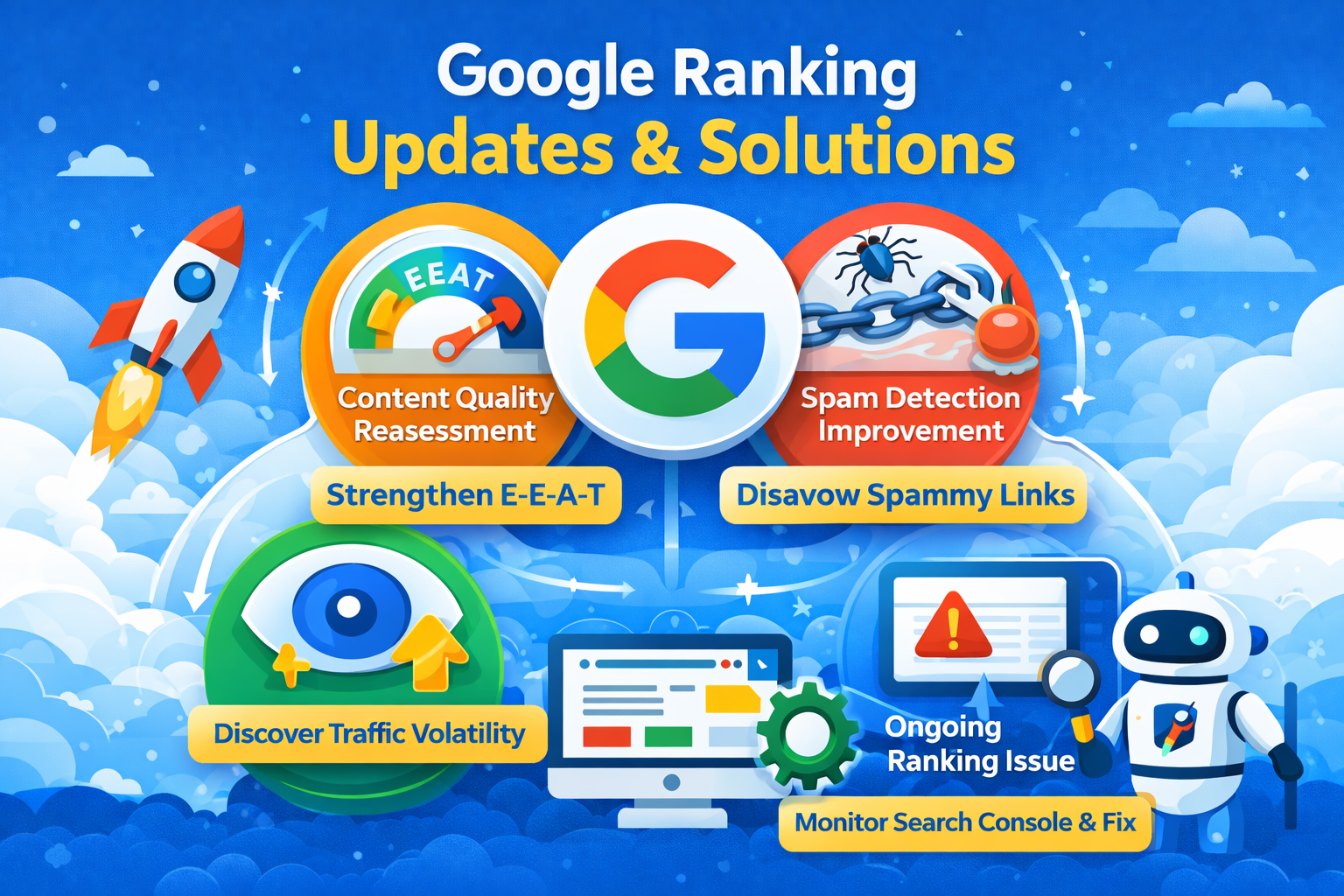
| 2026 | March 2026 Core Update | 5 Feb 2026 | 21 days, 17 hours | Ranking changes, content quality reassessment | Improve E-E-A-T, refresh content |
| 2026 | March 2026 Spam Update | 24 Mar 2026 | 20 hours | Spam detection, low-quality content & links affected | Remove spam links, improve content quality |
| 2026 | February 2026 Discover Update | 5 Feb 2026 | 21 days, 17 hours | Discover traffic fluctuation, content visibility drop | Improve content freshness, CTR optimization, strong featured images |
| 2025 | December 2025 Core Update | 11 Dec 2025 | 18 days, 2 hours | Ranking volatility, content quality re-evaluation | Enhance EEAT, improve content depth & authority signals |
| 2025 | August 2025 Spam Update | 26 Aug 2025 | 26 days, 15 hours | Spammy backlinks & low-quality pages affected | Disavow toxic links, remove thin/spam content |
| 2025 | June 2025 Core Update | 30 Jun 2025 | 16 days, 18 hours | Search ranking reshuffle | Content quality audit & user intent optimization |
| 2025 | March 2025 Core Update | 13 Mar 2025 | 13 days, 21 hours | Algorithm quality adjustment | Improve helpful content & internal linking |
| 2024 | December 2024 Spam Update | 19 Dec 2024 | 7 days, 2 hours | Spam detection improvements | Remove auto-generated & keyword stuffed content |
| 2024 | December 2024 Core Update | 12 Dec 2024 | 6 days, 4 hours | Ranking shifts across industries | Improve topical authority & update outdated posts |
| 2024 | November 2024 Core Update | 11 Nov 2024 | 23 days, 13 hours | Major SERP volatility | Content gap analysis & competitor benchmarking |
| 2024 | Ongoing Ranking Issue | 15 Aug 2024 | 4 days, 11 hours | Temporary indexing & ranking issues | Monitor GSC & technical SEO fixes |
| 2024 | August 2024 Core Update | 15 Aug 2024 | 19 days, 4 hours | Content quality reassessment | Strengthen EEAT & improve user engagement metrics |
| 2024 | June 2024 Spam Update | 20 Jun 2024 | 7 days, 1 hour | Spam & manipulative links targeted | Backlink audit & cleanup |
| 2024 | March 2024 Core Update | 5 Mar 2024 | 45 days | Broad core ranking change | Improve content authority & UX signals |
| 2023 | November 2023 Reviews Update | 8 Nov 2023 | 29 days | Review content evaluation | Add first-hand experience & proof signals |
| 2023 | September 2023 Helpful Content Update | 14 Sep 2023 | 13 days, 11 hours | Low-value AI or thin content impacted | Create people-first, in-depth content |
| 2022 | December 2022 Link Spam Update | 14 Dec 2022 | 29 days | Unnatural link patterns penalized | Remove paid links & improve natural link building |
| 2021 | June 2021 Core Update | 2 Jun 2021 | 10 days | Core ranking fluctuation | Improve overall content quality & site trust |
Algorithm’s Impact on Rankings and Traffic
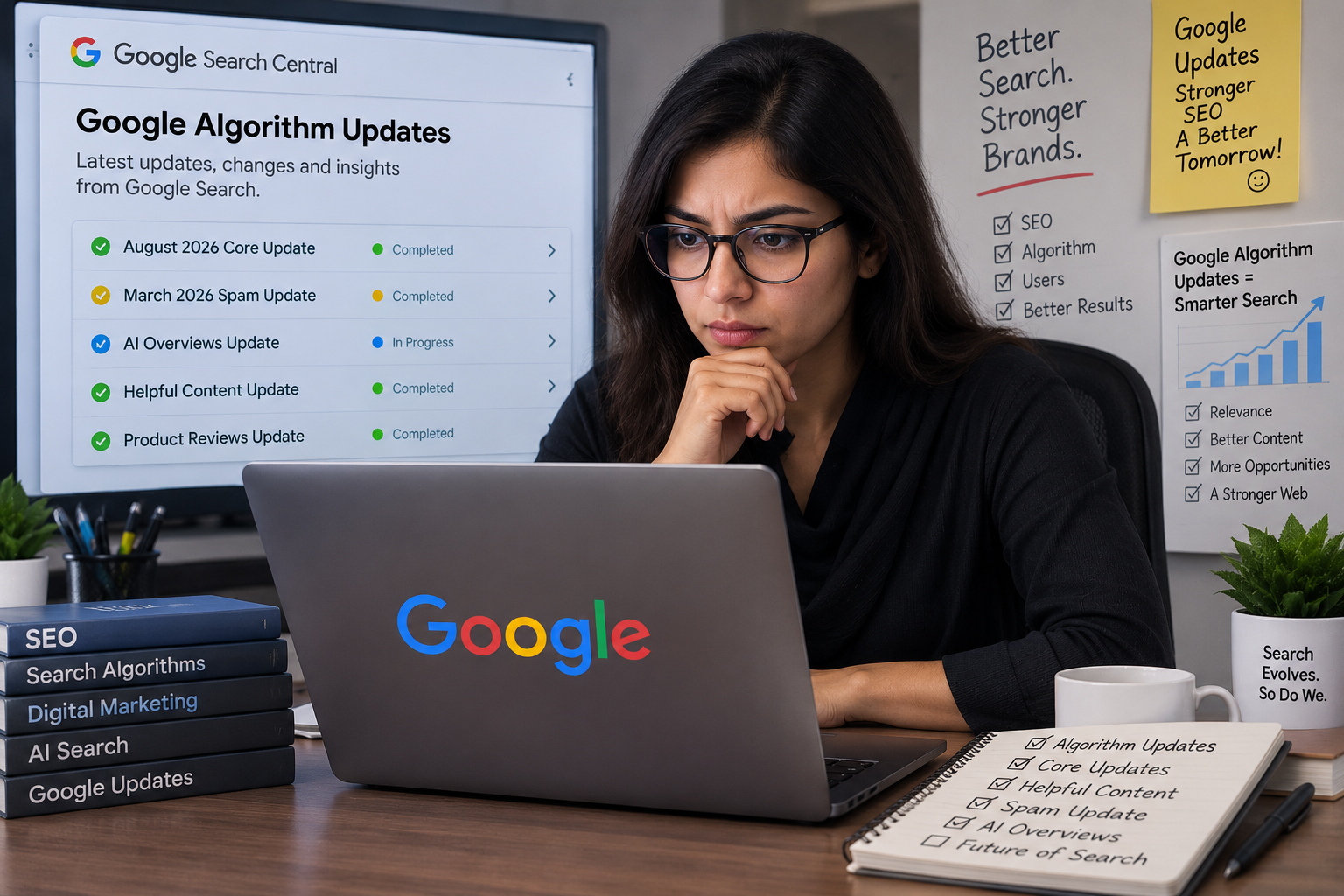
If one thing directly impacts the rankings of websites, that’s algorithm updates. It often creates fluctuations in keyword placements. These alterations influence organic traffic and eventually lead to significant gains or drops. Also, website visibility can be affected, and it can impact the overall exposure and reach to the target audience.
Positive Impact Example:
After a significant update, a luxury products blog that had been diligently producing high-quality content received an improved boost in rankings. The update rewarded the informative and authoritative content, guiding the website to a higher position for relevant keywords. Consequently, organic traffic surged and led to enhanced conversion and engagement.
Negative Impact Example:
The case of a travel website that made use of duplicate and thin content suffered from an immediate drop in rankings due to the introduction of an algorithm change by Google. This affected the poor quality content and caused the website to fall in ranks for keywords relating to travel topics. This eventually led to a reduction in traffic, hence bookings.
These are just some of the many examples that highlight the need for adhering to Google’s guidelines.
Preparing for Updates
If you’re preparing for updates, these are the steps you need to follow:
- Follow Google’s Official Channels: Subscribe to Google Search Liaison and Google Search Central blog to get updates directly from Google.
- Industry Forums and Blogs: Follow SEO blogs like SEMrush, Search Engine Land and Moz to get more insights on algorithm changes.
- Google Search Essentials conferences: Attend industry conferences (BrightonSEO, Pubcon etc.) where you’ll often hear experts discuss upcoming updates and trends.
- SEO Newsletters: Sign up for newsletters from trusted sources to receive regular updates on changes to Google algorithms and various SEO techniques.
- Social Media Groups: Get into social media groups dedicated to SEO, and engage with the experts on the topic.
- Google Search Console: At last, do not forget to check your website’s Google Search Console for any updates.
Once you begin using these resources, you will be able to stay ahead of any algorithm changes and adapt to the new strategy. In addition, it is necessary to constantly study Google Search Essentials to have an efficient online presence and adapt quickly to any algorithm changes. These are recommendations on how to use best practices according to Google standards for user experience, relevancy, and quality. Following the rules allows you to avoid penalties, as well as optimize the site for users’ satisfaction and search visibility.
Monitoring Performance of Your Website
| ASPECT | GOOGLE ANALYTICS | GOOGLE SEARCH CONSOLE |
| Traffic Analysis | Track website traffic, user behavior and engagement metrics | Analyze impressions, search queries, clicks and click-through rates. |
| Audience Insights | Gain geographic, demographic and device-related insights about your website visitors. | Get an idea about the type of users engaging with your site and their preferences. |
| Conversion Tracking | Track goals, conversions and ecommerce transactions. | Check how well your website converts target audiences and which pages contribute most. |
| Page Performance | Evaluate each page load times, user interactions and bounce rates. | Identify webpages with high click-through rates and optimize the underperforming ones. |
| Traffic Sources | Find out from where your traffic is generating, it can be referral, paid or organic. | Discover the sites lining to yours and how effective the channels are. |
| Keyword Analysis | Monitor organic keywords driving traffic and their performance. | Observe which search queries are leading users to your business website and their rankings. |
| Technical Issues | Highlight technical problems affecting site performance and usability. | Receive alerts about security concerns, crawl errors and mobile usability issues. |
| Indexing Status | Check how Googlebot crawls and indexes your webpages. | Confirm that Google is properly indexing the pages and identify any type of indexing issues. |
| Mobile Compatibility | Monitor your site performance on mobile devices and resolve related issues. | Make sure your website is mobile-friendly and solve the mobile usability problems. |
Following this process helps in comprehensive monitoring, allows you to optimize your site’s performance and align them with your goals properly.
The tracking of important metrics is essential in understanding the effects of Google algorithm changes on your website. It all starts by checking the changes in organic traffic because the organic traffic shows how visible your website is and how appealing it is to your targeted audience. If there are sudden drops in organic traffic, then it could mean that you have lost rankings because of the changes in the algorithm.
What Does a Drop Means?
A drop in this will mean that your content has become irrelevant to the user’s search. Finally, keep track of the keyword ranking. If you observe that there is any change occurring in the keyword ranking that is crucial for the ranking, then it means an algorithm update.
Through continuous monitoring of the above metrics, it is easy to modify the SEO strategies in case there is an algorithm update by Google.
Analysis of Algorithm Update Impact on Your Business Website
In analyzing the impact of an algorithm update on your business website, a good approach will be:
- Regular Optimization: Make sure to improve your content and SEO strategy through the details you received from the updates.
- User Engagement Metrics: Test the metrics, which must include conversion rates, bounce rates and the time visitors spent on certain webpages
- Backlinks Analysis: Check the changes in specific backlinks, their quality as low-quality links can affect your website’s rank on the result pages.
- Content Analysis: Check your website content for quality, proper user intent and relevance to user queries. Modify your content based on the criteria from Google’s new algorithm updates.
- Technical Audit: Go through the technical issues that might have been the reason for negative impacts, such as mobile usability problems and slow page load times.
- Compare Industry Trends: Compare your website’s performance to bigger industry trends. If you notice similar changes across the board, it’s likely due to an algorithm update.
- Isolate Affected Areas: Analyze the pages or sections of your site that experienced the most changes. This helps pinpoint where the update has the most impact.
- Identify Trends: Monitor crucial shifts in metrics. A sudden drop or spike indicates potential algorithm impact.
- Post-Update Monitoring: After the release of the update, monitor the same metrics during a certain period of time, typically several weeks.
- Pre-Update Benchmarking: Prior to updating, collect important metrics like rankings and conversions for benchmarking purposes and organic traffic.
Keep in mind these factors and it will help you understand the impact of algorithm update and make required shifts to grow the performance of your site.
The Algorithm update impacts keywords and web pages and is characterized by:
- Track Keyword Rankings: Observe the impact on keyword rankings with tools like Moz, SEMrush, and Google Search Console.
- Segmentation: You may separate the pages or keywords of your website into different segments, based on different themes or categories.
- Traffic Analysis: Look for traffic shifts in Google Analytics and look for those keywords and pages that have seen a major drop or bump in traffic.
- Landing Pages Review: Landing page review, organic traffic changes greater than 10% This is because these landing pages are going to be heavily affected by the google algorithm update.
- Relevance of website content: Check if website content is relevant to the search queries it is targeting.
- Review Landing Pages: Analyze the landing pages that had the biggest changes in organic traffic. That’s because these landing pages are affected by the update.
- Search Queries Check: Check the “Queries” report in Google Search Console to see the search queries that had a change in rank, clicks or impressions.
- Competitive Analysis: Conduct a competitive analysis of your traffic changes and ranking versus the performance of your competitors so you can understand what is happening in the industry.
- User Engagement: Verify user engagement metrics like conversion rate, time on page and bounce rate for these web pages. Bad engagement means bad web pages.
- Verify Penalties: Verify from Google Search Console whether there are any manual actions or penalties applied to those particular web pages.
- Content Quality: Check how good the content is in terms of various factors including relevance, accuracy, originality and comprehensiveness.
When you combine data from these steps, you can figure out the pages or keywords that were most impacted by the Google algorithm updates. This information helps you with the strategies for optimization and overall recovery.
Recovery Strategies
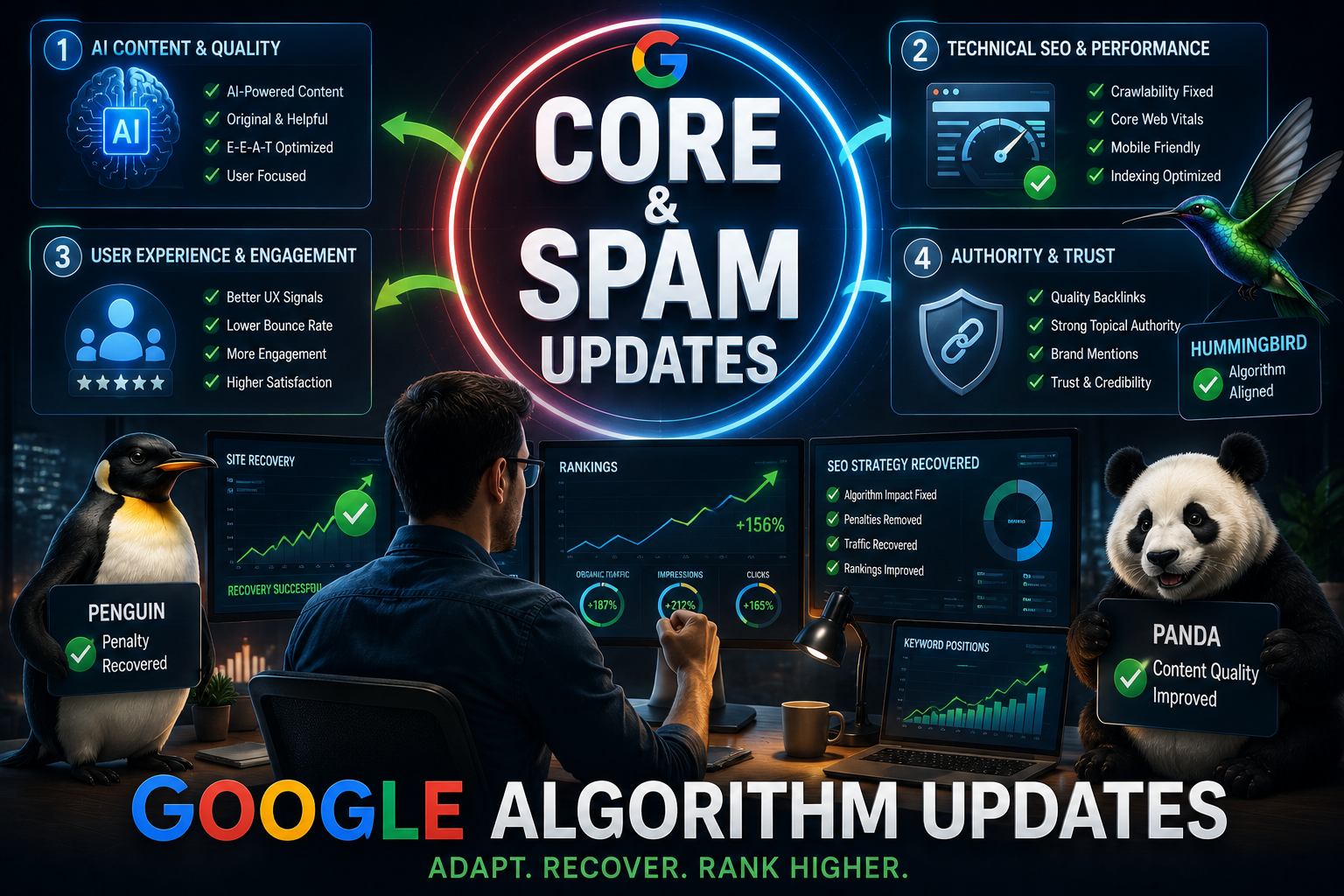
How can you recover from the bad effects of a Google Algorithm Update?
- Quality of Backlinks: Check the quality of your backlinks and eliminate the spammy and bad-quality backlinks. It is very important for you to build high-quality and relevant backlinks.
- Usage of Schema Markups: Use schema markups so that you can provide more information to the search engines and help them to understand the content of your site better.
- Improvement of Content: Review the correctness, relevancy, and accuracy of the affected content due to the Google penalty and improve it.
- Improving User Experience: Enhance the usability and accessibility of your website.
- Technical Audit: Analyze what are the technical issues like broken links, mobile-friendliness, etc. Solve all these problems immediately to improve user experience.
- Regularly Updating Website Content: Ensure that you update the content of your website regularly.
- Website Optimization for Mobile Devices: Make your website mobile-friendly because Google favors mobile-friendly websites.
- Different Forms of Content: Use different forms of content such as podcasts, infographics, videos to make the user experience engaging.
- SEO Strategy Safe from Google Algorithm Changes: Make use of a comprehensive SEO strategy that follows everything related to SEO according to Google guidelines.
- Realignment of Keyword Strategy: It is time to reassess your keyword strategy. Pay attention to the use of long-tail keywords and user intent.
By following these strategies, you will be able to lay down a solid base to overcome any negative impact and make your website future-proof.
Adapting to Changes
Adjustments in response to algorithm changes and SEO techniques are crucial in maintaining online presence and success. The search algorithms of Google are always changing in order to provide the best user relevance and experience. Failure to do so will definitely result in huge losses in terms of conversion, traffic and rankings.
It is only through adaptation that your business website can keep up with the latest trends in search engines. It helps in obtaining new opportunities, adapting to the latest trends and meeting the changing needs of users. In the end, companies that keep on adjusting their SEO strategies to suit the new changes in algorithms are more likely to prosper in the dynamic world and grow.
Relevant content, mobile optimization and great user experience are some of the important things for successful SEO.
- User Experience: Good and easy-to-use user experience is what retains the visitors and lowers the bounce rate, showing high quality to search engines. The fast loading speed, good navigation and well-designed call to actions will result in positive user experience.
- Mobile-Friendliness: With the fact that mobile devices drive the largest part of traffic on the web, mobile-friendliness is of critical importance. Google prefers to rank those sites that are mobile-responsive.
- Quality Content: Information-based content that educates and informs users and helps solve user problems becomes authoritative, builds trust with users and earns backlinks. It also improves dwell time, social sharing, engagement and helps improve ranking.
- The above points when combined together become the recipe for an effective Google Algorithm resistant strategy. Adapting to changes in algorithms and continuing to deliver value and user experience becomes key to user satisfaction and ranking.
Final Thoughts
Google algorithm updates information is crucial in case one is setting up a new business and aims at having their website ranked on all search engine result pages. The information will help one be ready for any upcoming updates. This will make sure that your website is always safe from penalties and gives good returns on investments. Even if you are still having concerns about Google updates, do not hesitate to turn to One Design Marketing Technologies and we shall take you all the way to success. Let us use our industry approved practices and optimize your brand website.
FAQ
What are Google algorithm updates?
This is a change to the ranking systems which Google uses to assess, organize and display in the search result pages. These updates ensure that there are more user-relevant and reliable search results.
How to check Google updates?
Begin with the Google search status dashboard. It has the lists of official rankings, rollout dates and completion details. You can also go through Google search central blog for deeper search announcements. Once you get the update dates, check if there’s any traffic decrease because of an update.
How often do I get to see an update?
Google releases these updates almost regularly. However, smaller changes aren’t declared because they are not noticed widely. Major updates happen several times a year. Spam and other ranking details may happen at different times of the year.
How do I recover from Google algorithm updates?
Review affected webpages, refresh content, improve content quality, make sure of the search intent, make your website mobile and user friendly, fix the backlinks and remove the ones that are affecting your site. Also, fix the page load time and other technical issues. For core updates, wait for a week before making the final decision.
What’s the latest Google algorithm update in 2026?
On Aug 18, 2026, Google launched a spam update. It is a Big update, nothing major, mainly focused on improving spam detection policies and identifying violating content on websites. It follows other notable updates released earlier this year, including the June Spam Update and May Core Update. The update was completed on June 26, 2026.
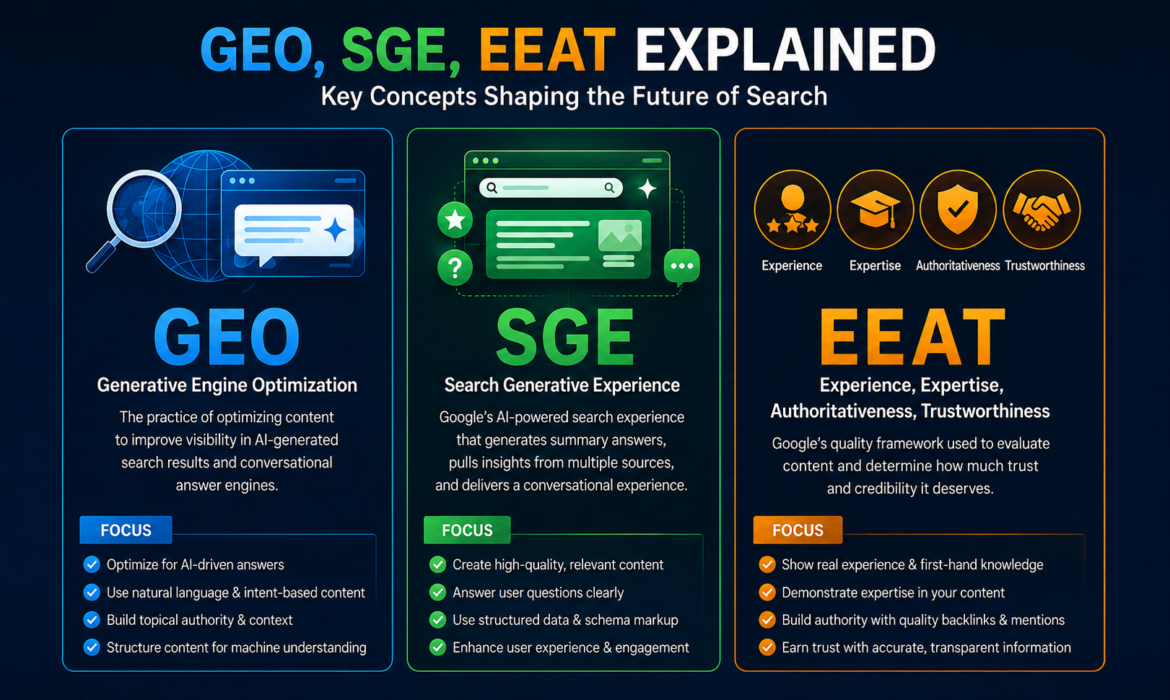
AI SEO of 2026: How GEO, SGE and EEAT are changing Google Rankings in the USA
The search engine system keeps evolving and traditional SEO isn’t the only factor that can give your brand the boost it deserves. In this digital era, AI SEO emerges as the new hero in the realm of efficient marketing strategies. Users today find the answer to their buying journey easily from the answers of AI Overview. The conversational tone of the artificial intelligence makes it easier to find the right solution for each query.
If you want to harness this power of AI, it’s important to understand how GEO, EEAT and SGE works for your website. With these when your target customers search for a relevant product and service, they will get a summary where your brand will be mentioned. This will enhance the click-through-rates and you will get more traffic and ROI.
In this blog, we have seen how GEO, SGE and EEAT influence Google rankings in the USA and how AI search is working. Let’s get into it.
Search Result Evolution in 2026
The way of searching results has changed from good keywords to answers from AI over the last few years. Nowadays people tend to ask complicated queries like “Which SEO agency provides the best AI SEO services in the USA?” instead of simple queries that they used to do in the past. The AI system of Google analyzes authority, context and intent to give a direct answer.
According to some Case studies, AI searches provide immediate responses and hence, there are less number of clicks to the web pages since the users get all the information from the search engine itself. Some other research says that CTR has fallen to 61% due to the popularity of AI Overviews.
Another study showed that 58% CTR falls once the AI-generated summary comes in the results of the search. This means better visibility in the AI answer and it has become more useful than normal rankings.
Understanding GEO, SGE, EEAT and More
These are the key elements of AI SEO in the current digital world. The top-notch services use the power of GEO, SGE, and EEAT to give their clients a boost in ranking. Here are the brief descriptions of these platforms:
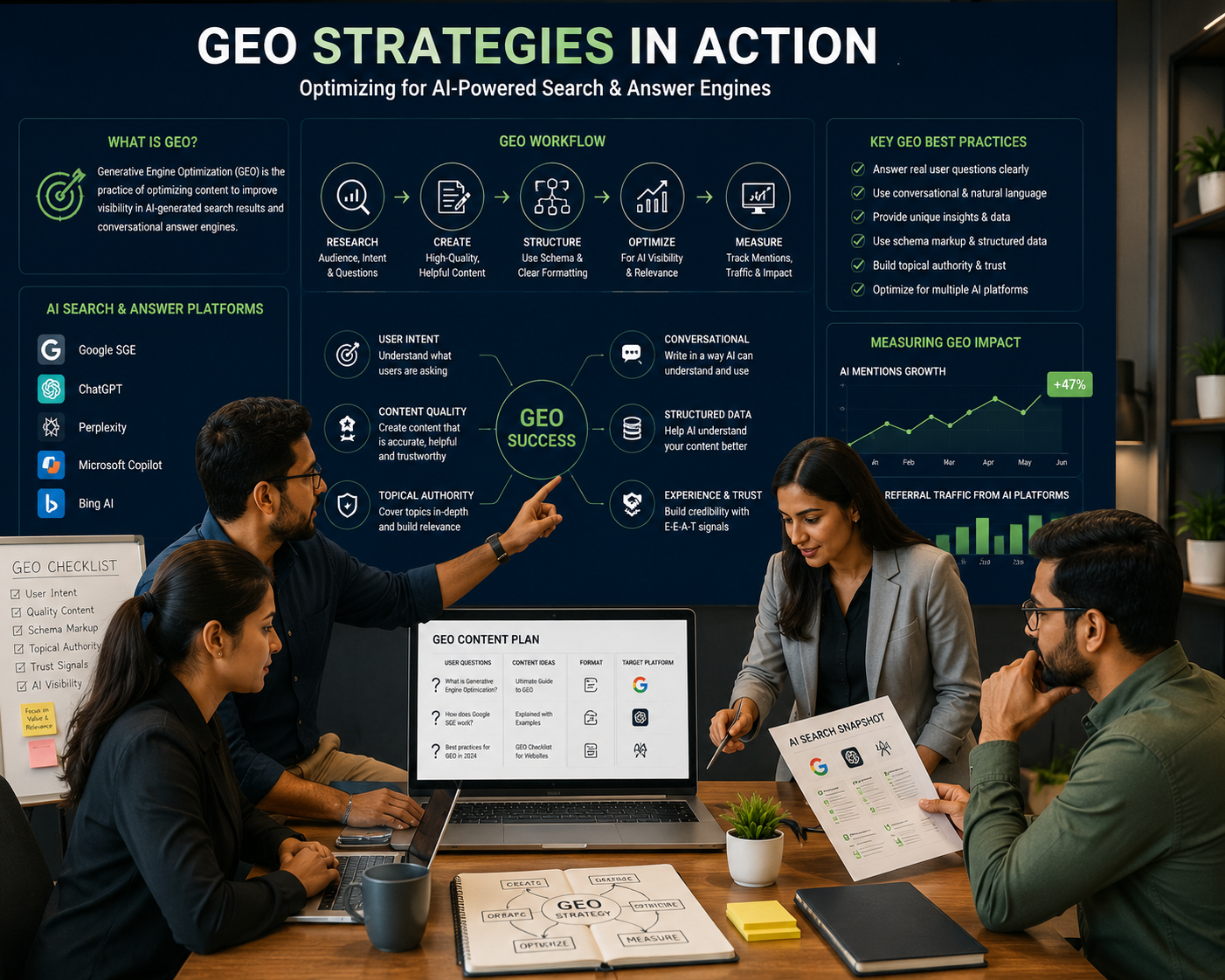
Generative Engine Optimization (GEO )
Generative Engine Optimization (GEO) means optimization of the content that requires citations from AI platforms such as Claude, Gemini, Perplexity, ChatGPT and Google AI Overviews. Search engine optimization helps to rank websites in order to appear higher in the search engine result page in the form of blue links. GEO, on the other hand, optimizes your website in such a way that it appears in the answer of AI.
The Latest Essential Part of GEO
GEO is the latest and an essential part of AI SEO. The study by Georgia Tech Research and Princeton University reveals that AI SEO strategies enhance visibility and reactions up to 40%. It is also important to know that Generative Engine Optimization is not an alternative to regular SEO. It provides an additional level. The brands that perform well in terms of GEO in 2026 are the ones with a strong foundation of SEO. Furthermore, it provides citations, structure and data richness that SEO doesn’t provide.
Answer Engine Optimization (AEO)
Answer Engine Optimization (AEO) is a technique of providing answers to certain questions in an AI-friendly way. AEO was initially used to optimize the results of voice searches; however, it gradually became applicable to other types of AI-generated answers, such as Featured Snippets and Google AI Overviews.
The main concept behind AEO is providing an exact answer to a given question, which will be comprehensive enough to contain all the details needed in one or two sentences. The content provided by AI contains answers that do not need any further explanation to be understood.
AI-Assisted Traditional SEO
AI technology is changing the face of traditional SEO. Using AI technologies, companies can receive top-performing keywords in just a few hours, instead of days. Content gap analysis has been automated to the extent that there is no need for a manual review. Technical SEO audits could only be performed by specialists; however, nowadays, they can be done using AI technologies.
The core idea of this is that the tasks which consumed much time are now performed in just a few minutes. The AI tools manage the automation of these processes, and people get to focus on creative processes and strategy development.
Search Generative Experience (SGE)
The revolutionary change in the realm of AI SEO is Search Generative Experience (SGE) as it transforms the interaction of users with the search results. With the use of SGE, users can get the summary of what they are searching for, and there are links to the credible sources which they need. There is no need to spend many hours on finding the right products on Google search results anymore.
Businesses who want their brand mentions in AI summaries must build authority with improved site optimization so Google understands and recognizes their content, not just to rank it but to display it in the answers. Working with a reputed SEO company can help you achieve that authority in AI SEO and shape how your brand is visible on the internet.
EEAT Signals
Google’s EEAT framework (Experience, Expertise, Authoritativeness and Trustworthiness) is a significant part of AI-generated content. The search engine needs signals that distinguish useful content from AI fluff, and EEAT ensures that distinction is done properly.
Practical EEAT signals include case studies, first-person experience, original research and data, author bios with verified credentials, a proper company identity, expert quotes and citations.
How AI Search Systems Work
Planning to optimize your brand website for AI search? Before you do, it’s crucial to understand how AI systems retrieve and cite content. Most production technologies use a Retrieval-Augmented Generation (RAG) pipeline.
Crawling and Indexing
AI search systems and index web content, similar to traditional search engines. If your site cannot be crawled, it will not get indexed and AI platforms cannot cite it. This makes for technical SEO, sitemap submission, page speed, robots.txt and crawlability a primary requirement for AI SEO.
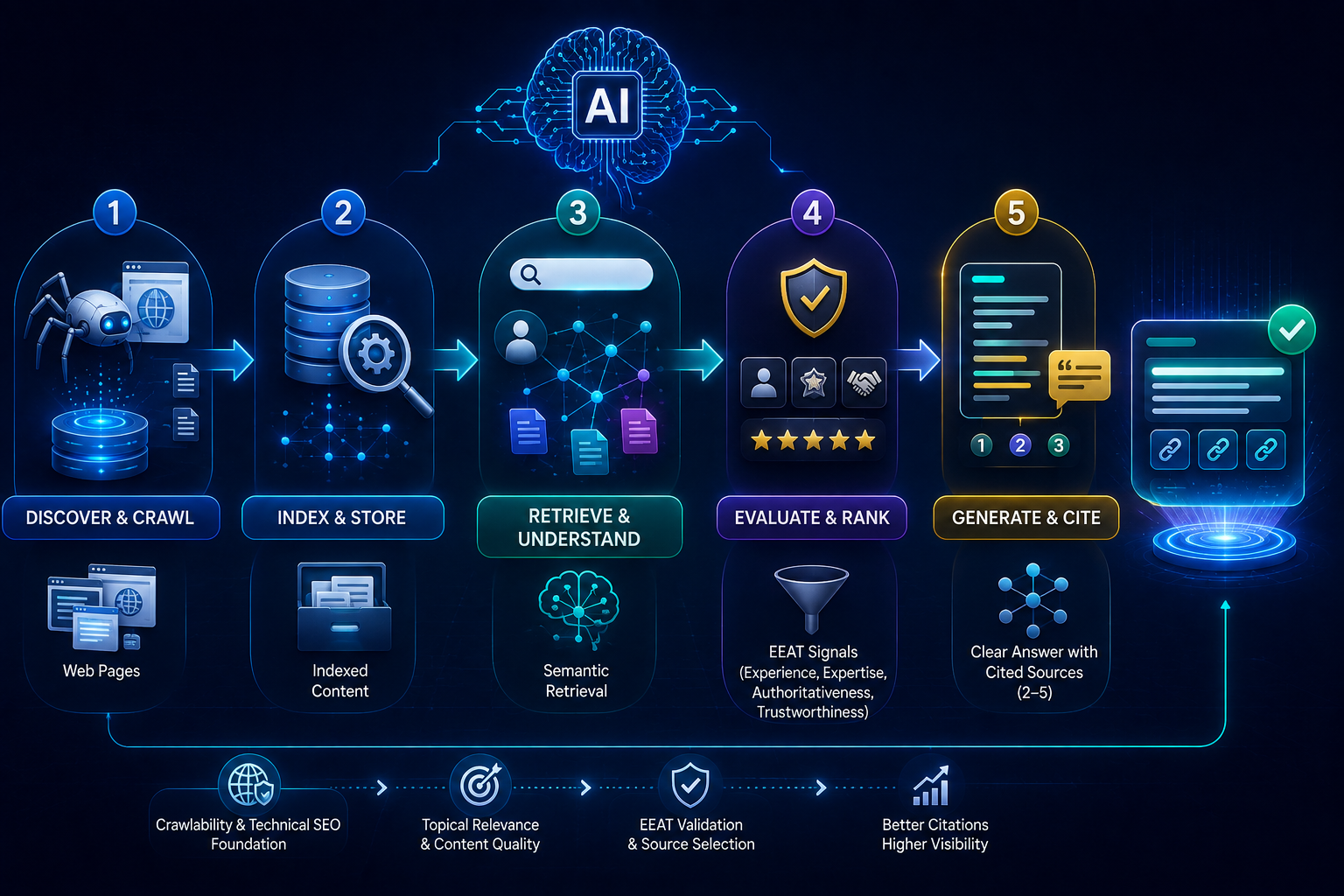
Semantic Retrieval
When a user submits a query online, the AI system selects the most semantically relevant passages across indexed content. This isn’t keyword matching, but understanding the meaning of the query and the content. AI systems look for better alignment, relevance and topical depth with user intent.
The EEAT signals check the relevancy of the sources. It goes through the demonstrated experience, corroborating authority, explicit expertise and consistent trustworthiness. The system then selects two to five sources to cite to the user, and it provides direct and citable replies only with clear structure.
Answer Generation and Citation Selection
The AI models select information from sources that offer a coherent answer. The sources it cites that offer the best authority, have a clear structure and are directly relevant to the specific user question. The selection of two to five cited sources is the result of GEO efforts.
The Island Test
This is the most important GEO concept, the Island Test drawn from Princeton-led GEO research. It addresses how AI systems select content. Passages that are semantically complete and can stand alone without context from other text provide clearer embeddings and align with user queries perfectly.
This suggests that every paragraph and every section of the content must answer a question without the reader needing to have read what was before it. If a passage starts with “as mentioned before,” it fails the Island test. It only passes the answers that open with a direct and complete approach.
SEO companies perform this text with site content to test whether it could stand alone as a useful answer to a query. If it fails, they restructure it until it passes the test.
Final Thoughts
Traditional metrics such as rankings and traffic aren’t enough. Businesses in the USA are now focusing on essential KPIs that include brand mentions, conversion rates from organic search, AI Overview citations, engagement metrics and AI answers.
Google AI search features are shifting how information is discovered online by buyers. AI Overviews provide direct and immediate answers and that’s why the SEO system is evolving into AI optimization.
To get better SEO success in 2026, your business, whether it’s in the US or any other part of the world, must focus on authority-based content, optimize for AI summaries, maintain strong technical SEO and build brand credibility across search engines.
Looking for a reputed SEO company? Let One Design Marketing Technologies help you in your success journey. Work with the best team and create trustworthy, AI-readable and structured content.
FAQ
How can brands improve visibility in AI-generated search results?
Brands can achieve it by creating well-structured and conversational content that directly answers user questions. Improved authority and consistency across digital platforms also helps AI engines understand credible sources.
What’s the difference between generative engine optimization (GEO) and traditional SEO?
Regular or traditional SEO focuses on improving website ranking on the search engine results. GEO, on the other hand, concentrates on helping AI systems identify and mention trustworthy sites in its responses.
How do AI-powered search engines determine which content to suggest to the users?
AI engines evaluate the authority, expertise, relevance and trustworthiness of content. They also consider consistency of information across brand mentions, platforms and sites.
How do I prepare my business for the future of AI-powered search?
To make your business future-ready for AI searches, you need to build strong topical authority and publish unique and updated content. Maintaining consistency across multiple platforms helps improve long-term visibility on AI results.
What schema markup is crucial for AI SEO?
FAQ page schema is the highest-impact schema type for generative engine optimization, because it structures your content perfectly. Article schema with genuine author and data markup establishes content authorship and uniqueness.
What’s the difference between GSO, AEO and GEO?
Generative engine optimization (GEO) refers to the practice of optimizing content for AI-generated answers. Answer engine optimization (AEO) focuses on formatting content to be pulled into single-answer responses. Generative search optimization (GSO) is used interchangeably with GEO, though some SEO services use it to describe optimization processes for a specific AI platform.
Should a brand handle AI SEO in-house or join an SEO company?
Many businesses start with in-house, but AI SEO strategy requires ongoing monitoring of the way LLM SEO signals changes across platforms such as Google’s AI Overviews, Perplexity, Gemini and ChatGPT. A specialized SEO company offering industry-approved AI SEO typically has the advanced tools and experience to track these shifts and create content accordingly better than an in-house team.
How does ChatGPT optimization differ from SGE optimization?
ChatGPT optimization relies heavily on training citation-worthy content and data patterns. Optimizing for search generative experience, on the other hand, is closer to regular SEO combined with structured data. Google’s system draws content from its live index and existing ranking list.
Do PPC services fit into an AI-powered engine optimization strategy?
PPC services drive instant visibility through paid placements; they also generate valuable data that helps users. Businesses can use those insights back into their AI SEO strategies, creating organic content so it matches the same high-intent language that performs well in paid campaigns.
Why does SXO matter for AI SEO?
Search experience optimization (SXO) combines search engine optimization with buyer journey factors such as easy navigation, content clarity and page speed. AI-powered optimization ranks content that offers user satisfied clicks, since the engagement signals help AI systems source reliable answers, strengthening its credibility for future citations.
What is Search Engine Optimization? Guide to Beginner’s SEO
What’s the first thing you do when curiosity hits the back of your mind? Well, I share it with Google before it overpowers my brain cells and makes me pull out my hair. That’s exactly what search engines do; they help us discover places, people, products, services and lots more with a single click of a button.
And all this information comes from websites. But with hundreds of websites covering similar information, what are the odds that users will click on your website? What you may need is search engine optimization (SEO) to bring relevant visitors to your website. What else does SEO offer to online businesses? Here’s your guide to SEO for beginners.
What is SEO?
Search Engine Optimization (SEO) is the technique used by brands to improve their website’s visibility across search engines. A good SEO strategy helps businesses bring organic traffic, increase conversion rates, improve ROI and build domain authority over time.
SEO begins with using high-volume, relevant keywords in your website content so that when a user searches for those keywords, your website appears in the search results. However, for your website to rank higher on the SERPs, you need to make your website SEO-optimized.
Why is SEO Essential?
Here are the major benefits Search Engine Optimization offers to brands.
- Improves Search Visibility: SEO makes your website discoverable to your target audience searching for related queries.
- Brings Organic Traffic: SEO improves your website’s search visibility, thereby bringing more qualified traffic to your page.
- Generated Qualified Leads: SEO not only attracts more visitors but also helps convert them into successful buyers by pursuing them effectively.
- Builds Brand Credibility: A website with a Strong SEO strategy is highly trusted among both search engines and its visitors.
- Facilitates Long-Term Business Growth: While paid ads deliver quick results, SEO takes time to build organic visibility for your business, contributing to its long-term growth.
Understanding Working of Search Engines
To understand how modern-day SEO works, it’s essential for all businesses to first familiarize themselves with how search engines work.
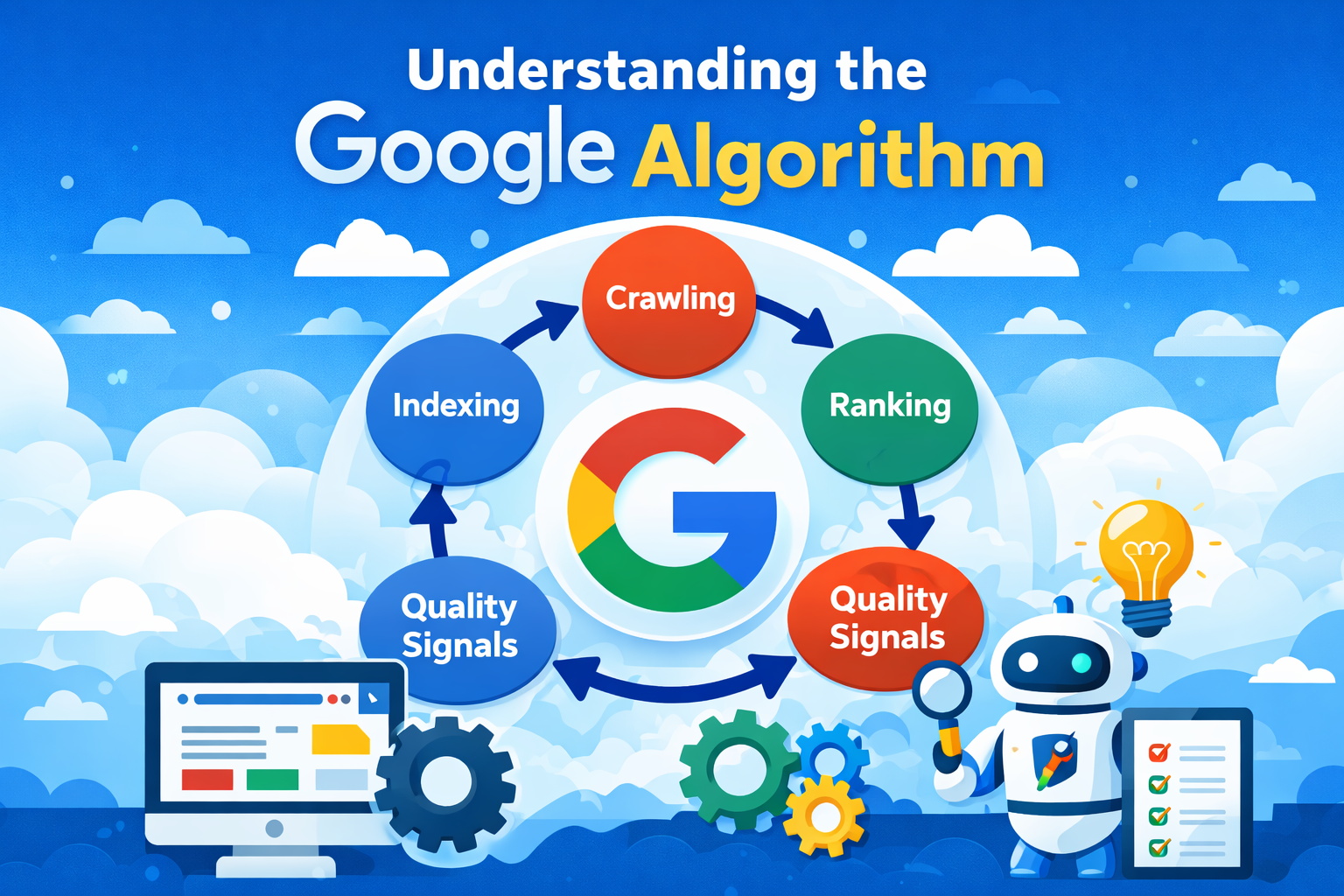
- Crawling: When a user submits a query, search engines crawl through multiple website links, searching for recent content.
- Indexing: Search engines index information about the websites and pages listed in the SERPs.
- Ranking: Websites are then ranked on the basis of their content relevance and ease to understand, which determines how they rank across search engines.
What are Different Types of SEO
Let us now look into different types of search engine optimization techniques businesses can use to optimize their websites.
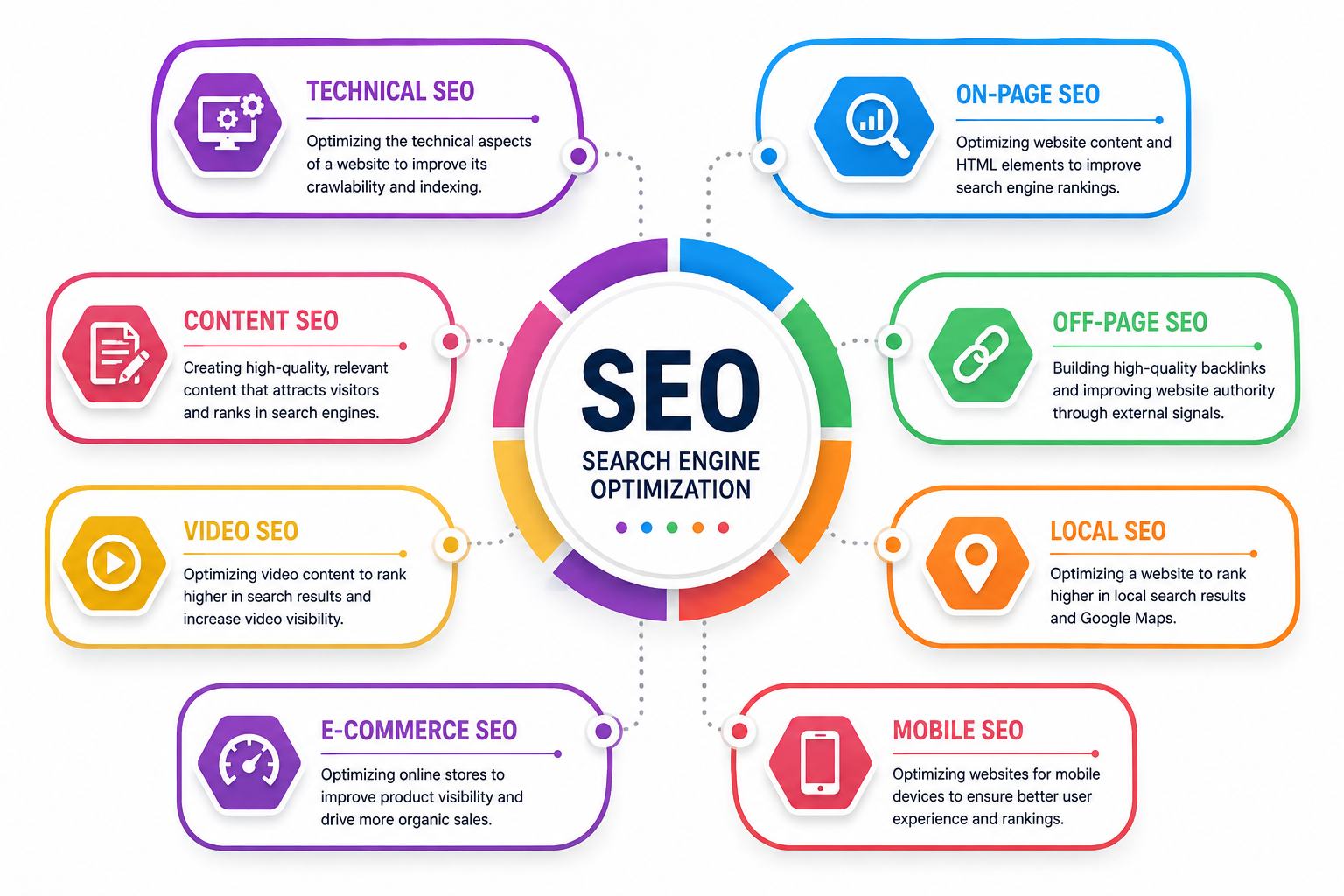
- On-Page SEO
Here, you optimize different elements of your website, such as titles, headings, meta descriptions, keywords, URL structure and internal links. Apart from these, every landing page is also optimized for content structure and quality along with images and alt text. This formatting helps search engines categorize information on your website easily.
- Off-Page SEO
It involves optimizing elements outside your website to influence its performance. It involves link building using trustworthy sources, brand mentions, content outreach, digital PR and relevant citations.
- Technical SEO
Technical SEO addresses issues related to your website speed, crawlability, broken links, XML sitemaps, indexing and even mobile accessibility, thereby making your website more accessible and understandable for search engines.
- Local SEO
Local businesses that wish to target specific geographic locations must go for local SEO-based keywords, such as ‘restaurants near me’ or ‘PPC services in the USA’, etc. You can boost local SEO using local keyword research, Google Business Profile optimization, location citations, location-based pages or content and online reviews.
- Content SEO
It is a form of SEO practice in which the website content is optimized to fulfil the user;s search intent. Adding high-ranking keywords is not enough. Your content must be clear, authentic, engaging, meaningful and organized logically.
- E-Commerce SEO
Want to make your products and services discoverable in your online store? Start with product keyword research, add product descriptions, fix technical SEO, add internal linking, fix website navigation and perform category & image optimization.
What is SEO Keyword Research & How to Perform it?
Keyword research simply means identifying those words or phrases that your target audience searches for online. It helps you understand the buying patterns and preferences of your potential buyers. While researching keywords, don’t just settle for their search volume. Also look out for their relevance, search intent and competition.
Following are the steps involved in search engine optimization keyword research:
- Decide on the subject: Find out about your primary product and service.
- Start with seed keywords: Identify basic keywords and phrases related to your subject.
- Search for related keywords: Look for more questions and terms related to your subject.
- Understand search intent: Check SERPs for websites ranking for the targeted keyword.
- Analyze competitors: Identify competitors for the targeted keywords and find gaps, if any.
- Generate keyword groups: Create groups of closely related keywords and use them across web pages.
One Design Marketing Technologies: Our SEO Strategy for Beginners
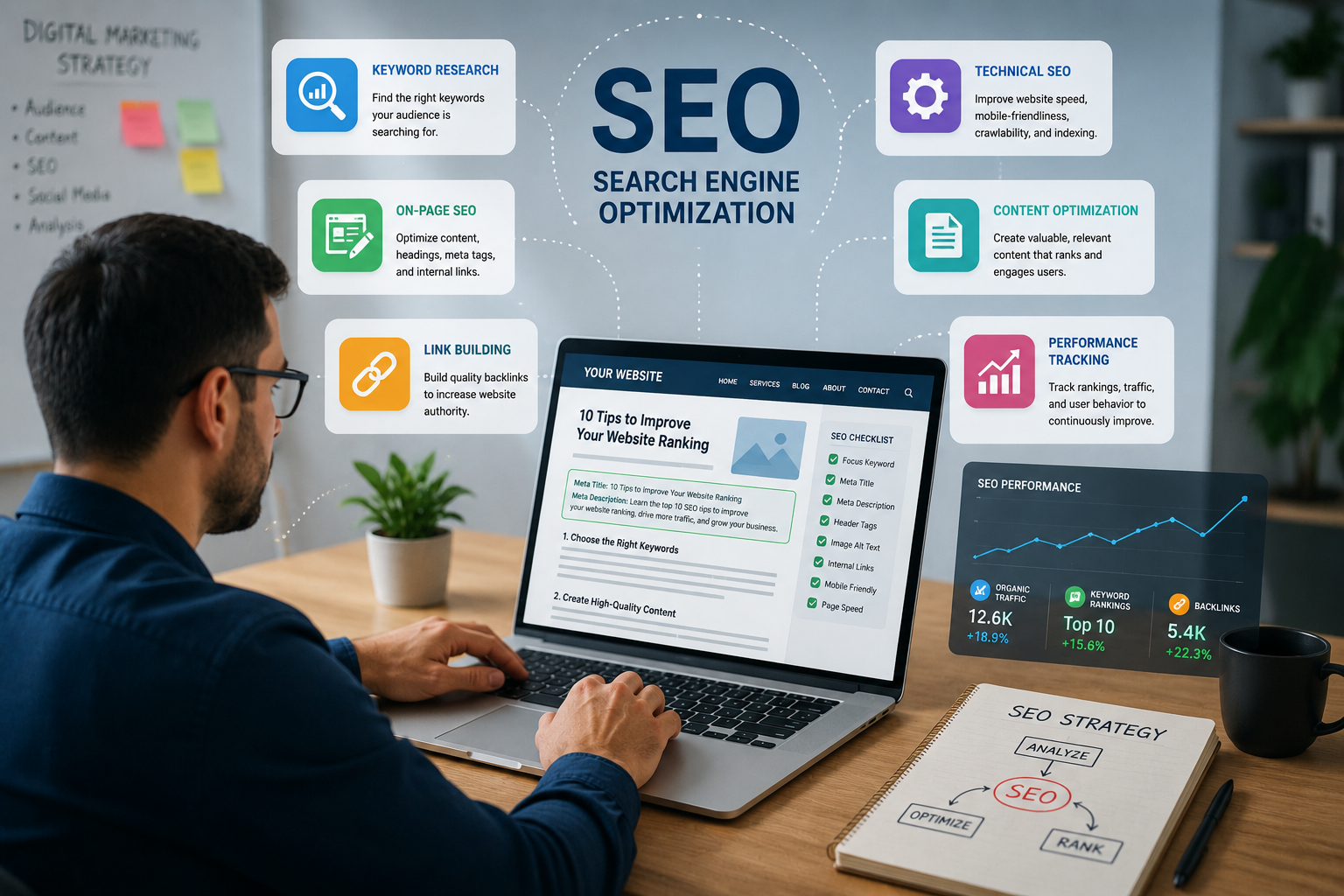
Here’s a simple roadmap we follow at ODMT to provide beginner’s SEO services to our clients:
- Understanding their target audience: Identifying the buying patterns, preferences and search queries of potential customers.
- Keyword research: Searching for relevant keywords related to your product offerings.
- Website auditing: Checking the quality of your website content, its loading speed, mobile friendliness, etc.
- Website optimization: Optimizing the existing website for on-page SEO elements.
- Creating new content: Adding relevant content to your website to capture audience interest.
- Building domain authority: Earning high-quality backlinks from relevant PR, outreach and partnership content.
- Tracking performance: Monitoring website search performance for traffic, conversion rate, ROI, etc.
- Continuous maintenance: Using performance data to improve our SEO strategy.
Final Words
Beginner’s SEO is more about understanding the changing market dynamics and restructuring your content to serve user intent. As you dive deeper into it, you must aim to enhance the overall user experience and build strong online authority.
With AI-powered answer engines and voice assistants taking over traditional search engines, traditional SEO strategies are just not enough to rank on the SERPs. Businesses now require AI-powered search engine optimization techniques to target both traditional as well as AI-driven search engines.
ODMT helps you restructure your website content according to the guidelines of Answer Engine Optimization (AEO) while keeping its original meaning and search intent. Whether you are a small startup new to the world of SEO or an MNC looking for advanced AI SEO services, our dedicated team of SEO experts is here to assist you 24/7. Connect with us today for a free quote or book an appointment now.
FAQs
-
What is the full form of SEO?
SEO stands for Search Engine Optimization. It is the process of optimizing a website’s content and technical aspects to boost its online search visibility and bring organic traffic.
-
Why do I need SEO for my website?
SEO can help attract organic traffic to your website and generate qualified leads by improving your online visibility and strengthening domain authority over the long run.
-
Is SEO free or paid?
SEO itself does not charge you anything per click from the users. However, you might have to pay SEO professionals for their SEO services. We, at ODMT, offer personalized and cost-effective AI SEO strategies, making SEO accessible even to small businesses.
-
What are different types of SEO?
SEO can be divided into the following major types— local SEO, technical SEO, on-page SEO, off-page SEO, e-commerce SEO and content SEO.
-
What are SEO keywords?
SEO keywords are phrases that you can include in your website content to target user queries on search engines. When users search for a particular keyword, search engines display a list of web pages featuring associated keywords.
-
How many keywords should I target in a page?
While there is no fixed number for that, you should focus on a single primary keyword and include its related secondary keywords in both long-tail and short-tail forms. Also, make sure to use all of these keywords naturally in the content without stuffing them.
-
How long does SEO take to show results?
Your SEO-optimized website might take anywhere between three to six months to show significant improvements. The results are largely influenced by factors such as content quality, technical SEO, website authority and market competition.
-
Should I go for SEO or paid ads?
If you are looking for organic traffic in the long run, SEO serves your purpose best. Paid advertising, on the other hand, offers paid visibility for a short period, until the campaign ends. You can use either of the two, or even both for an effective marketing strategy.
-
What is an SEO audit?
SEO audits help businesses evaluate the search performance of their website and look for any technical issues that might hinder its visibility and conversion rate across search engines.
-
Can AI replace SEO?
No, AI can never replace the need for SEO. In fact, ODMT combines the capabilities of AI with SEO to offer AI-powered search engine optimization strategies to its clients.
-
What is SEO analytics?
Performing SEO is not enough; you must measure its performance regularly to yield the best results. Website rankings are important but are not the only metrics you should care about. Also focus on organic traffic, impressions, CTR, backlinks, conversions, indexed pages, leads, engagement signals and revenue.

What is Local SEO? How to Improve Your Local Search Rankings?
Local Search plays a crucial role in local business search rankings, if you want to stay ahead of your competitors then optimize your local business listing today!
How Businesses Can Automate 70% of Their Marketing with AI
In this digital era, AI can become just anything you want. It’s like, with a wave of the wand, you can get everything, but here it only takes a voice command, which isn’t even bibbidi-bobbidi-boo. Artificial intelligence can be your chatty friend and you can use it for business in the form of AI marketing.
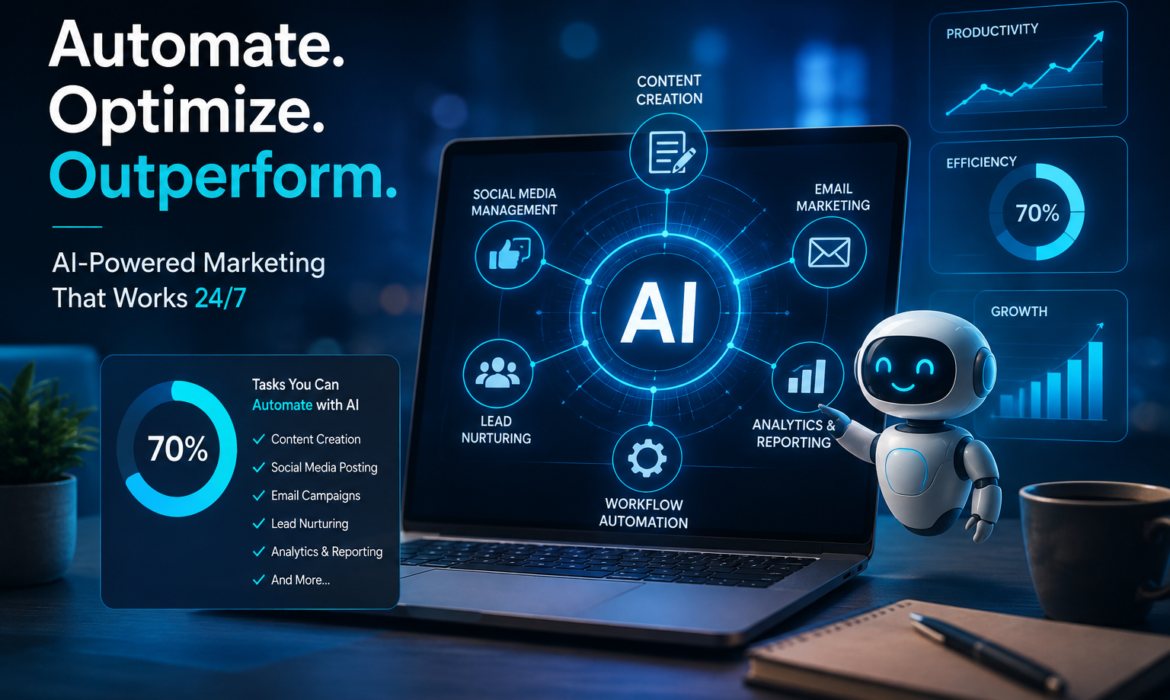
It’s indeed fascinating how B2C teams are using this platform for their practical growth. With the technological advancements, 70% of marketers expect AI to play a larger role in their business.
As more B2C marketers adopt artificial intelligence for brainstorming ideas, SEO and content creation, the platform is expected to claim a key space in the brand’s core marketing strategy. Whether you’re ready to use AI or exploring it for the first time, in this blog we will discuss everything that will help you utilize AI for 70% of your marketing strategies.
What is AI Marketing?
AI marketing refers to using artificial intelligence capabilities to plan, personalize, automate, analyze and execute marketing plans. It assists brands make improved marketing decisions using machine learning, generative AI, natural language processing, predictive analytics and data models.
AI in marketing helps businesses work smarter with visible business benefits such as increased customer satisfaction, greater productivity, better targeting and ultimately higher ROI.
What is Generative AI in Marketing?
Generative AI is a type of AI that’s capable of generating content in different formats such as audio, video, image and text. This Gen AI for B2C marketing helps in creating email variations, customer journey content, ad creatives, product descriptions, campaign copy and more.
What is AI Marketing Automation?
Automation in AI marketing is the way to automate, optimize and personalize marketing workflows across customer buying experiences. It efficiently uses customer data, predictive models and real-time behavior to decide what message to send, when to send and which channel to use.
For B2C brands, AI marketing automation is mostly useful because of the changing customer behavior. AI helps businesses react to those changes in real-time, instead of waiting for static campaign updates or manual analysis.

The Process of AI Marketing Automation
Artificial intelligence improves marketing automation through predictive, adaptive and personalized campaigns. It doesn’t only automate the repetitive tasks, but also helps businesses make better decisions across channels, content, segmentation and customer journeys.
Here are some of the biggest advantages of integrating AI in marketing automation:
- Enhanced Creativity: Generative AI for marketing uses human capabilities in ideating, brainstorming and creating marketing assets across various formats. Creative blocks are normal, but making it move despite the blocks is one of the biggest advantages of AI marketing.
- Faster and More Informed Decisions: AI is capable of sifting through large volumes of data and translating it into better insights helps businesses to make quicker and more informed marketing decisions.
- Real-Time Personalization: Customer behavior keeps changing, but AI marketing helps marketers to stay ahead of the curve with predictive insights, real-time analytics and unique optimization of campaigns.
- Comprehensive Automation: Automated processes such as posting on social media, efficient campaign management and sending timed emails can give you more time to do crucial tasks. Additionally, comprehensive workflow automation has fewer chances of making human errors.
- Increased ROI: In a 2024 report, it was stated that AI marketing campaigns have the capability of generating 20 to 30% greater return on investment compared to traditional marketing campaigns. With a strategic use of labor, money, time and data, AI can easily enhance the effectiveness of campaigns.
What are the Best Ways to Use AI Marketing?
As AI continues to evolve, its potential transcends as well. Today, AI is being used extensively by B2C companies to improve marketing automation, customer support, content creation, personalization and targeting.
Here are the types of AI Marketing use cases:
Personalization
According to a survey, 71% of consumers expect personalization, and 76% get frustrated if they don’t find it. Until recently, the meaning of personalization in marketing has changed. Customers are now asking AI platforms to get a better answer for their needs and the game has changed dramatically. Marketing and AI have brought the era of hyper-personalization, moving the tactics from a one-size-fits-all approach to highly relevant and individualized messaging.
AI can help analyze customer preferences and history to create improved and personalized content in real-time for a more engaging experience. Today, with AI-driven insights, you can tailor your communications based on how often target customers visit your app or site, which product they have shown interest in and more.
Ad Targeting
Struggling to understand buyer behavior? AI in digital marketing will help you map your target customer’s buying preferences, micro-segmentation and more. Further, AI helps brands with powerful analytics, which is useful for optimizing ongoing campaigns in real time.
Content Marketing
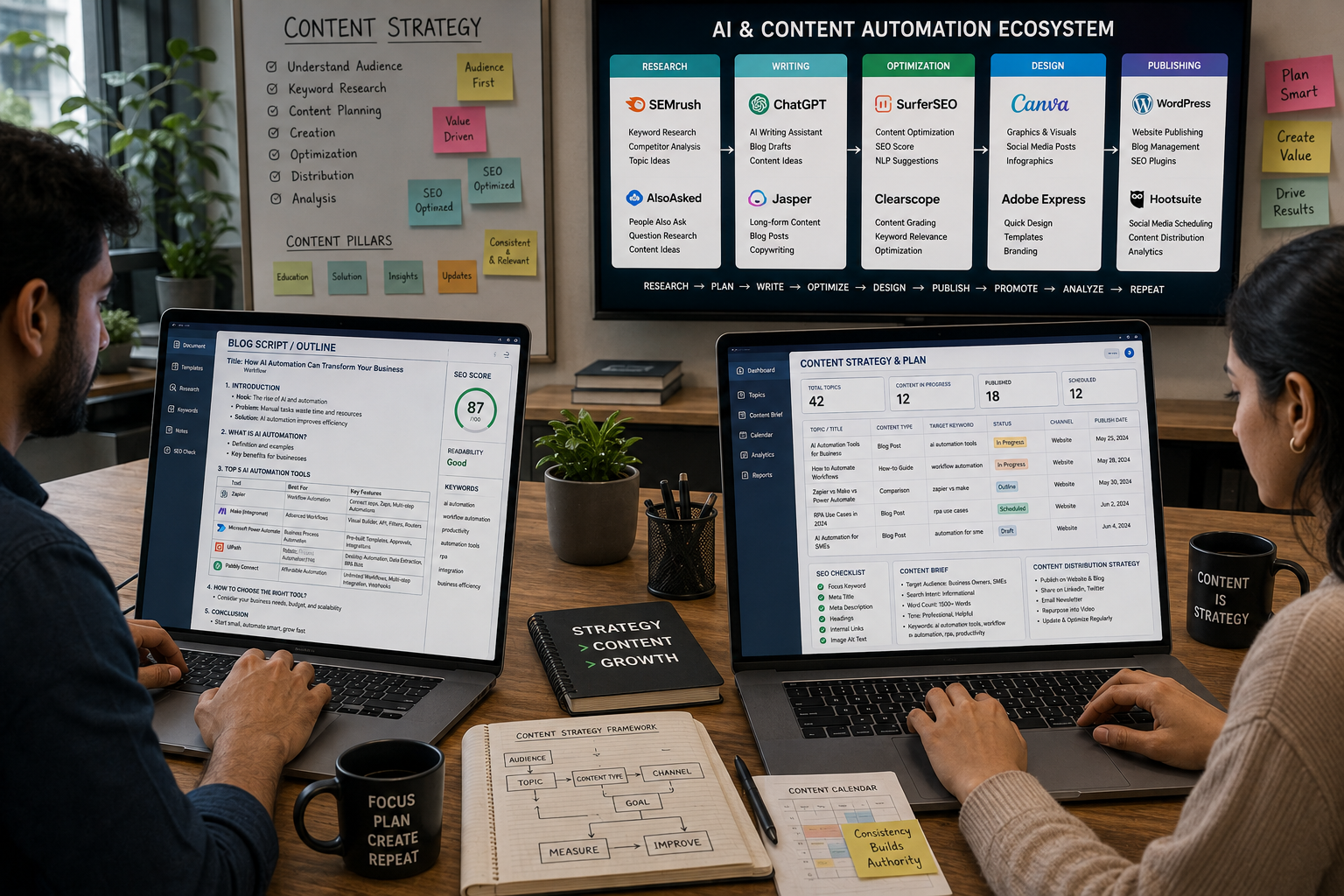
Think of creating, publishing and distributing content at the scale you need in just minutes. A 2025 report stated that 55% of businesses utilized content creation as the most popular method for B2C AI. Generative AI models are now widely used to create videos, images and text for companies — all adapted based on your brand requirements.
Product Marketing
AI marketing helps with the core aspects, such as positioning, messaging and promotions. Businesses can now develop detailed customer personas and conduct in-depth competitor analyses with AI for accuracy. Additionally, B2C companies can leverage generative AI for product marketing by creating unique and relevant content and saving time and effort.
Email Marketing
If you want your customer relationship emails to be data-driven, automated and timely and personalized, AI for email marketing can make all of these possible. Moreover, with AI-based content optimization, you can increase customer engagement through your campaigns. An email marketing automation platform with built-in AI tools equips you with everything you require for smarter AI-powered processes.
Customer Support
AI chatbots aren’t something new, but they’re always evolving. With machine learning and natural language processing, bots are becoming smarter and offering more personalized conversations with customers.
Structured Customer Journey
AI can help businesses build and optimize customer journeys across multiple channels. Instead of manual practices, marketers can use AI to recommend journey steps, adjust timing and personalize touchpoints based on real-time customer behavior. This makes AI marketing automation more adaptive than traditional work processes, where every section requires manual definitions.
Campaign Decisions and Optimization
AI can also help marketers decide the next best action for their target audiences. These include selecting the right product, channel and journey path, content and send time. For example, if a customer wants to buy something, AI can recommend the best product or offer to move them closer to conversion. This is where AI marketing is working beyond simple automation. Marketers can set goals while AI helps optimize those boundaries.
How Businesses Can Automate 70% of Their Marketing with AI in 2026
When you begin with AI marketing automation it doesn’t mean replacing your entire marketing strategy. The best approach is to start with one or two cases, test AI-assisted workflows and expand gradually as you gain confidence. Below are some of the strategies that can help you automate 70% of marketing with AI.
Enhance Content and Customer Experience
One of the key benefits of AI for B2C marketing is the automation of many customer conversations and creative tasks. With chatbots that enable human-like chats and generative AI utilizing human creativity, businesses can use automation to focus on main tasks.
Forecast Customer Behavior
Predictive AI has the power of forecasting future outcomes using machine learning and behavioral data. For example, Netflix uses predictive analytics to forecast and recommend what its customers would be interested in the next streaming. It anticipates customer needs as a winning strategy for marketers.
Begin with One Customer Journey
Instead of trying to start automation on everything, begin with one journey that already matters to your business. This could be onboarding, repeat purchase, loyalty engagement, abandoned cart recovery and reactivation.
For example, an eCommerce company might begin with abandoned cart recovery. AI can help identify who is most likely to convert, which products or services to offer, when to send the message and which channel to select. The moment you see results from one journey, you can expand AI marketing automation to other stages.
Set Goals for AI Decisions
AI marketing decisions work best when businesses set clear boundaries and goals. You might have goals like improve email engagement or increase repeat purchase. Then you can define guardrails around message frequency, discount limits, brand voice, channel preferences and more. This gives AI room to optimize while keeping the marketing team in control.
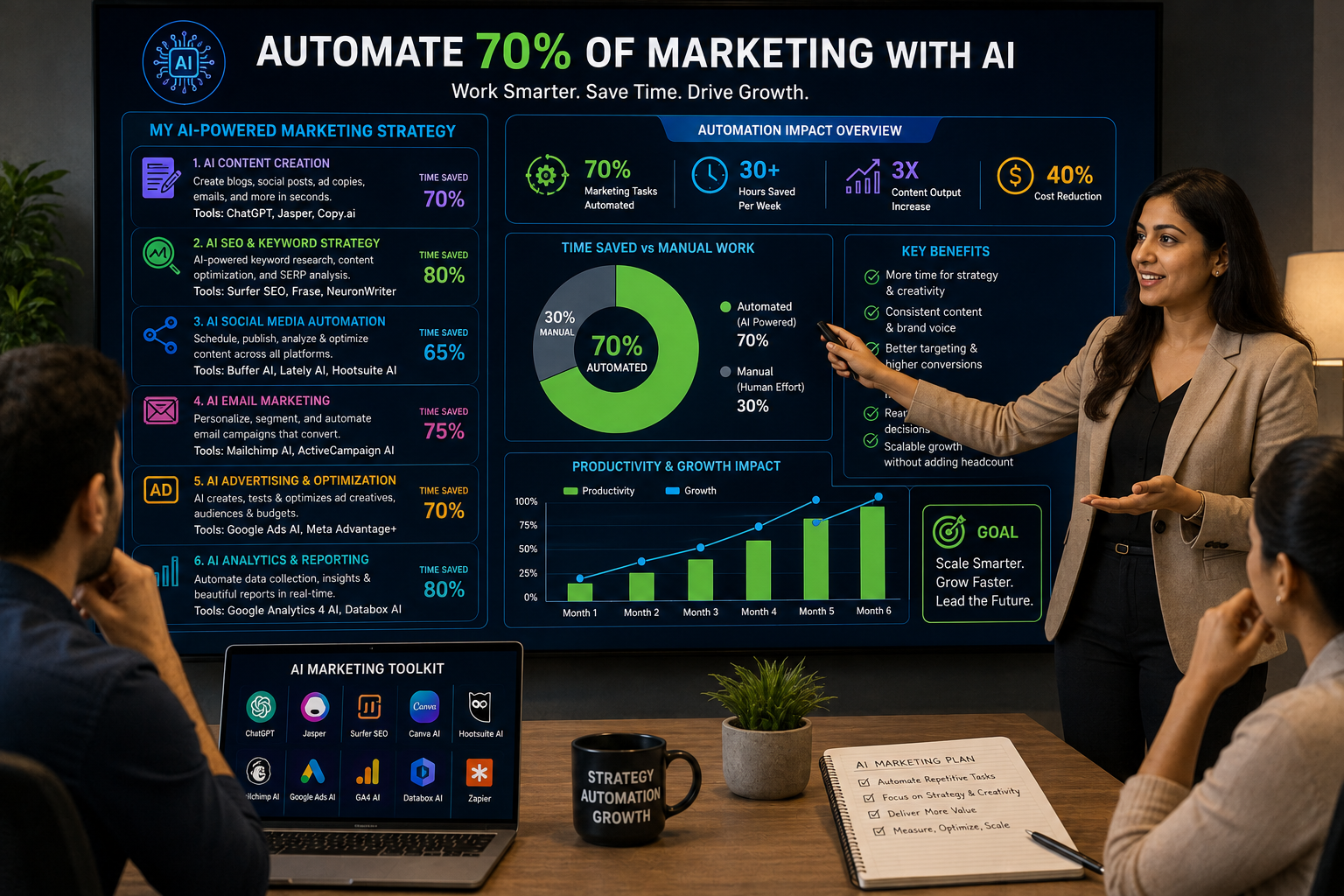
Budget Optimizations for Improved ROI
Taking care of the budget when you’re trying to engage with the right audience can be challenging. AI-driven optimizations help businesses to make instant decisions about where to redirect spending. This includes boosting platforms with real-time analysis and spending on high-performing assets.
Final Thoughts
As B2C AI marketing becomes more polished and extensively used, integrating it in your business strategy is a must when you want to stay ahead of the market competition. Using artificial intelligence in marketing can help your brand improve campaign efficiency, optimize marketing automation and personalize customer experiences.
If you’re interested in harnessing AI for your company’s marketing efforts, schedule a meeting with One Design Marketing Technologies today and elevate your digital marketing experience.
FAQ
What kind of data businesses need for AI marketing?
B2C businesses typically need customer behavioral data, profile data, campaign engagement data, purchase history, channel preference data and product interaction.
What are the 5 types of AI tools marketers use?
The 5 main types of tools marketers use are Natural Language Processing tools for text understanding, Computer Vision for visual recognition, Virtual Assistants for user support, Machine Learning for data analysis and Generative AI for content creation.
Can AI help me create better social media posts?
Yes. AI changes the game for social media marketing. Using AI tools, businesses can provide a better impact on post scheduling and content creation. It can also help you get better engagement and get more from each post.
Can AI improve the customer experience I offer through my site?
Yes. AI can significantly improve the customer experience that you offer your target audiences through increased time and personalization. With this, you can anticipate their needs early.
What’s the future of AI in digital marketing platforms?
The future of AI-powered digital marketing includes automated video content, voice search optimization and hyper-personalized ads. Businesses that are harnessing the capabilities of AI will enjoy strong competitive benefits in the marketplace.
New Trends in the Future of Digital Marketing and AI
In this era of Artificial Intelligence (AI), digital marketing is reshaping the way businesses promote themselves online. Gone are the days when SEO services were all about ranking at the top of Google search results. Today, brands are competing for visibility across AI answer engines and voice assistants for better Search Experience Optimization (SXO).
Businesses are transforming the digital marketing landscape by utilizing AI for social media, advertising, search, content creation and analytics. AI is not only allowing brands to personalize their marketing campaigns but also helping them understand the ever-evolving market dynamics. In this article, we will explore some of the most prominent trends that are going to shape the future of digital marketing in the world of AI.
Increased Use of Generative Engine Optimization (GEO)
In the evolving digital marketing landscape, brands now struggle to increase their online visibility across AI-based search engines. Generative Engine Optimization (GEO) makes brands more accessible to AI platforms, allowing them to reference and recommend their websites in AI-generated responses to user queries. For instance, applying ChatGPT optimization to your content can increase its chances of being referenced by ChatGPT.
To make their website GEO-friendly, businesses must work towards creating strong brand authority, developing meaningful content, ensuring consistent brand messaging across platforms and publishing reliable information only. GEO-optimized websites will focus on useful content rather than producing more content.
Answer Engine Optimization (AEO) On The Rise
Nowadays, users search for quick & direct answers to their queries, and Answer Engine Optimization (AEO) provides them just that. AEO structures website content for AI answer engines to understand and recognize it while enhancing the search generative experience.
AEO ensures that your content fulfills user intent. This is done by dividing the content into clear, logical headings, including real-life examples and FAQ sections and adding factual data for better explanation. AEO-optimized content is prioritized not only by AI platforms but also by search engines and voice assistants.
Switch to Data-Driven Influencer Marketing
Thanks to AI, brands can now look into influencer marketing with a broader perspective. While earlier it was more about the follower count, now businesses can actually evaluate the true potential of an influencer by analyzing their audience, content quality, engagement rate and conversion rate.
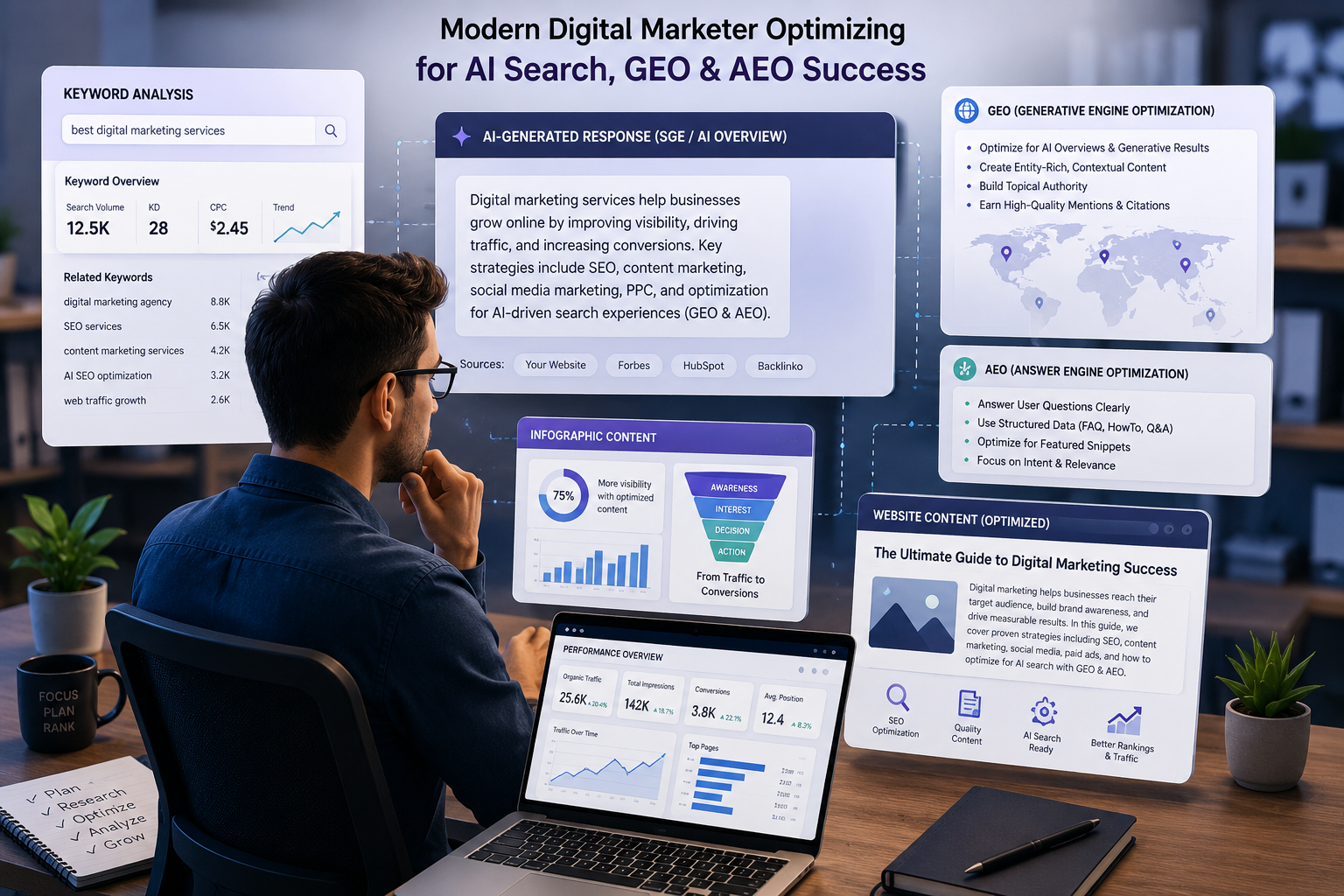
And that’s not it; AI can even help you find niche-based content creators based on your stated requirements. It can also help you generate content to connect with these influencers through personalized messages.
AI is also giving micro-creators a platform to secure successful brand collaborations by providing access to their dedicated communities. So, with AI shortlisting candidates for your influencer checklist, all you need to do is focus on creating authentic storytelling and building long-term partnerships.
Adoption of AI-Generated Business Strategies
Brands should not use AI to decide on a business strategy. But AI can definitely help businesses generate, implement and monitor such strategies. This is because brands use large volumes of datasets to study marketing trends and AI can instantly derive meaningful patterns from these complex datasets.
Similarly, brands can leverage AI to summarize campaigns, performance reports, etc. and generate useful insights while suggesting possible courses of action. Now, adopting the right action plan and verifying relevant business information should be the responsibility of humans.
Conducting AI-Driven Social Media Marketing
Social media is growing in influence and not just in size. The most popular social media platforms, such as Instagram, Facebook, X, Pinterest and YouTube, generate high volumes of content every day. You can use AI to study every piece of content, make recommendations and draw insights from it. AI can also identify changing user behaviour, content performance and engagement rates in real time, helping brands transform their social media strategies.
One thing to note here is that social media users still value a human touch in content creation. So, brands still need to focus on including real-world experiences and customer stories in captions and video content to capture and retain public interest.
Use of Virtual Reality (VR) & Augmented Reality (AR)
Digital marketing focuses on promoting products and services to the world in a visually exciting manner to grab maximum customer attention. But guess what? Modern-day AI technologies, such as AR and VR, can help brands showcase their offerings in a more interactive and immersive way.
Want to help your potential customers make a better choice? Use AR to create immersive previews of your products, which are especially suitable for the brands in beauty, clothing and real estate sectors. Apart from this, you can utilize AR & VR technologies to conduct virtual events or demonstrations and create brand campaigns and 3D product designs. Now, that sounds like a plan!
Experiment With AI-Powered Paid Advertising
Paid digital advertising can generate traffic. So, why not integrate AI to this system and double your profits while increasing your online presence? In the future, brands could use AI to develop paid campaigns for the right audience without wasting time and resources on testing the waters.
AI can make it possible to automate bidding and budget allocation, generate ad variations, carry out performance analysis in real time and identify the right target audience for your brand. Running AI-powered paid ads along with executing an AI SEO strategy can make your digital marketing campaign more effective.
Enter the Era of Real-Time Marketing
With AI comes the ability to track and monitor emerging trends as they go live. AI can not only identify the pulse of the market but can also suggest how to respond to it faster. That’s the whole idea behind real-time marketing. It can help brands study dynamically changing business environments, shifting customer preferences and evolving competitor strategies.
In turn, businesses can utilize AI SEO services to produce automated alerts, generate customer insights in real time, make content modifications, perform campaign optimization and create dynamic ads. And all this can be done while aligning with the brand’s goals and identity.
Automation of Digital Marketing Services
When we say automation of marketing activities, we do not imply automating repetitive tasks. Rather, we focus on developing and utilizing AI tools that monitor customer preferences and respond to them by initiating an action, such as sending an email or answering a user query.

Hence, AI-powered digital marketing automation can help brands with lead conversion, audience segmentation, ad optimization, email campaigns and other activities. This is not only time-saving but also budget-friendly for smaller businesses.
Use Perfect Blend of AI & Human Creativity
If you wish to achieve success in this new age of AI technology, you cannot entirely rely on AI. You need a smart combination of AI skills and human creativity to break free from traditional marketing. Stop automating the entire process. Instead, you can focus on utilizing AI to make your existing process faster, smarter and more accurate.
You can use AI to perform competitor analysis, predict audience behaviour, generate reports and ideas. But you should still use human judgement to make strategic and ethical judgments about which ideas hold potential. This is because only humans can impart creativity, cultural context and emotional significance to any brand. That’s how we see the future of AI-powered search engine optimization and digital marketing.
Ending Note
Undoubtedly, the future holds immense potential for AI to transform over existing business activities. Nonetheless, humans still need to work towards developing creative strategies to fully leverage the capabilities of AI. Every SEO company needs to combine traditional SEO practices with AI capabilities to develop their digital marketing strategy.
One Design Marketing Technologies (ODMT) makes digital marketing smarter while keeping it budget-friendly for our clients by combining SEO with AI. Do you also want to increase your brand visibility online and attract organic traffic without relying on paid marketing strategies? If yes, then ODMT is your go-to SEO solution. Connect with us today.